
Ankle surgery patient reviews Seoul: how to read them
Searching for ankle surgery patient reviews in Seoul can help you understand what other people chose to share about their care. Reviews may describe practical details such as how clearly a diagnosis was explained or what a patient found helpful during recovery. They are personal accounts, however, and do not establish how another person will respond to treatment. At Seoul Gunwoo Orthopedic Surgery Clinic, foot and ankle care includes assessment and surgical care for conditions such as ankle ligament injuries, fractures, cartilage problems, and Achilles tendon injuries. Use feedback as a starting point for questions, not as a substitute for an individual medical assessment.
Separate personal experience from clinical information
A patient review reflects one person’s circumstances, expectations, and recollection. It may be useful for understanding communication or the general sequence of care, but it cannot confirm whether a procedure is appropriate for your diagnosis. Look for details that help you prepare questions, rather than treating an individual account as a promise of results. Your symptoms, examination findings, and treatment plan need to be considered on their own.
When reading feedback, note whether the person describes the condition and treatment clearly. A review about ligament repair may not be relevant to someone being assessed for ankle arthritis or an Achilles tendon injury. Even when the procedure sounds similar, the person’s health, injury pattern, and recovery needs may differ. Consider whether comments concern communication, preparation, inpatient care, or rehabilitation, and keep those subjects separate from claims about clinical outcomes. Specific, clearly described experiences are easier to use as prompts for discussion, but they remain personal accounts rather than medical evidence. If a review leaves you uncertain, write down the question it raises and discuss it with the medical staff.
Reviews are most useful when they help you ask clearer questions about your own care. They should not be used to predict your result or choose a procedure without an individual assessment.
Match feedback to the condition being treated
Ankle procedures address different problems, so the diagnosis matters when comparing experiences. Published surgical care at Seoul Gunwoo Orthopedic Surgery Clinic includes ankle ligament repair and reconstruction, Achilles tendon repair, ankle cartilage and arthritis procedures, and fracture surgery. A comment about one of these treatments may not describe the experience of someone undergoing another. Check what condition and procedure the account actually discusses before using it to shape your expectations.
It can also help to distinguish surgery-related feedback from comments about non-surgical care. The clinic’s foot and ankle services include assessment, stretching, and shockwave therapy for heel pain and plantar fasciitis, as well as discussion of persistent symptoms. Those services are not the same as ankle surgery, and a review about heel pain care may not answer questions about an operation or its rehabilitation. Bunion care is another part of the clinic’s published focus, but it involves a different concern from ankle ligament or Achilles tendon treatment. Compare like with like: identify the condition, the proposed treatment, and the stage of recovery described. Then ask the medical staff which parts of that account are relevant to your own assessment.
Procedure-specific context helps prevent misleading comparisons. An account about one foot or ankle condition may offer little guidance about another, even if both involve the same area of the body.
Turn reviews into practical questions
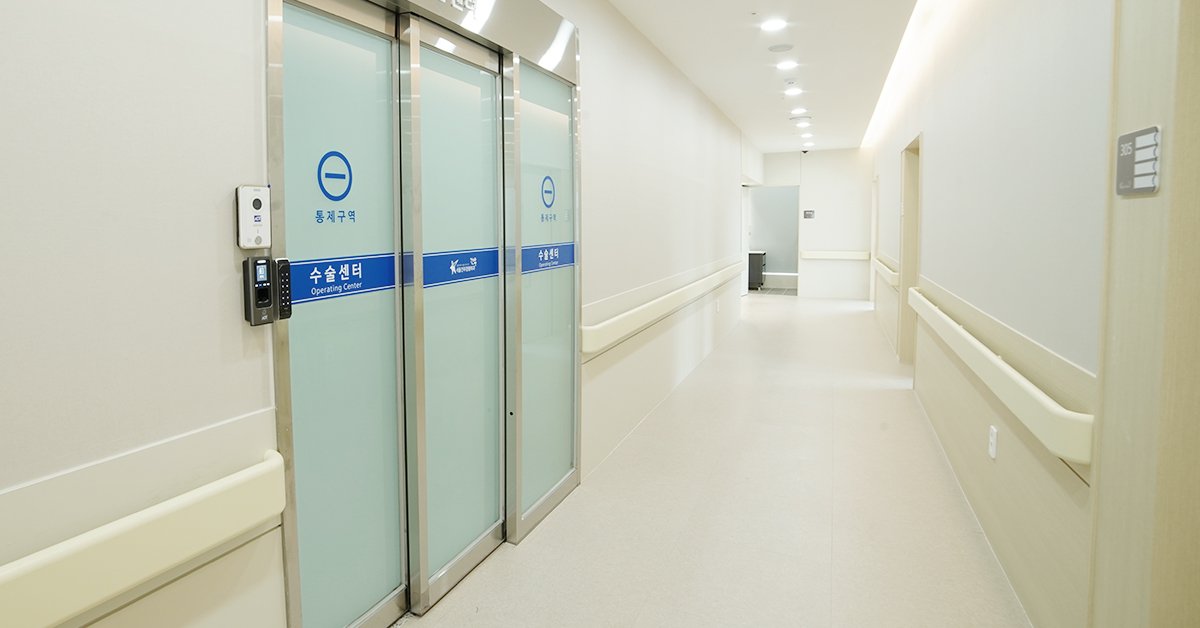
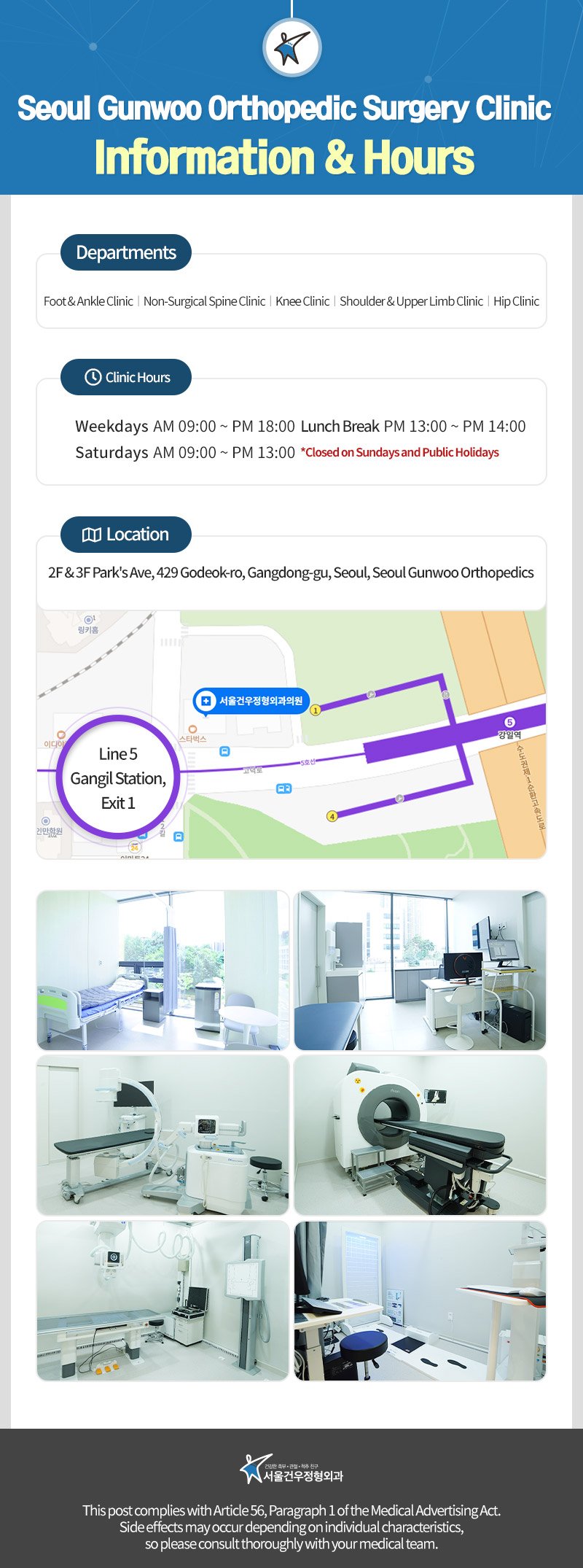
Rather than asking whether a review proves that a clinic is right for you, use it to identify topics that deserve a direct answer. You might ask how the diagnosis is assessed, what treatment options are considered, and what rehabilitation involves. Seoul Gunwoo Orthopedic Surgery Clinic has operating rooms, inpatient rooms, CT, ultrasound, gait analysis, and rehabilitation in one building. Ask how these resources relate to the care being considered in your case.
Keep questions focused on your own circumstances. If feedback mentions discomfort, mobility, or follow-up, ask what to expect for your diagnosis and planned treatment rather than assuming that the same experience will apply to you. For ankle injuries, useful topics may include the purpose of the proposed procedure, what recovery may involve, and how progress is assessed. For persistent heel pain, ask about assessment and non-surgical options as well as whether further treatment should be considered. A clear consultation should connect your symptoms and examination findings with the recommended plan. Bring a concise account of your symptoms and any questions prompted by your reading. This makes online research more practical without letting anonymous experiences stand in for medical advice.
Ankle surgery patient reviews Seoul: questions about care
Reviews often focus on what patients noticed during consultations and treatment, but the details that matter most are the ones tied to your care plan. At Seoul Gunwoo Orthopedic Surgery Clinic, the published focus includes foot and ankle conditions such as bunions, ankle ligament injuries, Achilles tendon problems, fractures, cartilage conditions, and ankle arthritis. Ask how your condition is assessed and which options are relevant to it. A useful discussion should address your particular diagnosis rather than rely on generalized expectations from other patients.
Ask how the diagnosis guides treatment
Before considering surgery, understand what condition is being treated and why a particular approach is being discussed. Ankle pain may have different causes, and the appropriate evaluation depends on the clinical picture. Seoul Gunwoo Orthopedic Surgery Clinic provides foot and ankle-focused orthopedic care and has CT, ultrasound, and gait analysis available in the building. Ask whether any assessment tools are relevant to your case and how their findings inform the treatment discussion.
Patient stories can prompt questions, but they cannot establish what your imaging or examination means. Ask the medical staff to explain the diagnosis in plain language, the purpose of any proposed procedure, and whether non-surgical care is also being considered. For heel pain and plantar fasciitis, the clinic describes assessment, stretching, shockwave therapy, and discussion of persistent symptoms. That information may be useful if your concern is heel pain, but it does not imply that every patient needs the same care. For an ankle ligament injury, a fracture, or an Achilles tendon problem, ask about the treatment options relevant to that specific condition. Understanding the reasoning behind a plan is more useful than trying to match your case to a review.
Good questions begin with the diagnosis and the reason for the proposed treatment. Ask how the assessment applies to you, rather than assuming a reviewer’s experience provides the answer.
Discuss the people and setting involved in care
It is reasonable to ask who will discuss your case and how the clinic’s facilities support the care being considered. Seoul Gunwoo Orthopedic Surgery Clinic lists Dr. Choi Hong Joon and Dr. Min Kyong Dae in its professional information. Its facilities include operating rooms, inpatient rooms, CT, ultrasound, gait analysis, and rehabilitation in one building. Ask which staff members will be involved in your assessment and follow-up.
The clinic’s published professional information describes Dr. Choi Hong Joon as having a background in foot and ankle medicine, clinical practice, and research, with a PhD in Medicine from Korea University and fellowship experience at Seoul Foot Center, Inje University Seoul Paik Hospital. It also notes his former visiting professorship at the Foot & Ankle Center at Massachusetts General Hospital. Dr. Min Kyong Dae is listed as an orthopedic specialist, with arthroscopy and sports-medicine training, research experience at Severance Hospital, an adjunct professorship at Yonsei University, and a fellowship at Stanford University Sports Center. Ask which clinician will assess your condition and explain the proposed plan. The facility list can guide practical questions about assessment and rehabilitation, but the relevance of each resource depends on your needs.
Knowing who will assess you and how care is organized can make a consultation more informed. Ask directly which clinician will be involved and how the clinic’s facilities relate to your treatment plan.
Clarify recovery and follow-up expectations
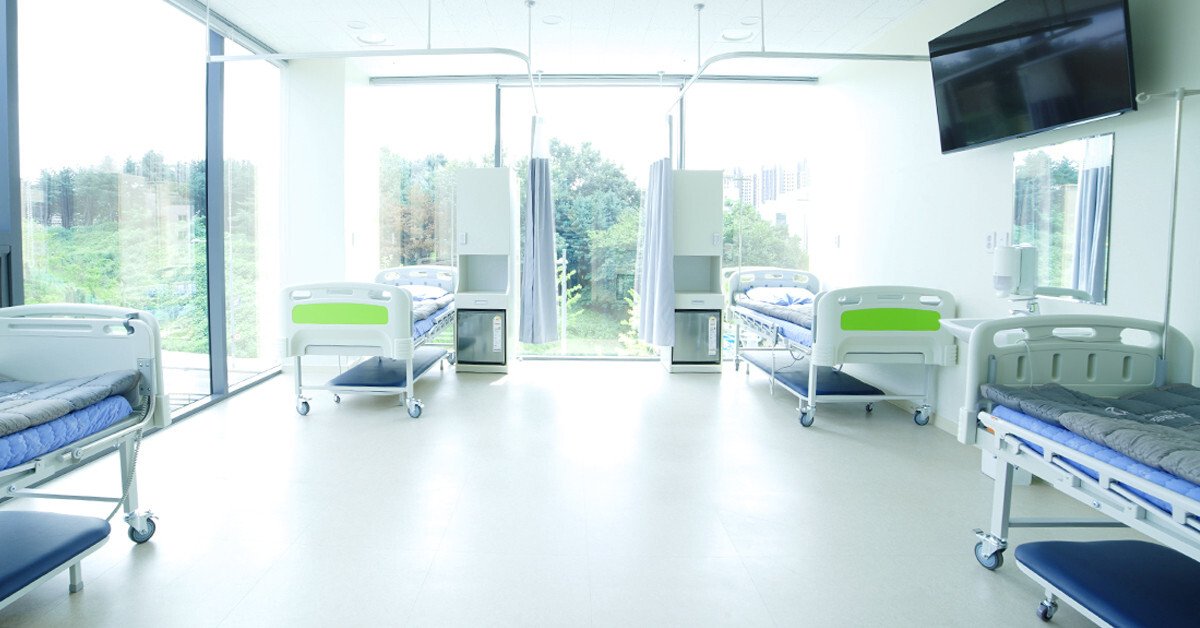
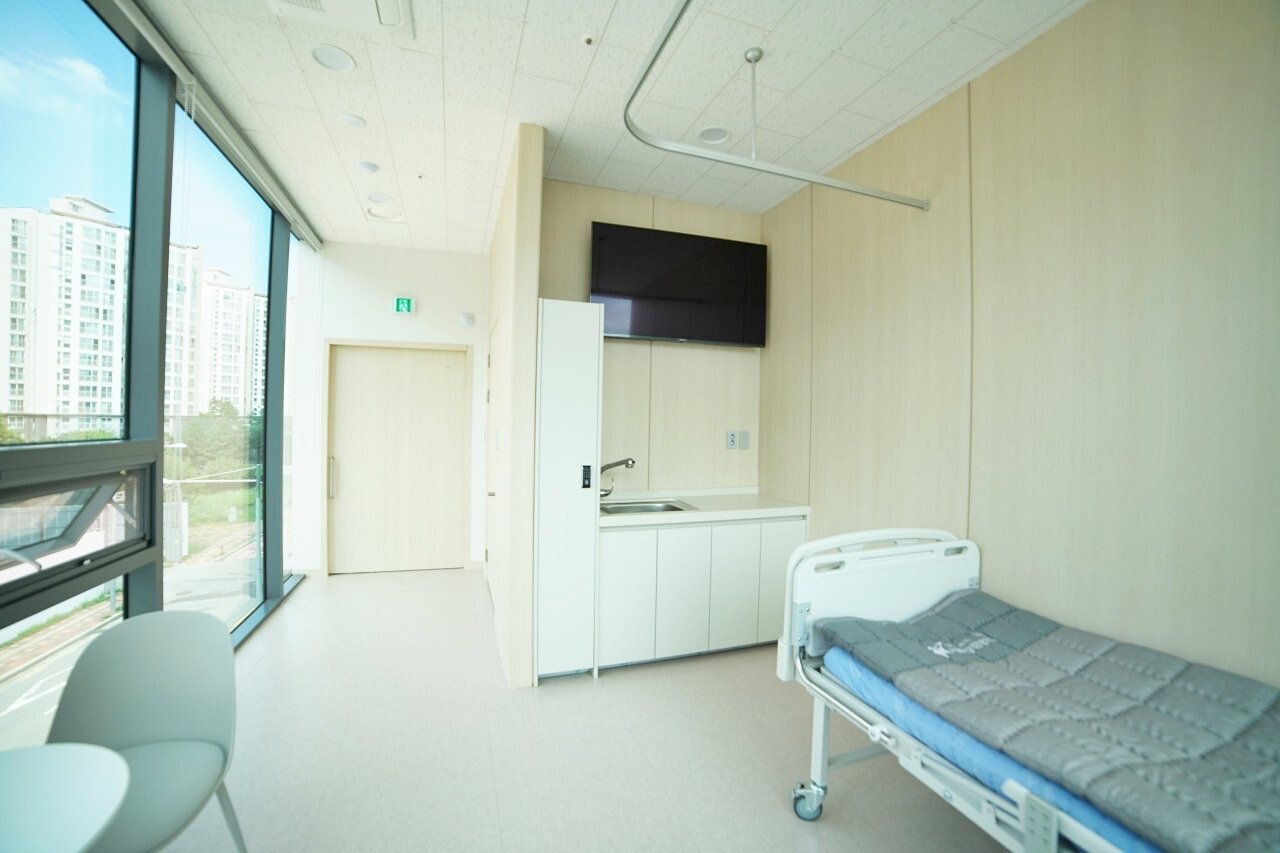
Recovery depends on the condition, procedure, and individual circumstances, so online accounts should not be treated as a schedule for your own return to activity. Ask what follow-up and rehabilitation may involve, and how to raise concerns during recovery. Seoul Gunwoo Orthopedic Surgery Clinic has inpatient rooms and rehabilitation in the same building. The medical staff can explain which parts of that care are appropriate to your case.
When a review describes the time it took to resume daily activities, remember that another person’s timeline may not apply to you. Ask what factors may affect recovery after your proposed procedure and what guidance you should follow as healing progresses. If rehabilitation is part of the plan, ask how it will be coordinated and how progress will be reviewed. It is also useful to understand what symptoms should prompt you to contact the clinic and how follow-up is arranged. Changes may take time depending on individual condition, so use your care team’s instructions rather than a review as your guide. These questions help turn general online reading into a conversation about practical next steps.
Ankle surgery patient reviews Seoul: preparing for a visit
Online research can help you arrive with more focused questions, but a consultation is where your symptoms and treatment options can be discussed in context. Seoul Gunwoo Orthopedic Surgery Clinic is an orthopedic clinic in Gangdong-gu, Seoul, with a published focus on foot and ankle care. Before visiting, note what symptoms concern you, when they began, and what affects them. Bring questions about assessment, treatment, rehabilitation, and follow-up so the discussion stays relevant to your needs.
Organize your concerns before consultation
Write down your main symptoms and the questions you want answered. If a review raises a concern, describe the topic rather than assuming the same event will occur in your case. For example, ask how the clinic assesses your condition or what rehabilitation may involve. The clinic’s services cover several foot and ankle concerns, so naming your symptoms helps keep the conversation specific.
It may be useful to organize questions into a few themes: diagnosis, treatment choices, expected care after treatment, and follow-up. If you have persistent heel pain, you can ask about assessment, stretching, shockwave therapy, and how persistent symptoms are discussed. If your concern is an ankle ligament injury, Achilles tendon problem, fracture, cartilage condition, arthritis, or bunion, ask about the options relevant to that condition. Do not assume that a treatment mentioned in an online account is suitable for you. The medical staff can explain how your examination relates to the proposed plan. A short, organized list makes it easier to cover the details that matter to you while keeping your decisions grounded in your own assessment.
Preparation helps make a consultation more focused. Bring your symptoms and questions, then use the discussion to understand which information applies to your individual condition.
Know where and when to seek care
Seoul Gunwoo Orthopedic Surgery Clinic is located at 2F-3F, 429, Godeok-ro, Gangdong-gu, Seoul, Republic of Korea, near Gangil Station, Exit 1. Consultation hours are Monday through Friday from 09:00 to 18:00, with a weekday lunch break from 13:00 to 14:00, and Saturday from 09:00 to 13:00. The clinic is closed on Sundays and public holidays.
Planning around consultation hours can make it easier to arrange a visit and allow time to discuss your concerns. The listed hours use Korea Standard Time. If you are comparing patient accounts before booking, keep practical details separate from clinical judgments: location and opening hours help with planning, while an assessment is needed to discuss your symptoms and treatment options. Call Seoul Gunwoo Orthopedic Surgery Clinic at 02-426-9876 for consultation or booking questions. Confirm the visit details before setting out, especially if your schedule depends on weekday lunch hours or a Saturday appointment. For medical questions, prepare the details of your condition so they can be addressed during consultation.
Use the clinic’s location and hours to plan a visit, and bring your questions for a direct discussion. Practical details can help with scheduling, while treatment decisions require an individual assessment.
Use feedback responsibly when making a decision
Reviews can describe an individual’s experience, but they cannot verify that a procedure is right for another person or guarantee an outcome. Consider whether an account relates to the same condition and type of care, and note where it leaves questions unanswered. Then discuss those questions with the medical staff at Seoul Gunwoo Orthopedic Surgery Clinic.
For a balanced decision, compare your own consultation information with the questions raised by reviews. Make sure you understand the diagnosis, the reason for the proposed approach, and what care after treatment may involve. The clinic’s published services include surgical care for bunions, ankle ligament injuries, Achilles tendon injuries, ankle cartilage, ankle arthritis, and fractures, alongside services for heel pain and plantar fasciitis. Those categories help frame a conversation; they do not determine which option is appropriate for you. Use reviews as context, clinical discussion as guidance, and your own needs as the basis for questions. This approach keeps online feedback in perspective while helping you prepare for a more informed consultation.

Frequently Asked Questions
Q.What kind of clinic is Seoul Gunwoo Orthopedic Surgery Clinic?
A.Seoul Gunwoo Orthopedic Surgery Clinic is an orthopedic clinic in Gangdong-gu, Seoul, with a foot and ankle-focused range of care. Its published services include care for bunions, ankle ligament injuries, Achilles tendon problems, fractures, ankle cartilage, and ankle arthritis.
Q.Who may consider a consultation at Seoul Gunwoo Orthopedic Surgery Clinic?
A.People seeking assessment or care for foot and ankle concerns, including ankle ligament injuries, Achilles tendon problems, heel pain, plantar fasciitis, bunions, fractures, cartilage conditions, or ankle arthritis, may discuss their symptoms with the medical staff.
Q.What treatments and services does Seoul Gunwoo Orthopedic Surgery Clinic offer?
A.The clinic’s published care includes bunion care, ankle ligament repair and reconstruction, Achilles tendon repair, ankle cartilage and arthritis procedures, and fracture surgery. For heel pain and plantar fasciitis, services include assessment, stretching, shockwave therapy, and discussion of persistent symptoms.
Q.What should I prepare before a visit to Seoul Gunwoo Orthopedic Surgery Clinic?
A.Write down your symptoms, when they began, and the questions you want answered about assessment, treatment, rehabilitation, and follow-up. Consultation hours are Monday through Friday from 09:00 to 18:00, with a weekday lunch break from 13:00 to 14:00, and Saturday from 09:00 to 13:00.
Q.Where is Seoul Gunwoo Orthopedic Surgery Clinic, and how can I contact it?
A.Seoul Gunwoo Orthopedic Surgery Clinic is at 2F-3F, 429, Godeok-ro, Gangdong-gu, Seoul, Republic of Korea, near Gangil Station, Exit 1. Call 02-426-9876 for consultation or booking questions.
Clinic Information
| Clinic | Seoul Gunwoo Orthopedic Surgery Clinic |
|---|---|
| Specialty | Orthopedics |
| Address | 2F-3F, 429, Godeok-ro, Gangdong-gu, Seoul, Republic of Korea |
| Phone | 02-426-9876 |
| Website | https://seoulfoot.sillajewelry.com |
| Specialist | Specialist care |
 Seoul Gunwoo Orthopedic Surgery Clinic