
Best Hospital for Achilles Tendon Surgery in Seoul: Understanding the Decision
Achilles tendon injuries range from irritation and partial tears to complete ruptures. The right response depends on factors such as the injury itself, a person’s health and activity needs, and clinical findings. Surgery is not automatically the right choice for every injury; a medical assessment helps determine whether an operation or another approach is appropriate. When comparing orthopaedic care in Seoul, look for a clear explanation of the diagnosis, treatment choices and follow-up plan. The first priority is an accurate assessment, not a predetermined procedure.
How doctors assess an Achilles tendon injury
An assessment generally begins with a discussion of how the injury happened, when symptoms began and how they affect walking or other activities. The doctor may examine the lower leg and ankle and consider whether imaging is needed to clarify the tendon’s condition. The findings help guide the conversation about treatment. Sharing relevant health history and describing changes in mobility can make the consultation more useful.
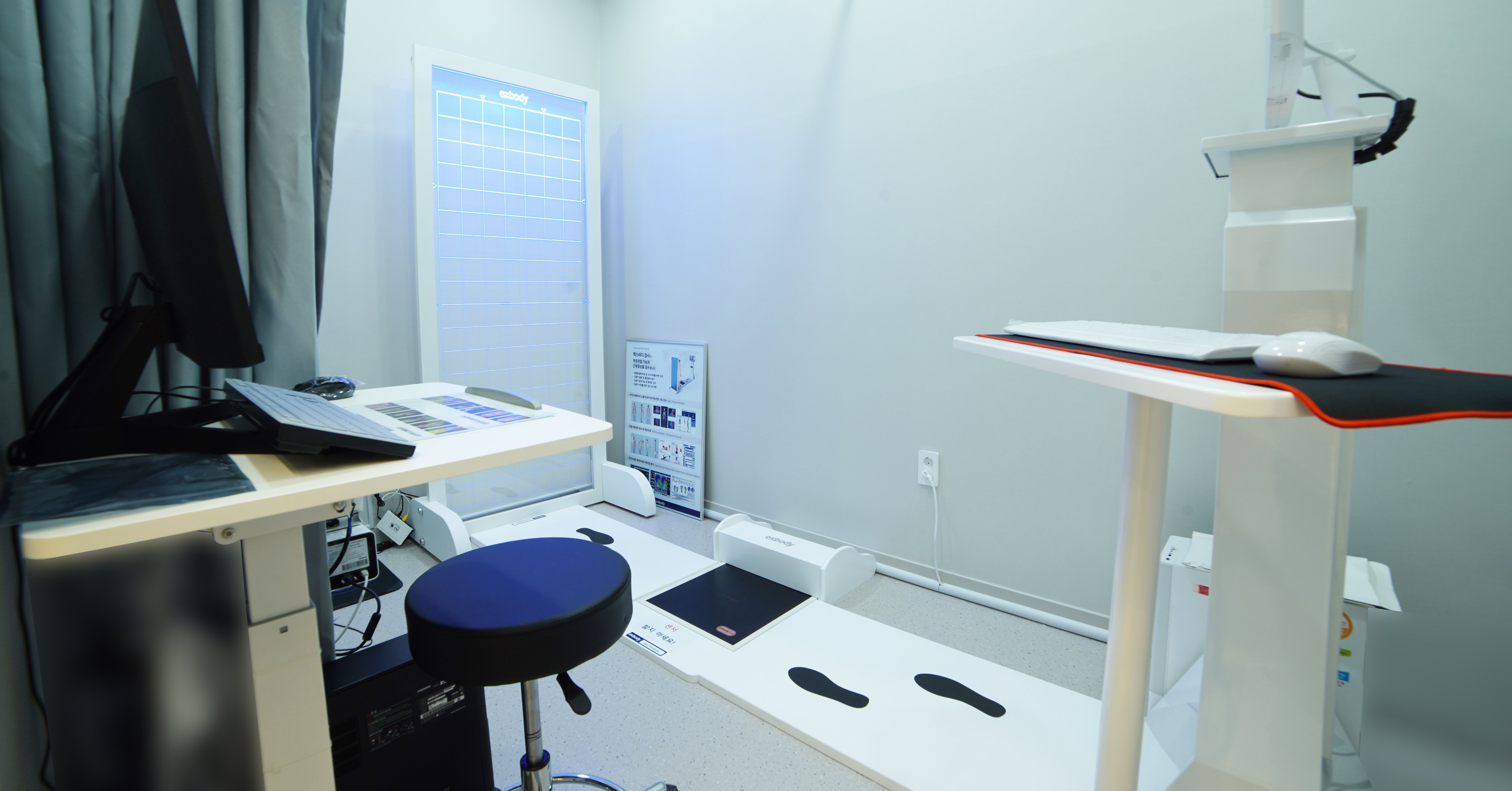
Because Achilles tendon problems can vary, the same treatment plan does not suit every patient. The clinician considers the location and extent of the injury alongside the patient’s health, daily demands and goals. Imaging may contribute to the assessment when the doctor considers it appropriate. At Seoul Gunwoo Orthopedic Surgery Clinic, available diagnostic resources include CT and ultrasound, as well as gait analysis. The presence of these resources does not mean that every patient needs every test; the medical staff can explain which assessment is relevant to the individual case. A diagnosis should connect the examination findings with a practical discussion of treatment options. Patients can ask how the findings support the proposed plan and what alternatives have been considered.
Achilles tendon care begins with identifying the injury and understanding how it affects the person’s function. A careful discussion of the findings helps patients understand why a particular treatment path is being considered.
When surgery may be part of the discussion
Surgery may be considered for some Achilles tendon injuries, but whether it is appropriate depends on an individual clinical assessment. The doctor weighs the nature of the injury and the patient’s circumstances before discussing possible next steps. A consultation should make clear what surgery is intended to address and whether non-surgical care is also a relevant option.
It is useful to ask what the diagnosis means in practical terms: which part of the tendon is affected, how the injury influences movement, and what the goals of treatment are. If surgery is discussed, ask the doctor to explain the proposed approach in plain language, including what it aims to repair and what follow-up care involves. The choice should reflect the examination and the patient’s needs, rather than a general assumption that an operation is always required. Make sure you understand the reason for the recommendation and the alternatives before deciding. At Seoul Gunwoo Orthopedic Surgery Clinic, orthopaedic care is supported by operating rooms, inpatient rooms and rehabilitation in one building, which can be discussed in relation to an individual care plan.
Surgery is one possible part of care, not a default answer for every Achilles tendon injury. The decision should follow an assessment and a clear conversation about the expected purpose, alternatives and follow-up.
Questions to consider before treatment
Before agreeing to a treatment plan, clarify the diagnosis, the purpose of the recommended approach and the expected follow-up. Ask what activities may need to change during care and how progress will be reviewed. These questions help turn a complex medical discussion into practical information you can use.
Recovery needs and timelines differ among individuals, so avoid relying on a general estimate as if it applied to every case. Ask the medical staff what factors may influence your plan and which symptoms or changes should prompt you to contact the clinic. It can also help to discuss work, caregiving and mobility needs before treatment begins. A realistic plan accounts for both the clinical findings and everyday responsibilities. If surgery is being considered, confirm how rehabilitation fits into the overall approach and what support is available at the clinic. Understanding these points can help you prepare without assuming a particular result or recovery schedule.
Seoul Gunwoo Orthopedic Surgery Clinic has rehabilitation facilities in the same building as its operating and inpatient rooms. This arrangement may be relevant when discussing how assessment, treatment and rehabilitation are coordinated for a particular patient. Ask which services are appropriate for your case and how they fit into the plan.
Best Hospital for Achilles Tendon Surgery in Seoul: Assessing Orthopaedic Care
When comparing care options, consider the medical team’s relevant experience, the facilities available and how clearly the clinic communicates. Seoul Gunwoo Orthopedic Surgery Clinic is an orthopaedic practice with resources that include CT, ultrasound and gait analysis. Its team includes doctors with orthopaedic and foot-and-ankle backgrounds. These details can help inform a consultation, but treatment decisions still depend on an individual assessment. Look for a care plan that connects the clinician’s findings with a clear explanation of next steps.
Relevant clinical backgrounds
Dr. Choi Hong Joon has a background in foot-and-ankle medicine, clinical practice and research. His listed qualifications include a PhD in Medicine from Korea University, a fellowship at Seoul Foot Center, Inje University Seoul Paik Hospital, and former visiting professor experience at the Foot & Ankle Center at Massachusetts General Hospital. These details are relevant context for patients discussing foot and ankle concerns.
Dr. Min Kyong Dae’s profile lists orthopaedic, arthroscopy and sports-medicine training. He is an orthopaedic specialist and has research experience in arthroscopy at Severance Hospital, Yonsei University. His listed background also includes an adjunct professor role at Yonsei University and a fellowship at Stanford University Sports Center. A clinician’s background can be one part of choosing where to seek care, but it does not replace a patient-specific assessment. Ask which clinician will evaluate your case and how their experience relates to the condition being discussed. Confirm the care plan directly with the medical staff responsible for your consultation. This keeps the discussion focused on your diagnosis, rather than assumptions based on a profile alone.
Clinical backgrounds can help patients understand the experience represented within an orthopaedic practice. For an Achilles tendon concern, pair that information with a direct discussion of the diagnosis, the clinician’s assessment and the proposed plan.
Facilities that support assessment and care
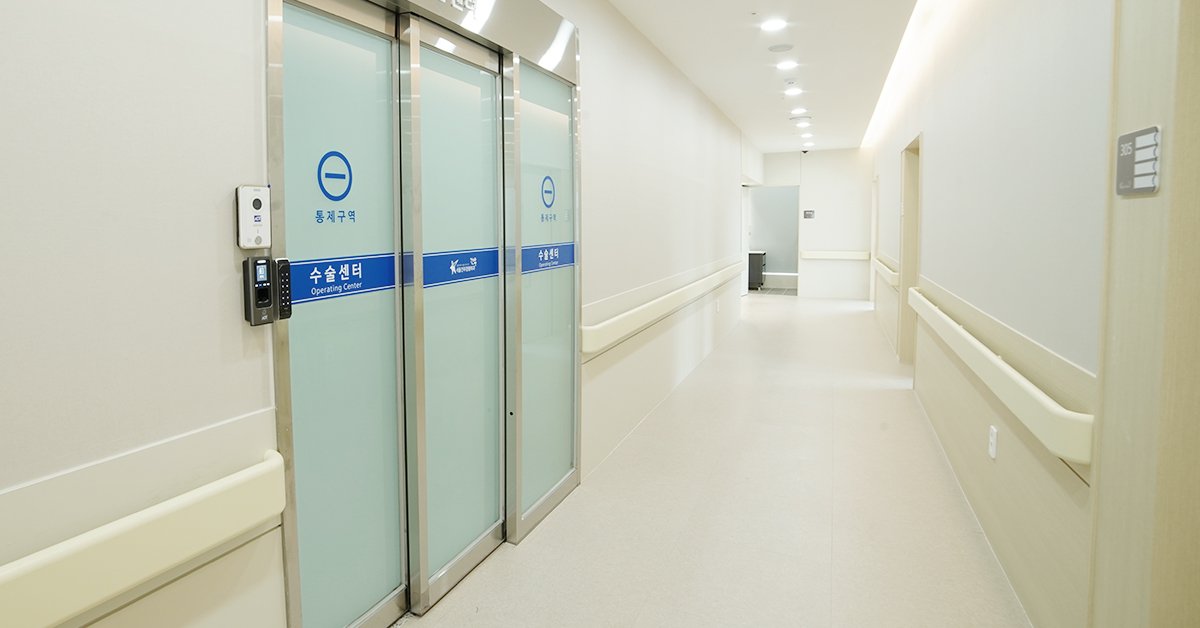
Seoul Gunwoo Orthopedic Surgery Clinic has operating rooms and inpatient rooms in the same building as CT, ultrasound, gait analysis and rehabilitation facilities. These resources cover different aspects of orthopaedic assessment and care. The medical staff can explain which facilities are relevant to a patient’s diagnosis and whether any are part of the recommended plan.
Having multiple resources in one building can make it easier to discuss how different parts of care relate to one another, but not every patient will need every service. For example, imaging and gait analysis answer different clinical questions, and the doctor determines whether either is appropriate. Operating and inpatient facilities are relevant when an operation or inpatient care is part of an individual plan; their presence alone does not mean surgery is indicated. Rehabilitation may also be discussed as part of ongoing care. Ask how each recommended service supports the goals of your treatment. Clear explanations help patients understand what is planned, why it is included and how follow-up will be handled.
Available facilities provide options for assessment and care, but their relevance depends on the individual diagnosis. Ask the medical staff to explain how any recommended resource connects to your treatment plan.
Communication and shared decisions
A useful consultation should leave you with a clear understanding of the diagnosis and the reasons behind the proposed approach. Ask direct questions if a medical term or recommendation is unclear. It is reasonable to discuss treatment alternatives and what follow-up may involve before making a decision.
Patients can prepare by noting when symptoms began, what activities affect them and any relevant medical history. Bringing questions in writing may help keep the conversation focused, particularly when several care options are being considered. Ask what the clinician has concluded from the examination and whether further assessment is needed. You can also ask what the next step would be if symptoms change or the initial plan needs review. Good communication is part of making an informed treatment decision. A clear explanation should reflect your case rather than promise a particular outcome. If you are considering surgery, ask the medical staff to explain the purpose of the procedure under discussion and how rehabilitation or follow-up relates to it.
Seoul Gunwoo Orthopedic Surgery Clinic offers consultations during stated weekday and Saturday hours. The medical staff can discuss an individual Achilles tendon concern and the appropriate next steps. Calling ahead can help you confirm consultation arrangements before visiting.
Best Hospital for Achilles Tendon Surgery in Seoul: Planning a Consultation
Planning a consultation can help you use the appointment effectively. Bring a concise account of when the problem began, how it affects movement and any relevant health history. At Seoul Gunwoo Orthopedic Surgery Clinic, orthopaedic consultations are available on weekdays and Saturday mornings. Use the appointment to understand the diagnosis, ask about options and clarify what follow-up would involve. The medical staff can explain which assessments or services are appropriate for your situation.
What to discuss during your appointment
Describe the injury or symptoms as clearly as possible, including when they began and how they affect walking or everyday activities. Mention relevant health history and raise any questions about treatment. A focused account helps the doctor understand your concerns and decide what needs to be assessed.
Useful questions include what the examination suggests, whether imaging is appropriate and what treatment approaches fit the findings. If surgery is discussed, ask what it is intended to address, what alternatives are relevant and how follow-up would be arranged. You may also want to explain practical considerations such as work or mobility needs so they can be included in the conversation. There is no need to arrive with a preferred procedure; the purpose of the appointment is to understand the clinical assessment and possible next steps. Write down the answers that matter to you so you can review them after the visit. If anything remains unclear, ask the medical staff to explain it before making a decision.
A prepared consultation helps connect your symptoms and daily needs with the clinical assessment. Focus on understanding the diagnosis, the reasoning behind any recommendation and the follow-up plan.
Consultation hours and access
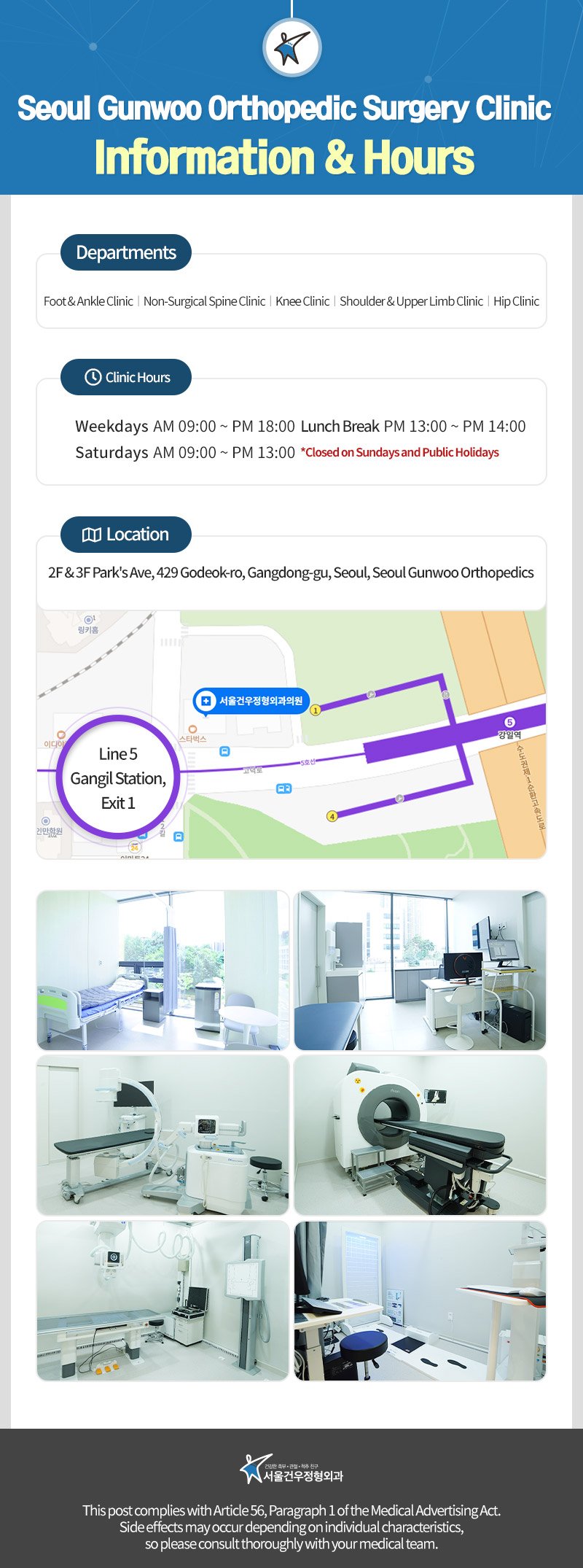
Consultation hours are Monday through Friday from 09:00 to 18:00, with a weekday lunch break from 13:00 to 14:00. Saturday consultations are available from 09:00 to 13:00. The clinic is closed on Sundays and public holidays. Hours are in Korea Standard Time.
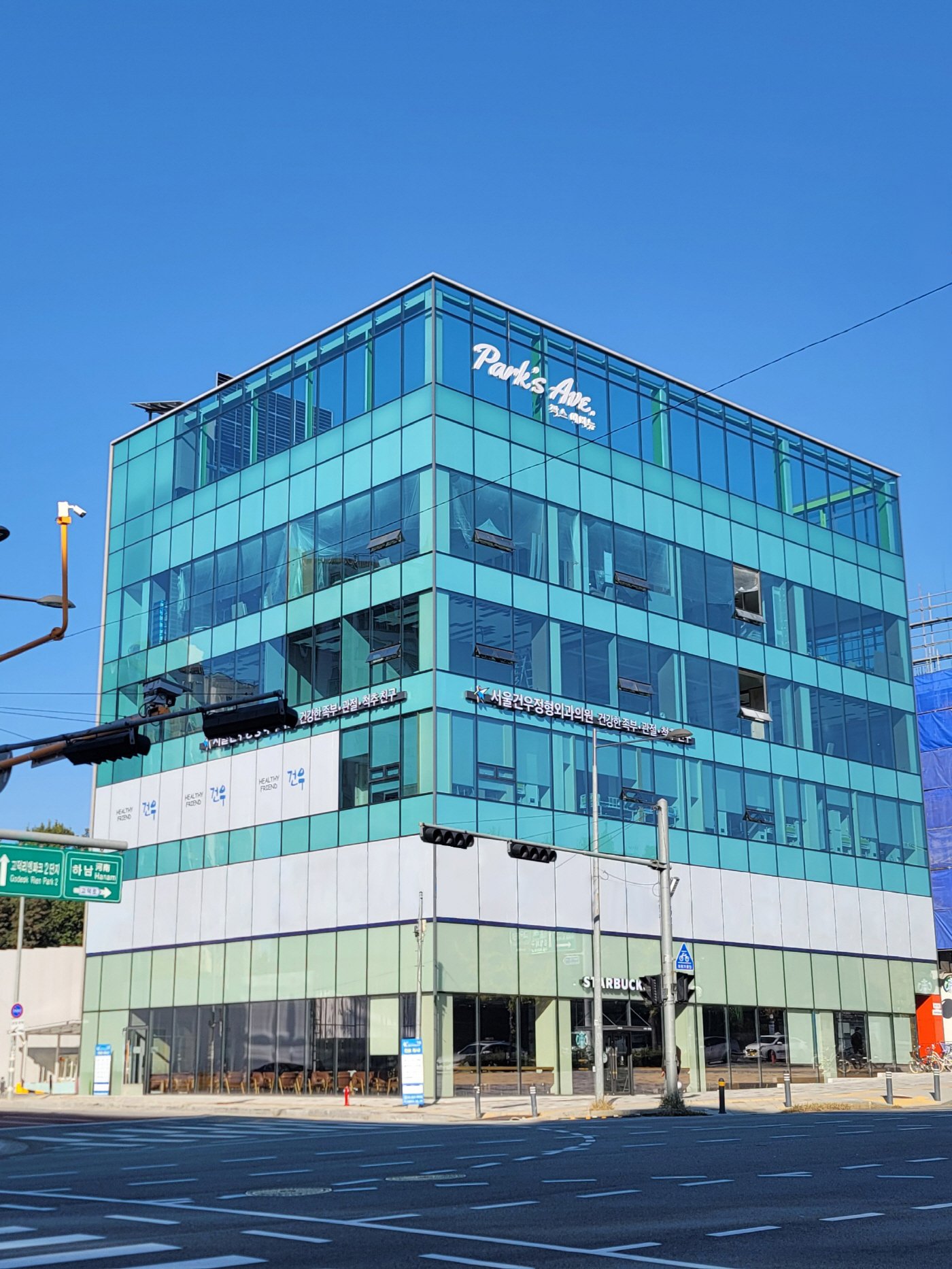
The clinic is located on the second and third floors at 429 Godeok-ro, Gangdong-gu, Seoul, Republic of Korea, near Gangil Station, Exit 1. If you are arranging a visit, consider the consultation hours and weekday lunch break when planning your arrival. For appointments or questions about visiting, contact the clinic by phone. Bringing any relevant medical records or imaging information you already have may help the staff understand your care history, though the medical team can advise what is useful for your particular appointment. Check the consultation schedule before travelling, especially around public holidays. This simple step can help you plan your visit around the clinic’s operating hours.
Check the clinic’s consultation schedule when arranging a visit, and plan around the weekday lunch break and holiday closures. The location is near Gangil Station, Exit 1, in Gangdong-gu, Seoul.
Setting expectations for next steps
After the assessment, ask what happens next and whether another appointment, further evaluation or a treatment discussion is recommended. The right sequence depends on the findings, so a clinician should explain how the next step relates to your case.
Some patients may need additional discussion before choosing a treatment path, while others may leave with a clearer plan after the initial assessment. Avoid assuming that a particular procedure or recovery schedule will apply to you. Ask how progress will be reviewed and whom to contact if your symptoms change. If rehabilitation is part of the plan, clarify how it relates to the treatment being considered. Understanding the next step is more useful than trying to predict an individual outcome in advance. At Seoul Gunwoo Orthopedic Surgery Clinic, available facilities include rehabilitation, operating rooms and inpatient rooms; the medical staff can explain whether any of these are relevant to your care.
Make sure you leave with an understandable summary of the assessment and any recommended follow-up. If surgery is discussed, take time to consider the purpose of the proposed approach and ask about alternatives. A clear, patient-specific explanation supports an informed decision without implying that one option is suitable for everyone.
Frequently Asked Questions
Q.What kind of place is Seoul Gunwoo Orthopedic Surgery Clinic?
A.Seoul Gunwoo Orthopedic Surgery Clinic is an orthopaedic practice. Its facilities include operating rooms, inpatient rooms, CT, ultrasound, gait analysis and rehabilitation in one building.
Q.Who may want to arrange an Achilles tendon consultation?
A.People with Achilles tendon symptoms or an injury affecting movement may seek an orthopaedic assessment. The medical staff can evaluate the individual concern and discuss appropriate next steps.
Q.How are Achilles tendon treatment options discussed?
A.The doctor assesses the injury and the patient’s circumstances before discussing treatment. Seoul Gunwoo Orthopedic Surgery Clinic has CT and ultrasound facilities, and the medical staff can explain whether further assessment or a particular care approach is appropriate.
Q.What should I know before visiting?
A.Bring a clear account of your symptoms and relevant health history, along with any questions you want to discuss. Consultation hours are weekdays from 09:00 to 18:00, with a 13:00 to 14:00 lunch break, and Saturday from 09:00 to 13:00; the clinic is closed Sundays and public holidays.
Q.Where is Seoul Gunwoo Orthopedic Surgery Clinic, and how can I contact it?
A.The clinic is at 2F-3F, 429, Godeok-ro, Gangdong-gu, Seoul, Republic of Korea, near Gangil Station, Exit 1. Call 02-426-9876 for consultation or visit arrangements.
Clinic Information
| Clinic | Seoul Gunwoo Orthopedic Surgery Clinic |
|---|---|
| Specialty | Orthopedics |
| Address | 2F-3F, 429, Godeok-ro, Gangdong-gu, Seoul, Republic of Korea |
| Phone | 02-426-9876 |
| Website | https://seoulfoot.sillajewelry.com |
| Specialist | Specialist care |
 Seoul Gunwoo Orthopedic Surgery Clinic