
What to know about an Achilles tendon surgery hospital in Seoul
Choosing where to seek care for an Achilles tendon problem starts with understanding the available assessment and treatment options. Seoul Gunwoo Orthopedic Surgery Clinic provides Achilles tendon care, and its published surgical work includes Achilles tendon repair. Surgery is not the only possible consideration: the appropriate approach depends on the individual problem and clinical assessment. A consultation is the place to discuss symptoms, examination findings, and whether a surgical option is relevant. It is also reasonable to ask how imaging, treatment planning, and rehabilitation fit into care.
What Achilles tendon care may involve
Achilles tendon symptoms can affect walking, exercise, and everyday movement. Assessment helps clarify what may be contributing to the problem and whether further evaluation or treatment is appropriate. At Seoul Gunwoo Orthopedic Surgery Clinic, Achilles tendon care is among the clinic’s orthopedic services, and Achilles tendon repair is included in its published surgical work.
That information does not mean surgery is appropriate for every person with tendon pain. A clinician considers the individual presentation before discussing options. Symptoms, examination findings, and functional needs all matter when deciding what to do next. If surgery is discussed, ask what the proposed repair is intended to address, what the care plan involves, and how recovery will be monitored. Clear answers help you understand the decision without assuming a particular treatment is necessary or that results can be guaranteed.
Achilles tendon care can include assessment as well as discussion of surgical treatment when appropriate. A personalized clinical evaluation is essential before deciding whether repair is relevant.
When to seek an assessment
Consider arranging an assessment if Achilles-area symptoms persist, interfere with your usual activities, or make walking and movement difficult. A clinician can evaluate the concern and advise whether additional investigation or treatment should be considered. If you have already received an assessment, bring any relevant records or imaging reports you have available.
It helps to describe when symptoms began, where discomfort occurs, and which activities affect it. Mention any previous injury or treatment, changes in your ability to walk, and what you have tried so far. These details can give the medical staff a clearer picture of how the issue affects you. Do not assume that pain alone determines whether surgery is needed. The next step depends on clinical assessment, and a consultation can help distinguish the questions that need further evaluation from those that can be addressed through a treatment discussion.
Matching the care setting to your needs
When comparing care settings, look for a clear explanation of the assessment process and the services connected to your concern. Seoul Gunwoo Orthopedic Surgery Clinic focuses on orthopedics and includes Achilles tendon care among its services. Its published surgical work also covers Achilles tendon repair, alongside other foot and ankle procedures.
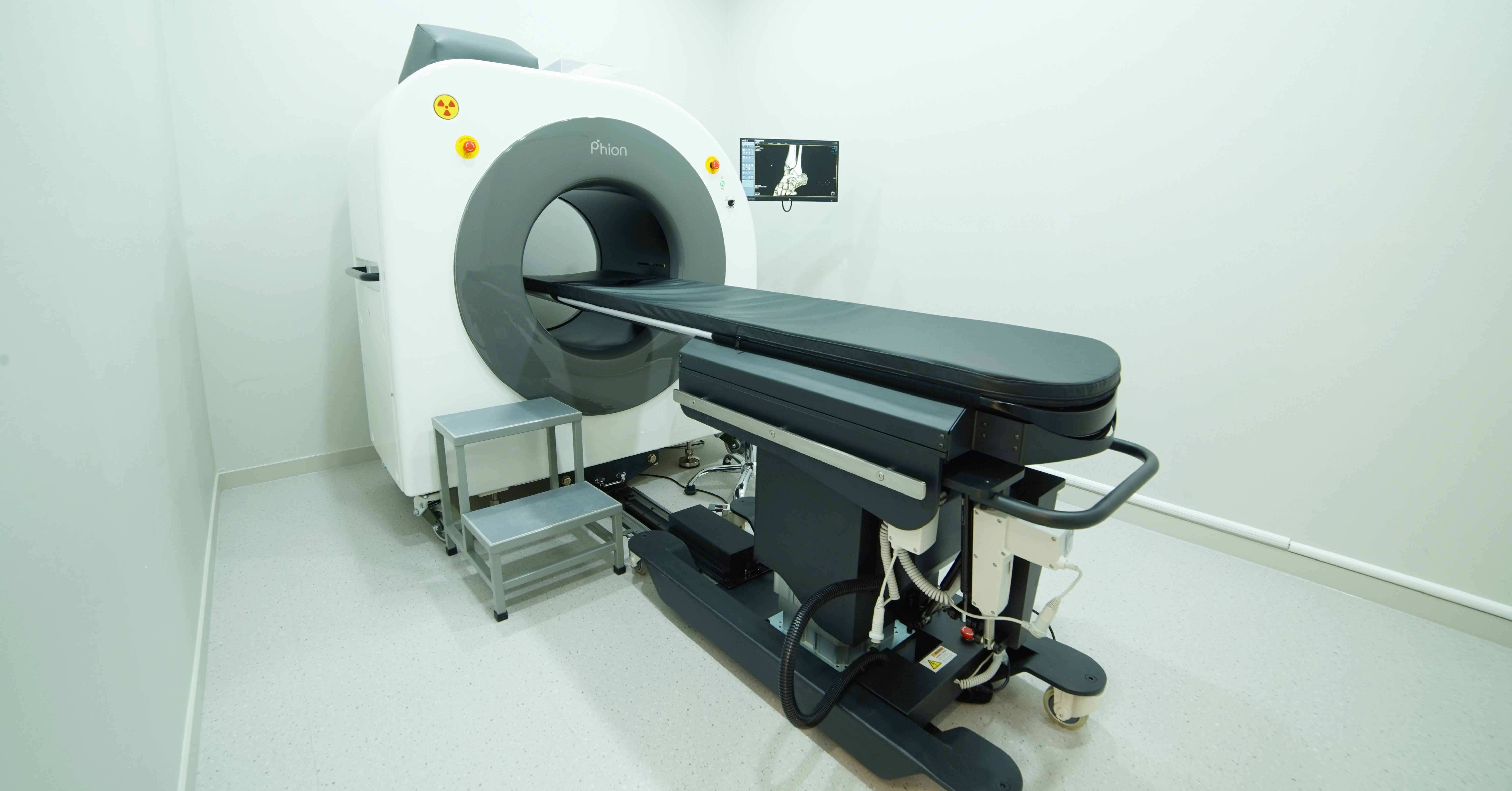
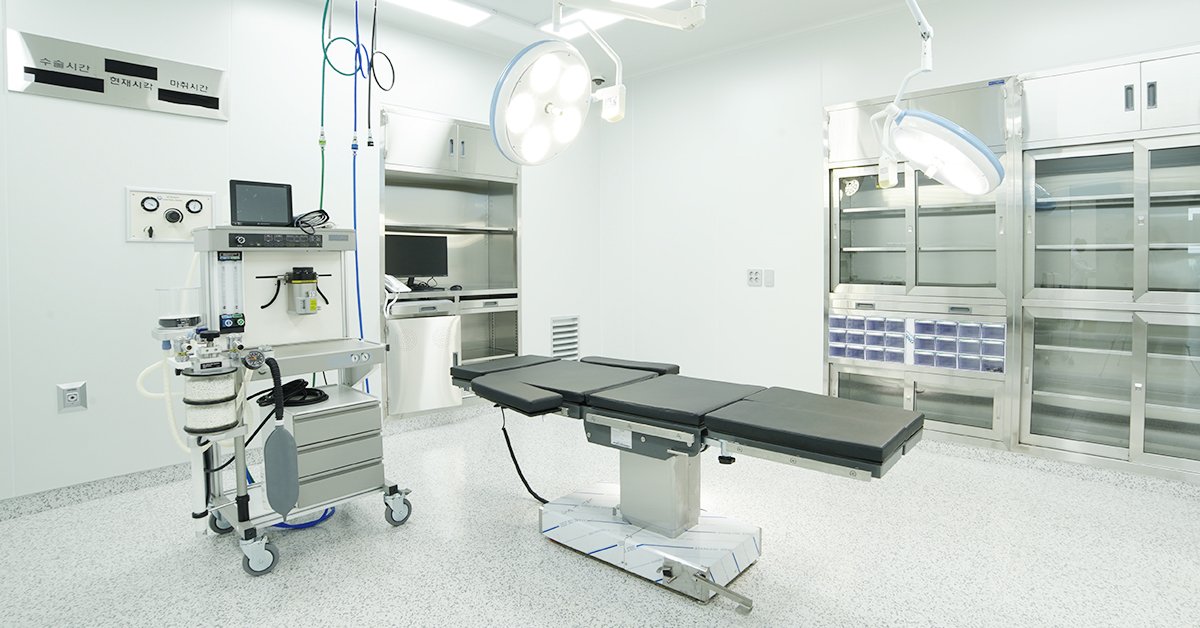
It can be useful to ask whether the clinic can support the stages of care you may need, from evaluation through treatment planning and rehabilitation. The clinic has operating rooms, inpatient rooms, CT, ultrasound, gait analysis, and rehabilitation in one building. These facilities are relevant to the clinic’s broader orthopedic services, but a clinician should explain which ones, if any, are appropriate for your case. Ask what the proposed care involves and how decisions will be made. Choosing a provider is about finding a suitable assessment and care plan, not assuming that surgery is the starting point.
For a consultation, prepare a concise account of your symptoms and any relevant health history. Bring prior medical records or imaging reports if they are available, and note questions about treatment choices, potential recovery needs, and rehabilitation. If symptoms change or your ability to move is affected, describe those changes clearly. This preparation can make it easier to discuss your concerns and understand the clinician’s recommendations. The medical staff can explain which examinations or next steps are relevant after evaluating your situation.
How Achilles tendon surgery care in Seoul is assessed
Assessment helps determine what may be causing Achilles tendon symptoms and what options merit discussion. A clinician may consider your reported symptoms, movement, and examination findings when planning the next step. Seoul Gunwoo Orthopedic Surgery Clinic provides Achilles tendon care and lists Achilles tendon repair among its surgical work. The purpose of an assessment is to guide an individual care discussion, not to predetermine surgery. Ask how the findings relate to your symptoms and whether imaging or other evaluation is needed.
Discussing symptoms and function
A useful consultation begins with a clear account of the problem. Describe where you feel symptoms, when they started, and how they affect walking, work, exercise, or other daily activities. Tell the medical staff about previous injuries or treatment and any change in function.
Before the appointment, consider writing down the questions you most want answered. You might ask what the assessment suggests, whether more evaluation is needed, and which treatment approaches could be considered. If Achilles tendon repair comes up, ask what clinical findings support discussing surgery and what alternatives or further steps may be relevant. The medical staff can explain how the assessment applies to your situation. Individual needs vary, so avoid relying on another person’s treatment experience as a guide to your own. A direct discussion can clarify the reasoning behind the care plan and the next decision points.
A careful symptom history and clinical assessment help shape the care discussion. Ask how the findings relate to your function and what options are appropriate for your individual situation.
Understanding examination and imaging
Examination and imaging may help the clinician evaluate a foot or ankle concern, depending on the clinical question. Seoul Gunwoo Orthopedic Surgery Clinic has CT and ultrasound in its building. The clinician can explain whether either form of imaging is relevant to your assessment and what information it may provide.
Imaging is one part of evaluation rather than a decision about treatment on its own. Ask what the examination or scan is intended to clarify and how the findings will inform the next step. The clinic also has gait analysis, which may be relevant to evaluating movement in appropriate cases. The need for a specific test depends on your symptoms and clinical assessment. If you have already had imaging, bring the reports or images when possible so the medical staff can consider them in context. It is reasonable to ask how test findings connect to any proposed care plan before deciding what to do next.
Considering repair and other care options
Achilles tendon repair is part of Seoul Gunwoo Orthopedic Surgery Clinic’s published surgical work. Whether repair is an option for a particular person depends on clinical assessment. A consultation can clarify the reasoning for considering surgery and what further decisions may be needed.
Ask the attending clinician to explain the purpose of a proposed procedure, the general stages of care, and the rehabilitation considerations relevant to your case. The clinic has operating rooms, inpatient rooms, and rehabilitation in one building. Those facilities do not determine whether surgery is needed; the clinical findings and your circumstances guide that discussion. Make sure you understand the proposed plan and have an opportunity to raise questions before making a treatment decision. If the clinician recommends a different approach or additional evaluation, ask how that recommendation addresses your specific concern and what to expect from the next step.
It may help to keep a written record of the treatment options discussed and any questions that remain. If you are considering surgery, ask about the expected care pathway, follow-up, and rehabilitation planning for your situation. Do not assume that a general description applies to every patient; the medical staff can explain what is relevant to your assessment. Understanding the plan can help you make an informed decision with the clinician.
Preparing to visit an Achilles tendon surgery hospital in Seoul
Preparing for a consultation can help you use the appointment effectively. Gather a brief symptom history, relevant medical records, and any imaging reports you already have. Think about how the problem affects your daily movement and what you want to understand about treatment. Seoul Gunwoo Orthopedic Surgery Clinic provides Achilles tendon care and has assessment and rehabilitation facilities in one building. Bring questions about evaluation, possible care options, and the next steps so the consultation addresses your priorities.
What to bring and ask
Bring any records that may help explain the history of your concern, including relevant imaging reports or information about previous treatment. Be ready to describe when symptoms began, what affects them, and how they limit movement. A concise timeline can make the discussion easier to follow.
Useful questions include what the assessment indicates, whether additional evaluation is needed, and which treatment options are relevant. If surgery is discussed, ask what the procedure is intended to address and how rehabilitation may be considered in your care plan. You can also ask what information the clinician needs before making a recommendation. Clear questions support a more focused discussion, but they do not replace an individual medical assessment. Share concerns about daily activities or work so the medical staff can understand what matters to you when discussing possible next steps.
Preparation can make an orthopedic consultation more focused: bring relevant records, explain how symptoms affect movement, and ask about the reasoning behind each proposed next step. Treatment decisions should follow an individual assessment.
Planning around treatment and rehabilitation
If treatment is being considered, ask how the plan is organized and what follow-up or rehabilitation may involve. Seoul Gunwoo Orthopedic Surgery Clinic has rehabilitation in the same building as its operating rooms and inpatient rooms. The appropriate arrangements depend on the care recommended for your situation.
Recovery needs differ, so avoid relying on a fixed timeline or assuming that another patient’s experience will apply to you. Ask the clinician which activities may need adjustment and how progress will be reviewed if treatment proceeds. If surgery is not recommended at the initial visit, ask what other steps are appropriate and when to seek further assessment. The clinic’s facilities include CT, ultrasound, and gait analysis, but the medical staff can explain whether any of these are relevant to your care. Understanding the plan and who to contact with questions can help you prepare for the next stage of care.
Practical details and follow-up questions
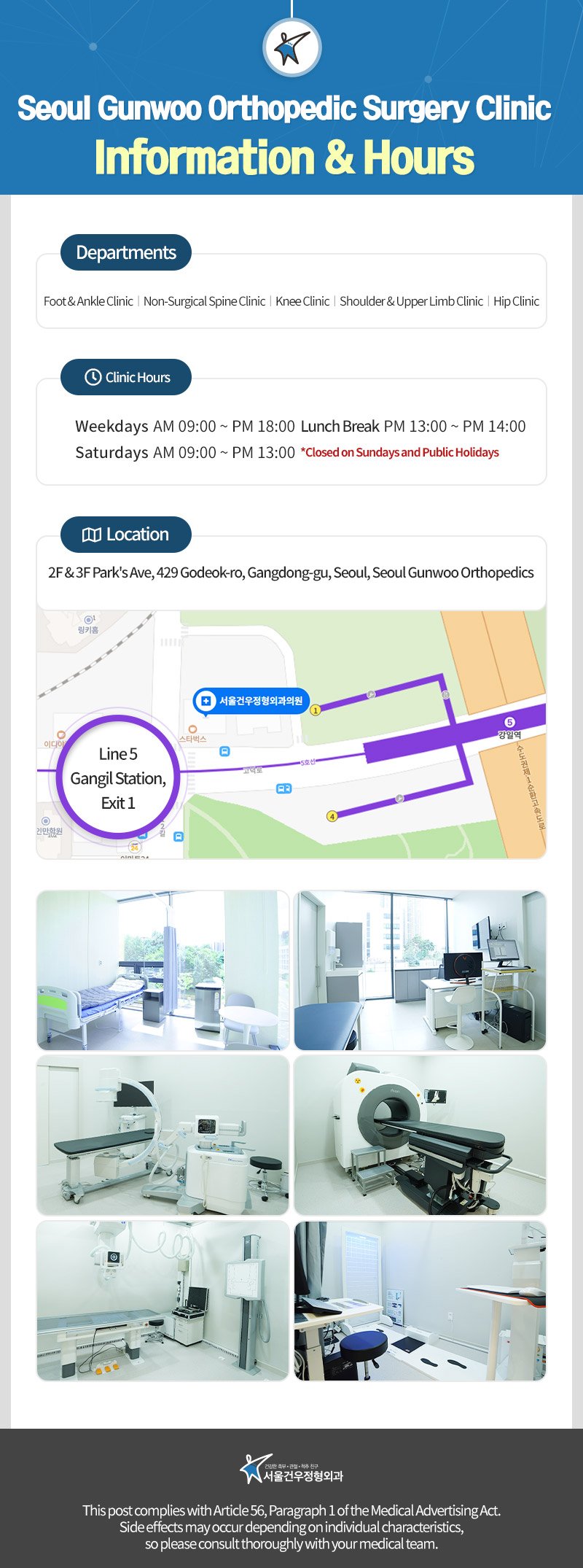
Seoul Gunwoo Orthopedic Surgery Clinic is located at 2F-3F, 429, Godeok-ro, Gangdong-gu, Seoul, Republic of Korea. For inquiries, call 02-426-9876. When contacting the clinic, explain that you are seeking an assessment for an Achilles tendon concern and ask what information to bring.
Before attending, organize your questions about assessment, treatment choices, and rehabilitation. If you have prior records, keep them together so they are easy to share. The medical staff can discuss the care options that fit your clinical findings and explain what follow-up may be relevant. A clear understanding of the location, the purpose of your visit, and the questions you want answered can make it easier to focus on the consultation.
Costs depend on the assessment and treatment plan, so ask the clinic about charges relevant to your visit. Published non-covered fees include foot or ankle ultrasound, but those fees are for the named examinations and are not a price for Achilles tendon surgery. Do not treat a test fee as a surgical estimate. Ask for an explanation of any charges that apply to the services recommended for you. A clinician’s assessment and the specific plan determine which services are relevant, while the clinic can clarify practical billing questions.
Frequently Asked Questions
Q.What kind of place is Seoul Gunwoo Orthopedic Surgery Clinic?
A.Seoul Gunwoo Orthopedic Surgery Clinic is an orthopedic clinic that provides Achilles tendon care. Its published surgical work includes Achilles tendon repair.
Q.Who may want an Achilles tendon assessment?
A.People with persistent Achilles-area symptoms or difficulty with walking and movement may wish to seek an assessment. A clinician can evaluate the concern and discuss appropriate next steps.
Q.What treatment options can be discussed at Seoul Gunwoo Orthopedic Surgery Clinic?
A.The clinic provides Achilles tendon care, and its published surgical work includes Achilles tendon repair. Whether repair or another approach is appropriate depends on individual clinical assessment.
Q.What should I prepare before a consultation?
A.Bring relevant medical records or imaging reports and be prepared to explain when symptoms began and how they affect your movement. You can also prepare questions about assessment, treatment options, and rehabilitation.
Q.Where is Seoul Gunwoo Orthopedic Surgery Clinic, and how can I contact it?
A.The clinic is at 2F-3F, 429, Godeok-ro, Gangdong-gu, Seoul, Republic of Korea. Call 02-426-9876 for inquiries.
Clinic Information
| Clinic | Seoul Gunwoo Orthopedic Surgery Clinic |
|---|---|
| Specialty | Orthopedics |
| Address | 2F-3F, 429, Godeok-ro, Gangdong-gu, Seoul, Republic of Korea |
| Phone | 02-426-9876 |
| Website | https://seoulfoot.sillajewelry.com |
| Specialist | Specialist care |
 Seoul Gunwoo Orthopedic Surgery Clinic