
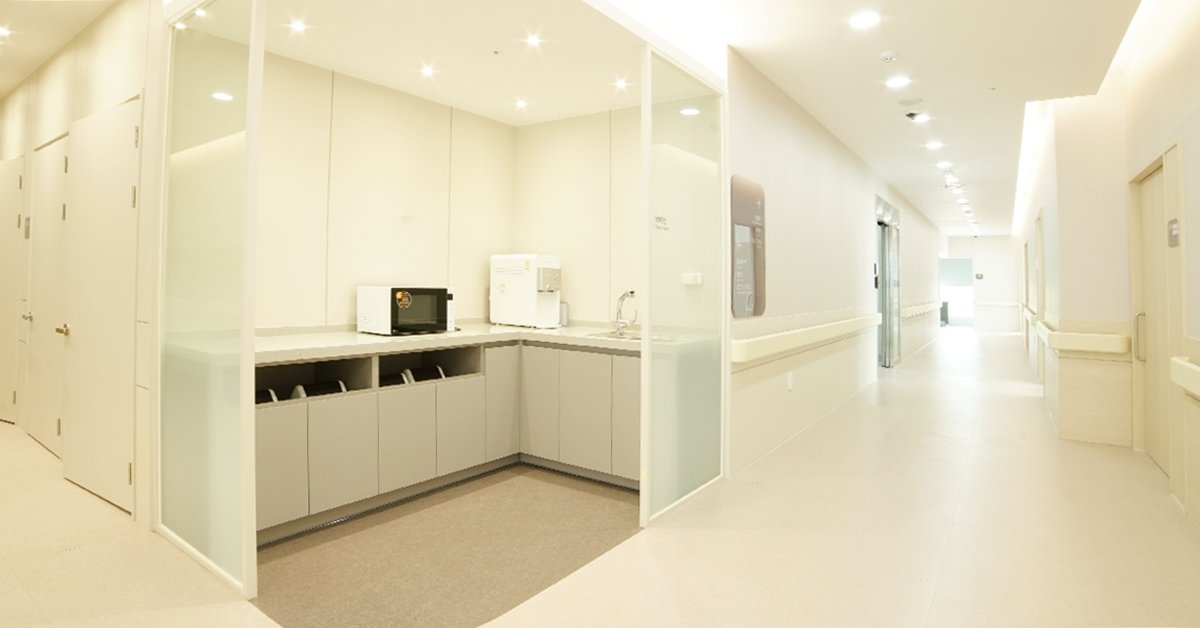
Foot and ankle surgery specialist in Seoul: understanding the role
Foot and ankle problems range from persistent pain and instability to fractures and changes in toe alignment. The phrase foot and ankle surgery specialist in Seoul often signals that a person is looking for focused evaluation and treatment options in the city. Seoul Gunwoo Orthopedic Surgery Clinic is an orthopaedic clinic with a focus on foot and ankle care in Gangdong-gu. Its published clinical focus includes ankle ligament surgery, bunion correction, ankle fracture surgery, Achilles tendon repair, ankle cartilage, and ankle arthritis. Choosing care begins with clarifying the diagnosis and discussing whether non-surgical or surgical management is appropriate.
What foot and ankle orthopaedic care covers
Foot and ankle orthopaedic care addresses conditions affecting bones, joints, tendons, and ligaments in the lower part of the leg. These structures work together during standing and movement, so symptoms such as pain, swelling, or a feeling of instability can have different causes. A careful assessment helps connect the symptoms with the relevant structure and guides the next steps. The goal of an appointment is to understand the problem and review suitable options, not to assume that surgery is necessary.
An initial assessment generally involves discussing when symptoms began, what makes them better or worse, and how they affect daily activity. The medical staff may also consider previous injuries, treatments, and relevant health history. Examination findings help determine whether further evaluation or a particular treatment discussion is needed. For some conditions, management may focus on non-surgical care; for others, an operation may be considered. The appropriate plan depends on the individual diagnosis, the severity of the condition, and the patient’s needs. Patients can support a more focused discussion by describing their symptoms clearly and sharing relevant records or imaging they already have.
Foot and ankle symptoms can arise from different structures, even when they feel similar. A clear diagnosis and discussion of options should come before deciding whether surgery is appropriate.
Conditions addressed at Seoul Gunwoo Orthopedic Surgery Clinic
The clinic’s stated focus includes ankle ligament surgery, ankle fracture surgery, and Achilles tendon repair. These procedures relate to different structures and are considered in the context of a specific diagnosis. Bunion correction is another area of focus; bunions involve changes in the alignment of the big toe and the joint at its base. Having a listed treatment focus does not mean that every patient with a similar symptom will need an operation.
The clinic also lists ankle cartilage and ankle arthritis among its areas of focus. These conditions can involve joint pain or limitations in movement, but the appropriate approach depends on the nature of the problem and its effect on the person. During an appointment, patients can ask what the findings indicate, which treatment options may be relevant, and what factors influence the decision to consider surgery. The conversation can also cover expected recovery considerations and follow-up needs when a procedure is being discussed. Clear explanations of the diagnosis and available approaches help patients make informed decisions. Do not treat a procedure name as a personal recommendation until the medical staff has assessed the condition.
How to assess whether the clinic fits your needs
When comparing care options, look for a match between the clinic’s stated services and the concern you want assessed. Seoul Gunwoo Orthopedic Surgery Clinic describes its focus as foot and ankle care within orthopaedics, including several ankle and forefoot conditions. Patients can ask whether their particular symptoms fall within the clinic’s scope and what information would be useful at the first visit. This practical check helps keep the consultation focused on the issue that matters to them.
The clinic profile includes Dr. Choi Hong Joon, whose background includes foot and ankle medicine, clinical practice, and research. It also lists Dr. Min Kyong Dae as an orthopaedic specialist, with training and experience in arthroscopy and sports medicine. These details provide context about the team’s orthopaedic background, but a patient’s treatment plan still depends on an individual assessment. Before booking, contact the clinic to confirm language support or interpretation; an English website does not establish that an English-speaking clinician or interpreter will be available. It is also reasonable to ask what records or imaging to bring and whether a particular consultation is suitable for the concern.
For a first appointment, prepare a short timeline of the symptoms, note activities that aggravate them, and list treatments tried so far. Bring relevant medical records or imaging if available, along with a list of medicines and health conditions to discuss. These details can help the medical staff understand the context of the problem and make the appointment more productive. Preparation does not replace an examination, but it can make it easier to explain what has changed and what questions you want answered.

Foot and ankle surgery specialist in Seoul: assessment and treatment choices
Decisions about foot and ankle treatment are based on the diagnosis, symptoms, and functional impact—not simply on the name of a procedure. At Seoul Gunwoo Orthopedic Surgery Clinic, the stated areas of focus include ligament, fracture, tendon, bunion, cartilage, and arthritis care. A consultation can help establish which issue is being assessed and whether further evaluation or treatment is appropriate. Ask for a clear explanation of the findings, the options under consideration, and the reasoning behind any recommendation.
What to expect during evaluation
A useful evaluation starts with the patient’s account of the symptoms and relevant history. The medical staff may ask about the location of pain, the circumstances in which it began, and any effect on walking or routine activities. A physical examination can help assess the affected area and guide further discussion. Details such as previous injuries or treatment attempts may also help provide context for the current concern.
Depending on the condition, the assessment may lead to a discussion of additional evaluation, non-surgical management, or a procedure. The clinic’s focus includes ankle ligament surgery, ankle fracture surgery, Achilles tendon repair, bunion correction, ankle cartilage, and ankle arthritis, but the right approach is specific to each patient. A consultation should clarify what the examination suggests, what choices are relevant, and what uncertainties remain. Patients can ask how the proposed plan relates to their daily activities and what follow-up would involve. It is appropriate to seek a plain-language explanation before agreeing to a procedure. If an operation is being considered, ask about preparation, recovery expectations, and the individual factors that may affect the plan.
A consultation connects symptoms and examination findings with treatment choices. Patients should leave with a clearer understanding of the diagnosis, the options discussed, and the questions that still need answering.
Understanding the clinic’s listed procedures and focus areas
Ankle ligament surgery and ankle fracture surgery address distinct problems: one concerns ligament injury, while the other concerns a broken bone. Achilles tendon repair relates to an injury involving the tendon at the back of the ankle. The clinic lists these among its areas of focus, alongside bunion correction. The names describe different treatment areas and should not be taken as a recommendation for a particular patient.
Cartilage concerns and ankle arthritis are also included in the clinic’s stated focus. Their assessment depends on the individual presentation and the findings of the examination. For bunions, the clinic lists correction as an area of care; a patient can ask what findings would make this approach relevant and what alternatives may be discussed. When a fracture or tendon problem is suspected, timely medical assessment can help establish the nature of the injury and appropriate next steps. The same principle applies to ongoing instability or joint symptoms: explain what is happening and ask how the findings relate to possible treatment. A procedure is one possible part of care, not an automatic outcome of a diagnosis.
Questions to raise before agreeing to treatment
Patients can ask what diagnosis best explains their symptoms, what evidence supports it, and whether non-surgical care is appropriate. If surgery is discussed, ask what the procedure is intended to address and what other options are available. These questions help make the decision process more transparent and ensure the plan relates to the patient’s specific condition rather than a general description of a procedure.
It can also be helpful to discuss how the condition affects walking, work, exercise, and other priorities. Ask what preparation may be needed, how follow-up is arranged, and what changes in activity could be expected during recovery. Individual circumstances can influence each of these topics, so answers should be specific to the assessment. Patients who need language assistance should contact the clinic before booking to confirm whether interpretation is available. Understanding the purpose and practical implications of a proposed treatment is an important part of informed decision-making.
Before the appointment, write down the main questions you want answered and bring any relevant records or imaging. If symptoms have changed, note when the change occurred and what activities seem to affect them. This helps keep the discussion organized and gives the medical staff useful context. If you are unsure whether your concern relates to the clinic’s listed focus, ask when arranging the visit. A brief conversation beforehand can help establish what to bring and what the consultation can address.
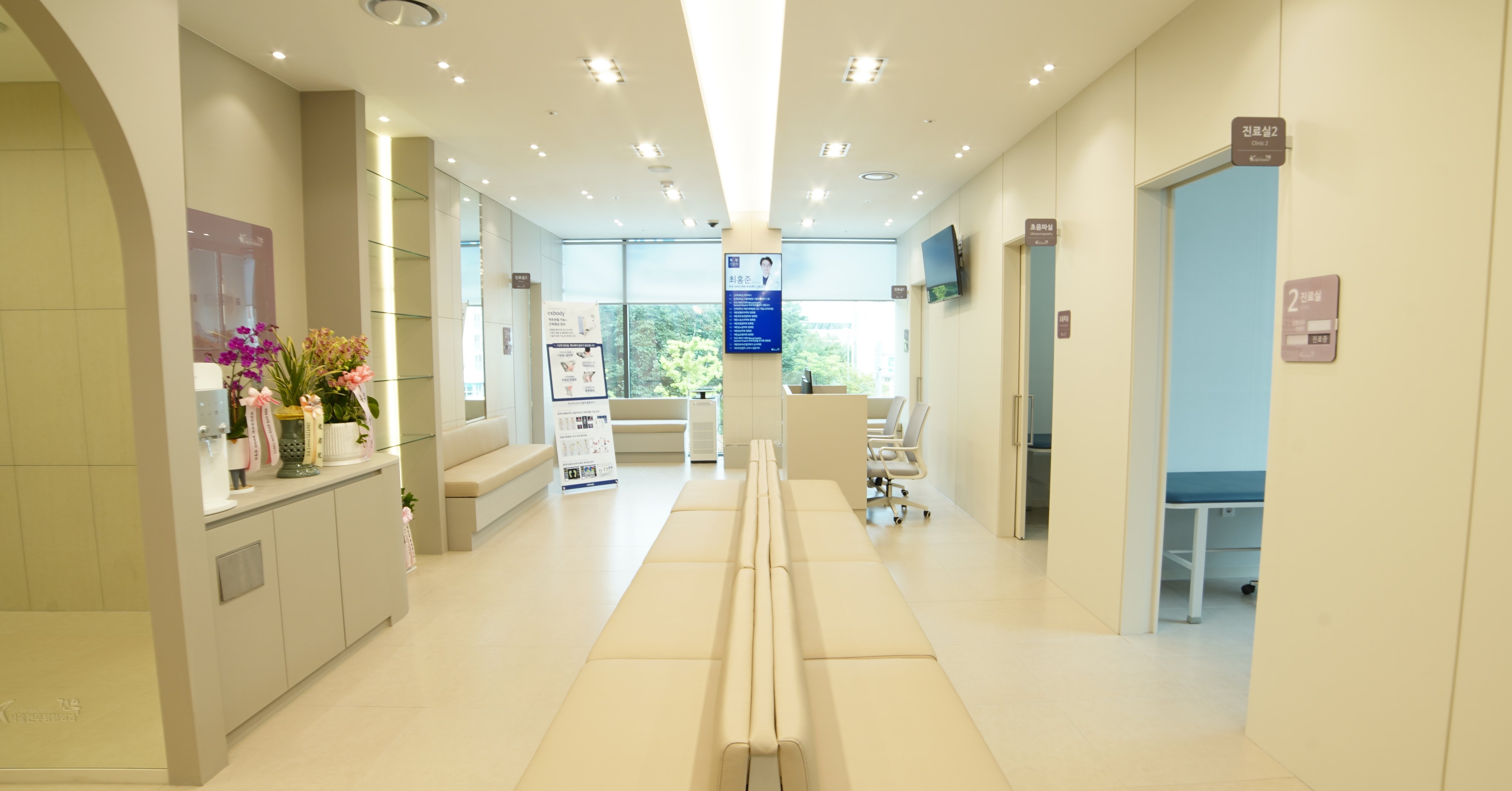
Foot and ankle surgery specialist in Seoul: planning a clinic visit
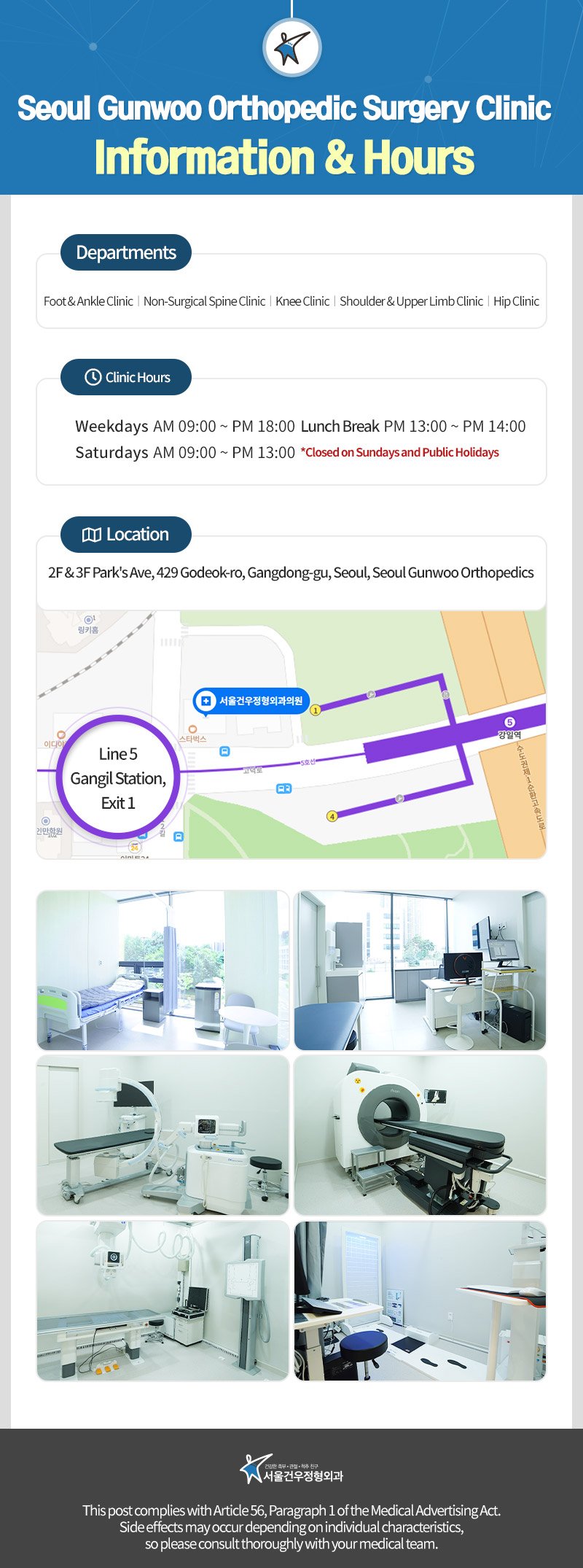
Practical preparation can make a consultation easier to navigate. Seoul Gunwoo Orthopedic Surgery Clinic is located at 2F-3F, 429, Godeok-ro, Gangdong-gu, Seoul, Republic of Korea. Its consultation hours are Monday through Friday from 09:00 to 18:00, with a weekday lunch break from 13:00 to 14:00, and Saturday from 09:00 to 13:00. The clinic is closed on Sundays and public holidays. Contact the clinic before visiting to confirm booking details and any language-support needs.
What to prepare before the appointment
Prepare a concise description of the symptoms, including where they occur, when they began, and how they affect movement or daily routines. Note any injury that preceded the symptoms and what treatments have already been tried. If you have relevant medical records or imaging, bring them for discussion. A current list of medicines and pertinent health history can also help the medical staff understand your situation.
It may be useful to write down your priorities, such as reducing pain during specific activities or understanding why the ankle feels unstable. Bring questions about the diagnosis, possible treatment approaches, and any recommended follow-up. If a procedure is discussed, ask what preparation and recovery could involve in your individual case. Patients should not assume that a particular operation is necessary simply because the clinic lists it as an area of focus. The appointment is an opportunity to review the concern, clarify the findings, and consider next steps together. If you require interpretation, contact the clinic ahead of time to confirm whether language support can be arranged.
Bring relevant history, records, and questions so the visit can focus on your specific concern. Confirm appointment arrangements and language support directly with the clinic before attending.
Clinic hours, access, and contact
The clinic is in Gangdong-gu, Seoul, at 2F-3F, 429, Godeok-ro, Gangdong-gu, Seoul, Republic of Korea. Consultation hours run from 09:00 to 18:00 on weekdays, with a lunch break from 13:00 to 14:00, and from 09:00 to 13:00 on Saturdays. It is closed on Sundays and public holidays. The listed location is near Gangil Station, Exit 1.
To ask about an appointment or confirm practical details, contact Seoul Gunwoo Orthopedic Surgery Clinic at 02-426-9876. Consultation hours are stated in Korea Standard Time. If you need English-language communication or interpretation, confirm availability by phone before booking; an English website alone does not confirm that an English-speaking clinician or interpreter will be present. When calling, you can also ask what records may be helpful for your concern. Confirming these details in advance can help you plan the visit without assuming services that have not been arranged.
Setting realistic expectations for care
Foot and ankle conditions vary, so treatment decisions and recovery considerations are individual. Some changes may take time depending on the person’s condition and the approach selected. A consultation can explain the diagnosis and provide a basis for discussing what to expect, but it cannot guarantee a specific result. Patients should ask how progress will be reviewed and when to seek further advice if symptoms change.
For a useful discussion, be open about the activities affected by the condition and the outcomes that matter to you. Ask the medical staff to explain unfamiliar terms and how each option relates to the assessment. If surgery is proposed, make sure you understand its purpose, the alternatives discussed, and the follow-up plan. Informed care depends on a shared understanding of the condition and a plan tailored to the individual.
Patients looking for foot and ankle care can use the clinic’s stated focus areas to decide whether to make an inquiry. The clinic lists ankle ligament surgery, bunion correction, ankle fracture surgery, Achilles tendon repair, ankle cartilage, and ankle arthritis. Contacting the clinic before booking can help clarify whether the consultation is suitable and what to prepare. Bring relevant records, describe the symptoms clearly, and use the visit to discuss the diagnosis and options. These steps support a focused conversation without presuming which treatment is right.
Frequently Asked Questions
Q.What kind of place is Seoul Gunwoo Orthopedic Surgery Clinic?
A.Seoul Gunwoo Orthopedic Surgery Clinic is an orthopaedic clinic in Gangdong-gu with a focus on foot and ankle care. Its listed focus areas include ankle ligament surgery, bunion correction, ankle fracture surgery, Achilles tendon repair, ankle cartilage, and ankle arthritis.
Q.Who may consider an appointment at Seoul Gunwoo Orthopedic Surgery Clinic?
A.People seeking assessment for concerns related to the clinic’s listed foot and ankle focus areas may contact the clinic. The appropriate care depends on an individual assessment of symptoms and condition.
Q.What foot and ankle treatments does Seoul Gunwoo Orthopedic Surgery Clinic list?
A.The clinic lists ankle ligament surgery, bunion correction, ankle fracture surgery, and Achilles tendon repair, as well as ankle cartilage and ankle arthritis care. A consultation is needed to discuss which options relate to an individual diagnosis.
Q.What should I prepare before visiting Seoul Gunwoo Orthopedic Surgery Clinic?
A.Prepare a description of your symptoms and relevant medical history, and bring any records or imaging that may help explain the concern. Contact the clinic before booking to confirm language support or interpretation.
Q.Where is Seoul Gunwoo Orthopedic Surgery Clinic, and how can I contact it?
A.The clinic is at 2F-3F, 429, Godeok-ro, Gangdong-gu, Seoul, Republic of Korea, near Gangil Station, Exit 1. Call 02-426-9876 to ask about a visit; the clinic is open on weekdays and Saturdays and closed on Sundays and public holidays.
Clinic Information
| Clinic | Seoul Gunwoo Orthopedic Surgery Clinic |
|---|---|
| Specialty | Orthopedics |
| Address | 2F-3F, 429, Godeok-ro, Gangdong-gu, Seoul, Republic of Korea |
| Phone | 02-426-9876 |
| Website | https://seoulfoot.sillajewelry.com |
| Specialist | Specialist care |
 Seoul Gunwoo Orthopedic Surgery Clinic