

Bunion Surgery Hospital in Seoul: Understanding Your Options
A bunion is a change in the alignment of the big toe joint that can create a prominent bump on the side of the foot. Symptoms can include pain, difficulty wearing shoes, and irritation around the joint. Not every bunion requires an operation: the decision depends on symptoms, foot function, and an individual assessment. At Seoul Gunwoo Orthopedic Surgery Clinic, bunion care is part of an orthopedic practice that also addresses other foot and ankle conditions. The clinic’s published surgical work includes bunions.
How a Bunion Can Affect Daily Life
A bunion can make ordinary activities uncomfortable, particularly when footwear presses against the prominent part of the joint. Some people notice pain during walking or standing, while others are more concerned about rubbing inside a shoe. The appearance of the foot alone does not tell the whole story. How the joint feels and functions is important when discussing care with a doctor. Bringing examples of the activities or shoes that cause discomfort can make the consultation more useful.
Before an appointment, consider when the discomfort began and whether it occurs only in certain shoes or continues in wider footwear. It can also help to note whether the pain is centered at the big toe joint or elsewhere in the foot. A bunion may be one part of a broader foot concern, so describing the location of symptoms clearly matters. If walking, work, or exercise has become difficult, explain which movements or periods of activity cause trouble. Share any previous treatment and whether it helped. This information gives the attending doctor context for an assessment and a discussion of next steps. Rather than assuming that a visible bump needs surgery, use the consultation to understand how the shape of the foot, symptoms, and daily function relate to one another.
A bunion assessment should focus on more than the appearance of the foot. Pain, footwear difficulties, and changes in daily activity help guide a useful discussion about treatment.
When to Discuss Surgery
Surgery may be worth discussing when bunion symptoms continue to interfere with daily life. The conversation should address the nature of the pain, the effect on walking and footwear, and the options appropriate to the individual. An operation is not automatically necessary because a bunion is visible. A recommendation requires an assessment by the attending doctor, including a discussion of the expected benefits and the practical demands of recovery.
During the visit, ask what the proposed operation is intended to address and how it relates to your particular symptoms. It is also reasonable to ask whether other approaches should be considered and what each option would involve. If surgery is recommended, find out how the doctor will assess your foot before deciding on a plan. The details of surgery and recovery depend on the individual case, so avoid assuming that another person’s experience will match your own. A clear plan should also account for your responsibilities outside the clinic. For example, discuss the type of work you do, whether you need to stand for long periods, and how you usually travel. These details can help frame questions about time away from activities and assistance during recovery.
Related Foot and Ankle Care
Seoul Gunwoo Orthopedic Surgery Clinic also provides care for ankle ligament concerns, Achilles tendon concerns, heel pain, and plantar fasciitis. Heel pain and plantar fasciitis care includes assessment, stretching, shockwave therapy, and discussion of persistent symptoms. These are distinct concerns from a bunion, even when symptoms occur in the same foot. Explaining exactly where and when you feel pain helps the medical staff understand what needs attention during your visit.
The clinic’s published surgical work also covers ankle ligament repair and reconstruction, Achilles tendon repair, ankle cartilage, ankle arthritis, and fractures. This broader scope can be relevant when a patient has more than one foot or ankle concern. It does not mean that every symptom calls for surgery. If you are experiencing discomfort in more than one area, describe each symptom separately and ask how it relates to the assessment and proposed care.
| Area of care | Examples |
|---|---|
| Bunion | Assessment and published surgical work |
| Ankle ligaments | Care, repair, and reconstruction |
| Achilles tendon | Care and repair |
| Heel pain and plantar fasciitis | Assessment, stretching, and shockwave therapy |
Use the appointment to distinguish your main concern from any additional symptoms you would like addressed. For example, pain at the big toe joint and pain under the heel may need separate discussion. A focused description helps the attending doctor explain which findings are relevant to each concern. If a recommendation is made, ask what it is intended to treat and what you should notice as you follow the plan. Clear communication is particularly useful when symptoms affect more than one part of the foot.
Bunion Surgery Hospital in Seoul: Assessment and Planning
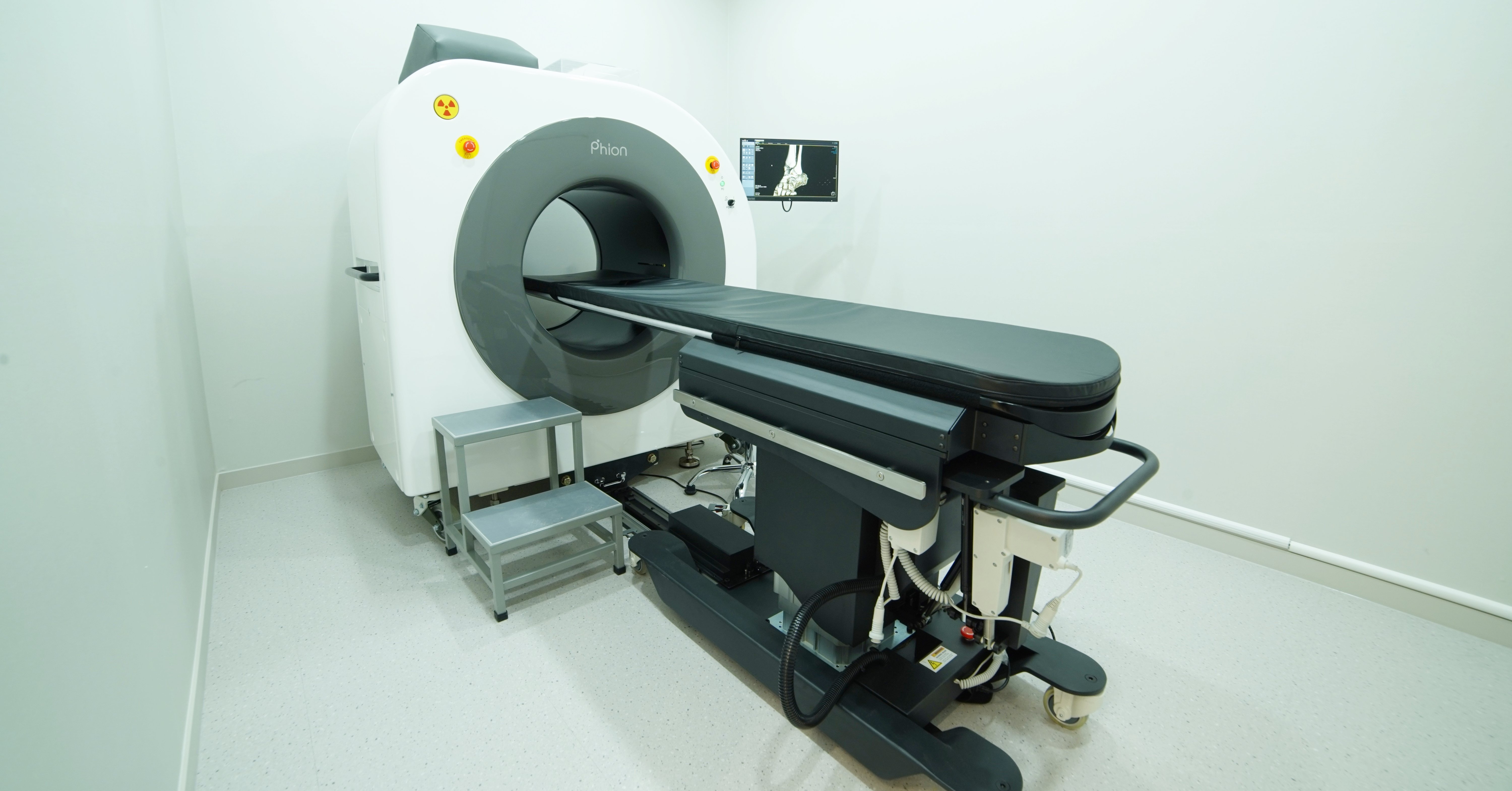
An assessment is an opportunity to connect your symptoms with an appropriate care plan. Seoul Gunwoo Orthopedic Surgery Clinic has CT, ultrasound, gait analysis, and rehabilitation facilities in the same building as its operating and inpatient rooms. Which assessments or facilities are relevant depends on the individual case and the attending doctor’s recommendations. A consultation also gives you time to discuss the practical implications of surgery before making a decision.
What to Bring to Your Consultation
Prepare a concise history of your foot symptoms, including when they occur and how they affect walking, work, exercise, or footwear. If you have records from previous assessment or treatment, bring them for the attending doctor to review. A list of current medicines and relevant medical conditions can also support the conversation. Consider bringing or describing the shoes that cause the most discomfort, especially if pressure around the big toe joint is a major concern.
It can be helpful to write down your questions before the visit. Start with the issue that matters most to you: pain relief, difficulty fitting into shoes, or returning to a particular activity. Then ask what the assessment shows and how those findings relate to your symptoms. If surgery is discussed, ask about the proposed approach, alternatives, possible risks, and what support you might need afterward. You can also ask which assessments are relevant and whether further information is needed before a decision. Make sure you understand the purpose of each recommendation before agreeing to a plan. If an explanation is unclear, ask the attending doctor to describe it in everyday terms. A useful consultation should leave you knowing what the next step is and why it has been recommended.
Good surgical planning begins with a clear account of symptoms and a discussion of your goals. Ask how the assessment supports the proposed plan and what you should expect before deciding.
Facilities and Clinical Assessment
Seoul Gunwoo Orthopedic Surgery Clinic has operating rooms, inpatient rooms, CT, ultrasound, gait analysis, and rehabilitation in one building. These resources support different aspects of orthopedic care, but their use is not automatic for every bunion patient. The attending doctor can explain which assessments are relevant to your symptoms and whether an operation is appropriate. Ask what each recommended assessment is intended to clarify and how its findings could influence the plan.
The consultation is also a chance to understand who will be involved in your care. Dr. Choi Hong Joon has a background in foot and ankle medicine, clinical practice, and research. Dr. Min Kyong Dae’s profile lists orthopedic, arthroscopy, and sports-medicine training. When discussing a proposed operation, ask the attending doctor to explain the intended correction and any considerations specific to your foot. You can also ask how the clinic coordinates assessment, surgery, inpatient care, and rehabilitation when those services are needed. Having facilities in one building can make the range of available care easier to understand, but your individual plan should determine which services you use. Do not assume that every assessment or stage of care will apply to you.
Questions to Ask Before Treatment
A useful surgical discussion covers both the intended benefit and the limits of what an operation can address. Ask which symptoms the proposed surgery is meant to improve and whether other causes of pain need attention. Discuss the possible risks and the choices available for your case. It is also sensible to ask what will happen if you decide not to proceed immediately, so you can weigh the options with an understanding of your circumstances.
Practical questions matter as well. Ask whether inpatient care is expected, what arrangements you should make for getting home, and how follow-up and rehabilitation would be planned. If you have work, caregiving, or travel commitments, explain them before scheduling treatment. Recovery arrangements should be based on the operation and the attending doctor’s instructions, not on a generic timeline. Ask for clarification whenever a recommendation is unfamiliar or difficult to fit into your routine.
Before leaving, make sure you know whom to contact if questions arise about the plan. If surgery is being considered, ask how preparation instructions will be communicated and when you should discuss any changes in your health or medication. Write down the points you want to revisit, including treatment options and recovery arrangements. Costs should also be discussed before proceeding, so you understand what is included in the proposed care and can make an informed decision.
Bunion Surgery Hospital in Seoul: Recovery and Visit Details
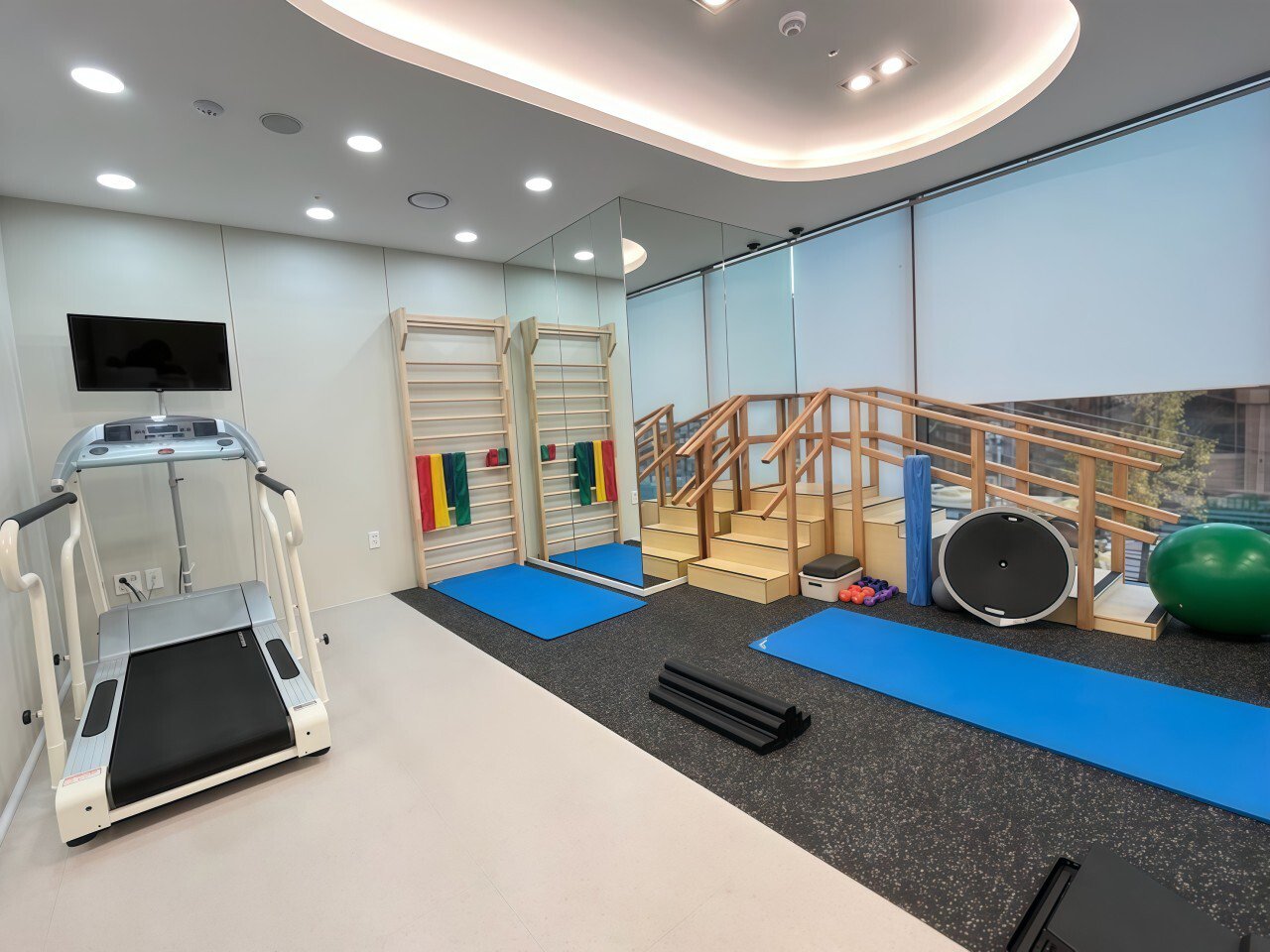
Recovery planning begins before an operation. The appropriate arrangements depend on the procedure and the individual, so discuss walking, footwear, work, and follow-up with the attending doctor. Seoul Gunwoo Orthopedic Surgery Clinic has inpatient rooms and rehabilitation in the same building as its operating rooms. Ask which parts of the recovery plan apply to you and what assistance you may need at home. Changes in symptoms and function can take time, depending on the individual condition.
Preparing for Recovery
Before surgery, consider how you would manage daily tasks if your movement is restricted. Transport, meals, household duties, and work responsibilities may all need attention. Ask the attending doctor what to expect for your particular procedure rather than arranging your schedule around someone else’s experience. If you live alone or care for others, mention this during planning. The answer can help you decide what support to organize and what questions to ask before treatment.
Discuss when and how you will receive instructions about activity, wound care, footwear, and follow-up. The recommendations depend on the operation, so do not assume that you will be able to walk, drive, or return to exercise on a particular schedule. Ask how to recognize a concern that needs medical attention and whom to contact if one arises. It is also useful to discuss your normal activities in detail: a desk-based role, work that requires standing, and frequent travel can present different practical challenges. If rehabilitation is part of your plan, ask what its purpose is and how it fits with follow-up care. Keep the instructions you receive accessible and seek clarification before changing your activity level. Planning ahead can make it easier to follow the care plan while managing everyday responsibilities.
Recovery instructions should be tailored to the operation and your circumstances. Discuss mobility, practical support, and follow-up before surgery so you can prepare for the period afterward.
Points to Consider Before Treatment
Every operation involves risks, and the relevant considerations depend on the proposed procedure and your health. Ask the attending doctor to explain potential complications, the intended benefit, and the steps involved in follow-up. It is equally important to discuss any medical conditions or medicines that could affect planning. An informed decision includes understanding both the treatment and the responsibilities of recovery. If anything remains unclear, ask for an explanation before proceeding.
Expectations should be grounded in your own symptoms and the findings of your assessment. Surgery is discussed in relation to a particular foot and a particular set of concerns; it should not be presented as a guaranteed outcome. Ask what improvement the proposed operation is intended to achieve, what it may not address, and how progress will be reviewed. Changes may take time depending on your individual condition. If you also have pain in another part of the foot or ankle, ask whether it is related to the bunion or requires a separate discussion. Bring up any uncertainty about the recommended plan, including how much help you may need after the procedure. Understanding these points can help you decide whether treatment fits your needs and circumstances.
Consultation Hours and Access
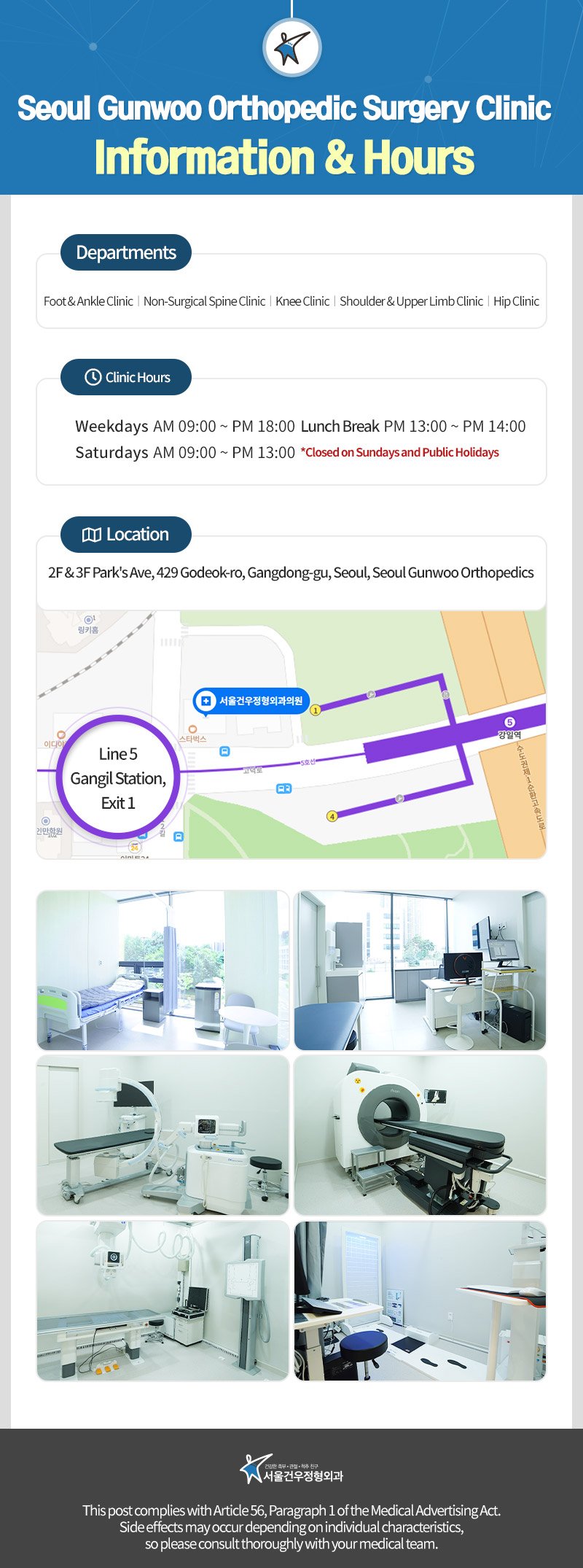
Seoul Gunwoo Orthopedic Surgery Clinic is in Gangdong-gu, Seoul, near Gangil Station. Consultation hours are listed below in Korea Standard Time. When planning a visit, allow time to discuss your symptoms and any questions about treatment. If you are considering surgery, you can also ask about the steps involved in arranging an assessment and receiving a treatment recommendation.
| Day | Consultation hours |
|---|---|
| Monday–Friday | 9:00 a.m.–6:00 p.m.; lunch break 1:00–2:00 p.m. |
| Saturday | 9:00 a.m.–1:00 p.m. |
| Sunday and public holidays | Closed |
For a productive visit, bring your symptom notes, relevant records, and a list of questions. If you have difficulty with particular shoes or activities, describe those circumstances to the medical staff. The goal of an initial discussion is to understand the concern and determine an appropriate next step, not to assume that surgery will be needed. If an operation is recommended, ask for the preparation and recovery information relevant to your plan.
Before making arrangements, consider what you need to know about scheduling, the proposed care, and any associated costs. A clear discussion can help you plan around work and home responsibilities and understand whether further assessment is needed. The right next step is the one supported by your symptoms, assessment, and informed discussion with the attending doctor.

Frequently Asked Questions
Q.What kind of care does Seoul Gunwoo Orthopedic Surgery Clinic provide?
A.Seoul Gunwoo Orthopedic Surgery Clinic provides orthopedic care, including bunion, ankle ligament, Achilles tendon, heel pain, and plantar fasciitis care. Its published surgical work includes bunions and other foot and ankle conditions.
Q.Who should consider a bunion consultation?
A.A consultation can be useful for someone with pain at the big toe joint or difficulty with walking or footwear. The attending doctor can assess the concern and discuss appropriate options.
Q.What can I expect if surgery is discussed?
A.The attending doctor can explain the proposed treatment and recovery considerations for your case. Seoul Gunwoo Orthopedic Surgery Clinic has operating rooms, inpatient rooms, and rehabilitation in one building.
Q.What should I prepare before my appointment?
A.Bring a description of your symptoms, relevant previous records, and a list of medicines and questions. Note which shoes or activities cause discomfort.
Q.Where is Seoul Gunwoo Orthopedic Surgery Clinic, and how can I contact it?
A.The clinic is at 2F–3F, 429 Godeok-ro, Gangdong-gu, Seoul, Republic of Korea, near Gangil Station Exit 1. Call 02-426-9876 for appointment inquiries.
Clinic Information
| Clinic | Seoul Gunwoo Orthopedic Surgery Clinic |
|---|---|
| Specialty | Orthopedics |
| Address | 2F-3F, 429, Godeok-ro, Gangdong-gu, Seoul, Republic of Korea |
| Phone | 02-426-9876 |
| Website | https://seoulfoot.sillajewelry.com |
| Specialist | Specialist care |
 Seoul Gunwoo Orthopedic Surgery Clinic