
Bunion treatment hospital in Seoul: Understanding your options
A bunion develops when the big toe shifts toward the other toes, creating a prominence at the joint near its base. Symptoms can include pain, swelling, and irritation from footwear, although a visible bunion does not always cause discomfort. Seoul Gunwoo Orthopedic Surgery Clinic provides orthopedic care for patients seeking an assessment of foot and ankle concerns. A consultation can help clarify whether symptoms are consistent with a bunion and which treatment approaches are appropriate for the individual.
What to notice before an appointment
Pay attention to where discomfort occurs and when it becomes noticeable. Some people feel pressure over the prominence when wearing shoes, while others notice pain around the joint during walking. Stiffness, redness, and difficulty finding comfortable footwear are also worth mentioning to the attending doctor. Describe whether the symptoms affect everyday activities, such as standing for work or walking for exercise. These details give the medical staff useful context when discussing an examination and possible next steps.
It can also help to consider how long the problem has been present and whether your symptoms have changed. For example, note if discomfort appears only in certain shoes or continues after you take them off. Bring a list of measures you have already tried, such as changing footwear or using a cushion over the prominent area. If you have pain elsewhere in the foot, mention that too rather than assuming all symptoms come from the bunion. The medical staff can assess the whole picture and discuss whether further evaluation is appropriate. The appearance of a bunion alone does not determine which treatment is needed. The location of pain, the effect on movement, and your goals for daily activity all matter when discussing care.
A useful bunion assessment starts with symptoms and their effect on daily life, not appearance alone. A clear description of when and where the foot hurts helps guide the discussion.
How a foot assessment may proceed
The attending doctor may ask about your symptoms, examine the foot, and assess how the big toe moves. Depending on the situation, the discussion may include how you walk and whether other parts of the foot are uncomfortable. Imaging can help assess the position of the bones and joint when clinically appropriate. The choice of examination or imaging depends on the individual assessment; not every patient needs the same tests.
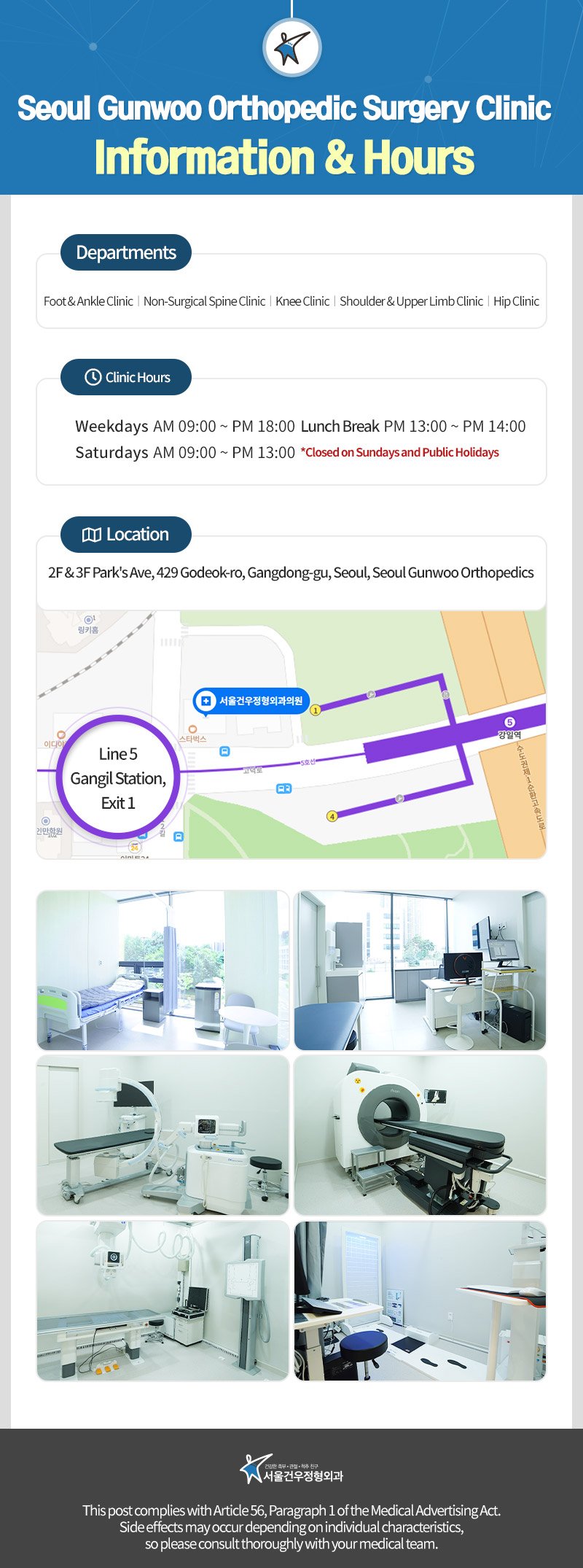
Seoul Gunwoo Orthopedic Surgery Clinic has CT and ultrasound equipment, as well as gait analysis facilities. These resources can support orthopedic assessment when the attending doctor considers them appropriate. CT uses X-rays to create detailed images of structures inside the body, while ultrasound uses sound waves to visualize soft tissues. Gait analysis focuses on how a person walks. Each provides different information, and the presence of equipment does not mean that every patient with a bunion will need each assessment. Ask what a recommended test is intended to show and how the result would inform the discussion about care. Understanding the purpose of a test can make the next steps easier to follow.
Choosing care around your symptoms
Bunion care generally begins with a discussion of symptoms and practical measures that may reduce pressure on the foot. Shoes with a wider toe area, protective pads, or other support may be considered according to individual needs. These approaches can help manage discomfort, but they do not necessarily correct the underlying position of the bones. A clinician can explain which measures are reasonable to try and how to judge whether symptoms are improving.
If discomfort continues despite appropriate non-surgical measures, surgery may be discussed as an option. The decision depends on factors such as the pattern of pain, foot structure, activity needs, and the findings of an examination. Surgery is not automatically needed because a bunion is visible. Ask the attending doctor to explain the proposed approach, its expected recovery, and the considerations relevant to your health before making a decision.
It is useful to distinguish symptom management from correction of the deformity. Roomier footwear can reduce rubbing, for example, but it should not be presented as a way to realign the bones. Equally, a surgical discussion should include more than the appearance of the toe. Explain what you want to do more comfortably, whether that means walking, working on your feet, or wearing everyday shoes. That context helps keep the consultation focused on your priorities.
Bunion treatment hospital in Seoul: Comparing approaches
Treatment choices are usually guided by how much the bunion bothers you and whether it limits daily activity. Non-surgical care focuses on relieving pressure and managing symptoms. Surgery aims to address the underlying deformity and may be considered when symptoms warrant it. Neither approach should be chosen solely from a photograph or a general description of the foot. An in-person assessment allows the attending doctor to discuss options in the context of your examination and health history.
Non-surgical symptom management
Footwear is often an important starting point. Shoes with adequate room around the toes can reduce pressure against the bunion, while a protective pad may limit friction in some situations. The fit of the entire shoe matters: a shoe that feels tight across the front can continue to irritate the foot even if its length seems right. Discuss any persistent pain with the medical staff rather than relying on padding alone.
Other measures may be considered according to the source of discomfort. A clinician might discuss foot supports or activity adjustments if these are appropriate for the individual. The purpose is to make daily activities more manageable, not to promise that a bunion will disappear. When trying a change, notice whether it reduces pressure during the activities that usually cause symptoms. If a pad or support causes more rubbing or discomfort, stop using it and raise the issue at your appointment. It is also worth discussing any existing health conditions or medicines before using medication for pain. The attending doctor can help explain which measures fit your circumstances and when a review would be sensible if discomfort continues.
Non-surgical measures are intended to manage discomfort and pressure; they do not necessarily change bone alignment. Persistent symptoms deserve a fresh discussion about the available options.
When surgery may be discussed
Surgery may be considered when a bunion causes ongoing pain or limits function despite non-surgical care. The appropriate operation, if any, depends on the individual’s foot structure and clinical findings. During a consultation, ask what the proposed procedure is intended to address and why it is being considered. It is also reasonable to ask what non-surgical alternatives remain available and what recovery would involve.
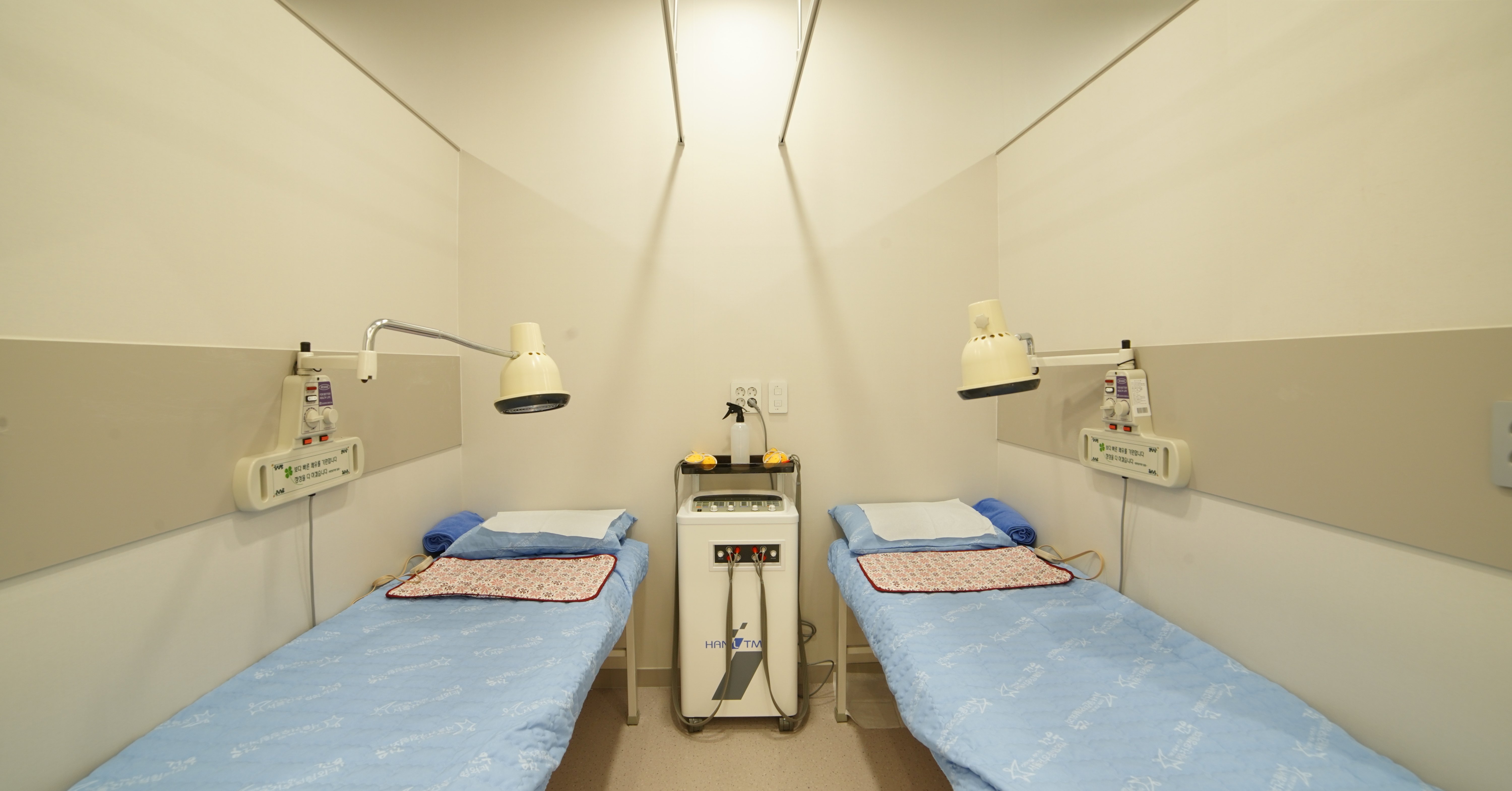
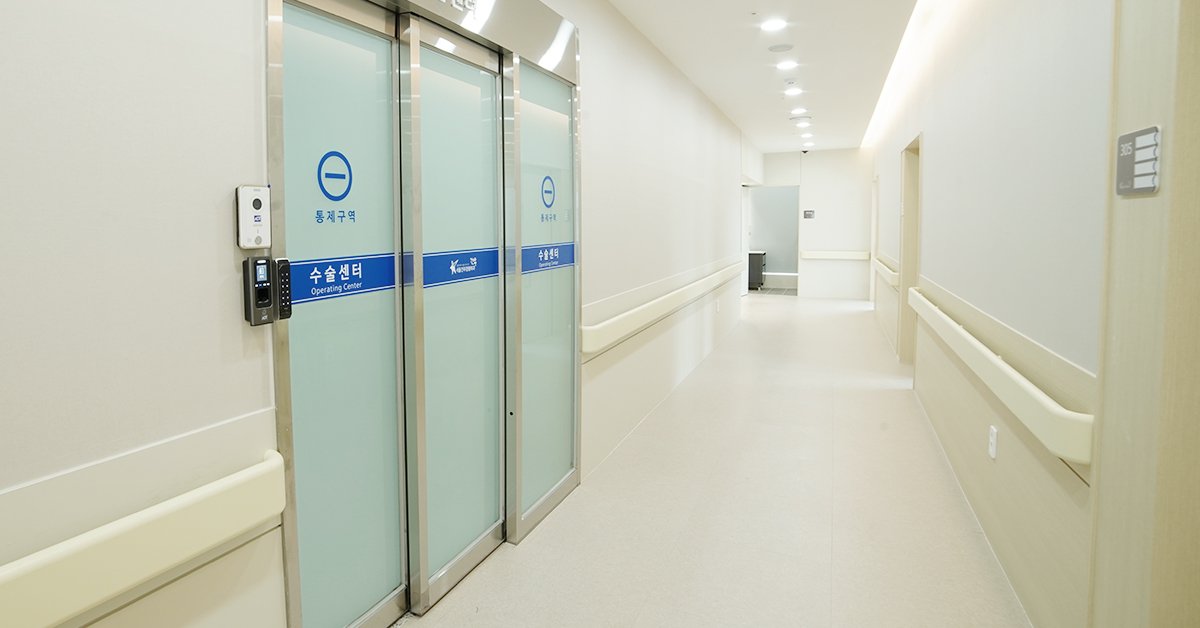
Bunion operations can involve repositioning bone and addressing surrounding tissues, but the exact technique is selected for the individual case. Recovery planning matters as much as the operation itself: ask about dressings, footwear, walking, time away from activities, and follow-up appointments. The attending doctor can explain the risks and expected course in relation to your health and the proposed procedure. Changes and recovery take time, and the course differs from person to person. Seoul Gunwoo Orthopedic Surgery Clinic has operating rooms and inpatient rooms in the same building as its other facilities. If surgery is being considered, discuss the recommended care plan directly with the medical staff, including where each stage of care would take place.
Points to consider before treatment
Every treatment decision involves practical considerations. A shoe change may be straightforward to try, while a surgical plan requires preparation for recovery and follow-up. Ask how each option relates to your main concern, whether that is pain during walking, irritation from shoes, or limited movement. The attending doctor can also explain possible risks and what symptoms should prompt further contact after treatment.
Share relevant health information during the assessment, including existing conditions, medicines, allergies, and previous foot treatment. If you have questions about pain relief or physical activity, ask for advice suited to your circumstances. Do not assume that the same approach recommended to another person will suit your foot. Even when two bunions look similar, the location of discomfort and the effect on daily life can differ.
Before leaving, make sure you understand the agreed next step. You might ask what to try at home, how to use any recommended support, and when to arrange a review. If imaging or surgery has been discussed, ask how the findings or proposed procedure relate to your symptoms. Writing down the answers can help you follow the plan and identify questions to raise at a later appointment.

Bunion treatment hospital in Seoul: Planning your visit
Seoul Gunwoo Orthopedic Surgery Clinic brings orthopedic care and facilities for imaging, gait analysis, and rehabilitation together in one building. The medical staff includes Dr. Choi Hong Joon, whose background includes clinical practice and research in foot and ankle medicine. Contact our clinic before booking to confirm whether language support or interpretation will be available. Preparing your symptom history and questions in advance can make the consultation more productive.
What to bring and discuss
Bring a list of your current medicines, relevant health conditions, and previous treatment for the foot. If you have existing imaging or clinical records, ask whether bringing them would be useful. Consider wearing or bringing the shoes that most often cause discomfort so you can explain where they press. Be ready to describe the activities that are difficult and any measures you have already tried.
Prepare questions that connect the examination to your daily needs. You might ask whether the pain appears to come from the bunion joint, surrounding pressure, or another part of the foot. If a test is recommended, ask what it is expected to clarify. If treatment is proposed, ask how to use it, what change to look for, and when the plan should be reviewed. Patients considering surgery can ask about the intended procedure, recovery arrangements, and the role of rehabilitation. These questions are useful starting points rather than a substitute for individual medical advice. The goal is to leave with an understanding of the plan and the reasons behind it.
Good preparation makes it easier to connect clinical findings with the activities that matter to you. Confirm language support before booking, and bring a concise history of your symptoms and previous care.
Rehabilitation and follow-up
Rehabilitation needs depend on the treatment received and the individual’s condition. Seoul Gunwoo Orthopedic Surgery Clinic has rehabilitation facilities in the same building as its imaging equipment and operating rooms. If rehabilitation is included in your care plan, ask the medical staff what it is intended to address and how it fits with your other instructions. Follow the plan provided for your particular circumstances rather than a general timetable.
After any intervention, follow-up gives the attending doctor an opportunity to review symptoms and progress. Ask which activities are appropriate, whether any footwear or support is recommended, and how to respond if discomfort changes. If you undergo surgery, the medical staff can explain wound care, movement, and the timing of return to activities for your procedure. Recovery instructions can differ according to the operation and the patient’s health, so avoid comparing your progress directly with someone else’s. Keep a record of questions that arise between visits. If a symptom concerns you, contact our clinic for guidance rather than changing the treatment plan on your own.
Hours and access
Consultation hours are shown below in Korea Standard Time. The clinic is near Gangil Station, Exit 1. If you need interpretation or have a question about preparing for a visit, contact our clinic before making travel arrangements. A call can also help you discuss the appropriate way to arrange a consultation and clarify any practical questions about your appointment.
Weekday consultations pause for lunch, while Saturday hours end earlier than weekday hours. Our clinic is closed on Sundays and public holidays. Allow time for travel and bring the information needed for your assessment, especially if you have records from previous foot care. If your schedule is tight, check the appointment arrangements in advance rather than assuming a walk-in visit will fit your plans.
| Day | Consultation hours |
|---|---|
| Monday–Friday | 9:00 a.m.–6:00 p.m.; lunch break 1:00–2:00 p.m. |
| Saturday | 9:00 a.m.–1:00 p.m. |
| Sunday and public holidays | Closed |
A consultation is an opportunity to discuss both symptoms and practical expectations. Ask the medical staff which assessments are appropriate and whether any follow-up will be needed. If an examination leads to a treatment recommendation, take time to understand the purpose, potential risks, and next steps. A clear plan should reflect your foot condition as well as the demands of your work, walking, and everyday routine.

Frequently Asked Questions
Q.What kind of care does Seoul Gunwoo Orthopedic Surgery Clinic offer?
A.Seoul Gunwoo Orthopedic Surgery Clinic provides orthopedic care. Our clinic has CT, ultrasound, gait analysis, operating rooms, inpatient rooms, and rehabilitation facilities in one building.
Q.Who might consider a bunion consultation?
A.A consultation can be useful for someone with pain around the big toe joint, irritation from shoes, or discomfort that affects walking. An examination can help clarify the cause and appropriate next steps.
Q.What treatment options can be discussed for a bunion?
A.A discussion may include footwear changes and other measures to reduce pressure. Surgery may be considered for ongoing symptoms, depending on the individual assessment.
Q.What should I prepare before my visit?
A.Bring a list of your symptoms, medicines, relevant health conditions, and previous foot treatment. It can also help to note which shoes and activities cause discomfort.
Q.Where is Seoul Gunwoo Orthopedic Surgery Clinic, and how can I contact our clinic?
A.Our clinic is at 2F–3F, 429 Godeok-ro, Gangdong-gu, Seoul, Republic of Korea. Call 02-426-9876 to discuss booking and confirm language support or interpretation.
Clinic Information
| Clinic | Seoul Gunwoo Orthopedic Surgery Clinic |
|---|---|
| Specialty | Orthopedics |
| Address | 2F-3F, 429, Godeok-ro, Gangdong-gu, Seoul, Republic of Korea |
| Phone | 02-426-9876 |
| Website | https://seoulfoot.sillajewelry.com |
| Specialist | Specialist care |
 Seoul Gunwoo Orthopedic Surgery Clinic