
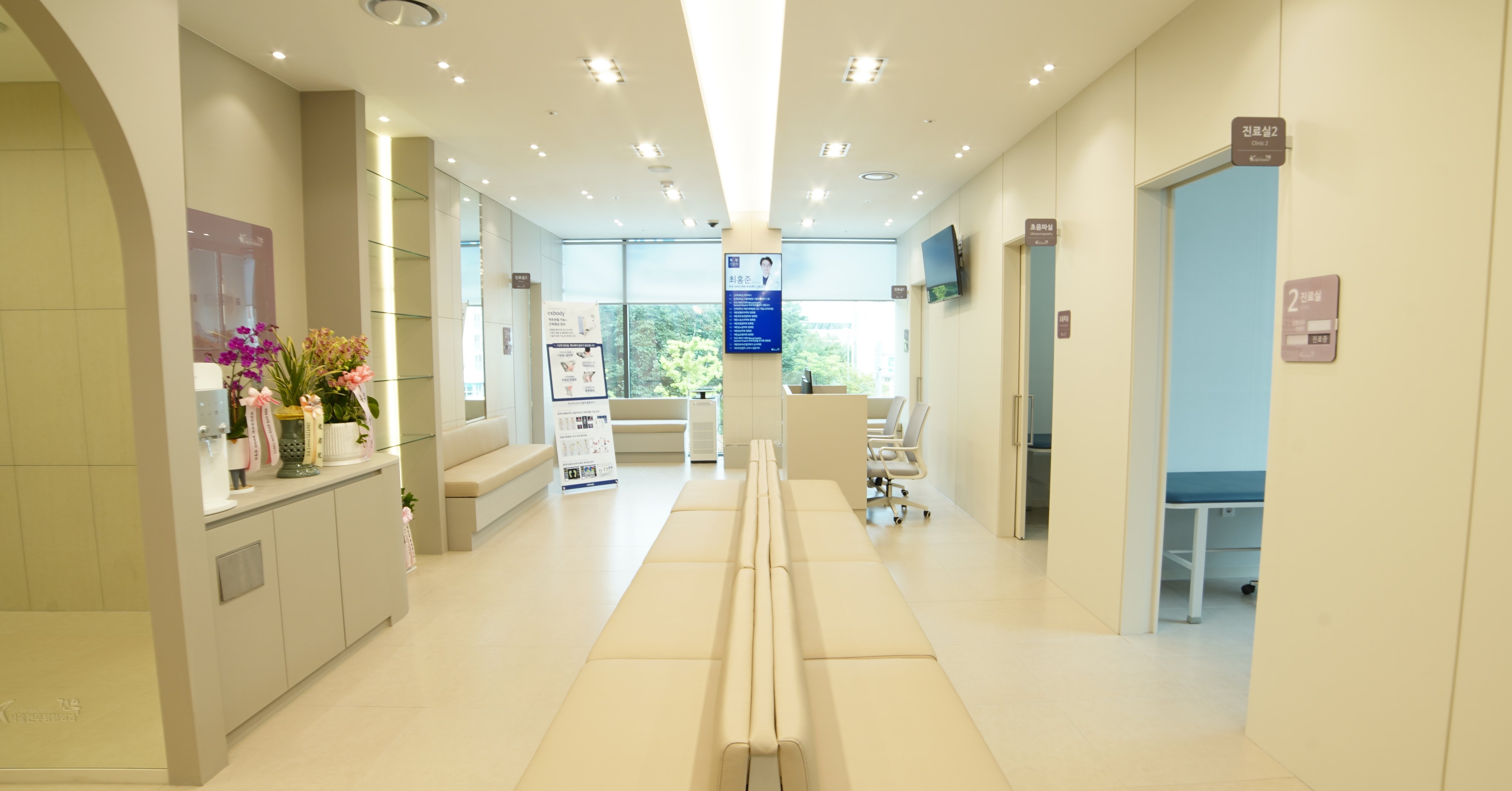
Bunion Surgery Hospital Recommendations in Seoul: Where to Start
A useful recommendation begins with the care a clinic provides and how closely it matches your needs. Seoul Gunwoo Orthopedic Surgery Clinic focuses on foot and ankle orthopedic care, including bunion care and published surgical work on bunion correction. A consultation is an opportunity to discuss the shape of the foot, pain, footwear difficulties, and the effect on daily activities. A visible bunion alone does not establish whether surgery is needed; the decision depends on an individual clinical assessment.
Understanding bunions and their symptoms
A bunion, also known as hallux valgus, involves a change in alignment at the base of the big toe. The big toe may lean toward the smaller toes, while a prominence forms on the inner side of the foot. Some people experience pain or irritation where footwear presses against the prominence. Others notice difficulty finding comfortable shoes or changes in the way the foot bears weight. Symptoms and their effect on daily life differ from person to person.
It is helpful to describe more than the appearance of the bump. Consider whether discomfort occurs during walking, standing, exercise, or only in certain shoes. Note any rubbing, redness, or pressure around the big-toe joint, as well as whether the smaller toes are affected. These details give the attending doctor a clearer picture of the problem you want addressed. A bunion can be present without significant pain, so appearance and symptoms should be discussed separately. If pain is interfering with normal activities, an orthopedic consultation can help clarify the cause and the options for managing it. Bring up any recent change in symptoms, rather than assuming that every foot complaint is caused by the bunion.
A bunion consultation should address both foot alignment and the symptoms that matter to the patient. The most useful starting point is a clear account of how the foot feels and functions in everyday life.
What to look for in orthopedic care
When comparing options, look for a clinic whose work includes the condition you want assessed. Seoul Gunwoo Orthopedic Surgery Clinic provides bunion care and publishes information about bunion correction as part of its foot and ankle surgical work. The clinic also covers ankle ligament conditions, Achilles tendon care, heel pain, and plantar fasciitis. This broader focus is relevant when foot discomfort occurs alongside other symptoms that deserve attention during a consultation.
Ask how the attending doctor will evaluate your concerns and explain the available options. A helpful discussion should distinguish the goal of relieving pain or shoe pressure from the goal of changing foot alignment. It should also give you room to ask what treatment involves and what to expect afterward. The right treatment plan is not determined by a recommendation alone; it should reflect your symptoms, examination findings, and preferences. If you have concerns about walking, work, exercise, or caring for yourself during recovery, raise them early. These practical details can influence the discussion about whether an operation is appropriate and how to plan around it.
Preparing for your appointment
Before your visit, make a short note of where you feel discomfort and what makes it better or worse. Describe how long you have noticed the bunion and whether your symptoms have changed. If footwear is a particular problem, identify which shoes cause pressure and where the pressure occurs. Bringing a list of questions can make it easier to cover the concerns that matter most to you.
Tell the medical staff about previous foot treatment, relevant medical conditions, and medicines you take. If you have prior imaging or records related to the problem, bring them to the appointment when available. Also mention pain elsewhere in the foot or ankle. Those details can help the attending doctor understand the full picture rather than focusing only on the visible prominence.
| Topic | What to note |
|---|---|
| Symptoms | Location of pain, pressure, rubbing, or redness |
| Daily activities | Effects on walking, standing, exercise, and footwear |
| Previous care | Foot treatments, relevant records, and medicines |
| Questions | Treatment options, recovery, and follow-up |
Use your notes as a starting point rather than trying to diagnose the condition yourself. The attending doctor can discuss whether the symptoms fit a bunion and whether other concerns need attention. If you have a particular goal, such as wearing everyday shoes more comfortably or returning to an activity, explain it clearly. A focused conversation can make it easier to understand what treatment is intended to address.

Bunion Surgery Hospital Recommendations in Seoul: Treatment Choices
Bunion treatment is guided by symptoms and individual circumstances. Some people discuss nonsurgical ways to reduce pressure and discomfort, while others consider an operation when symptoms continue to interfere with daily life. Seoul Gunwoo Orthopedic Surgery Clinic offers bunion care and includes bunion correction in its published surgical work. An operation is a decision to make after an assessment, with a clear understanding of its purpose, recovery requirements, and possible risks.
Discussing care before surgery
For some patients, the first conversation may focus on practical ways to make the foot more comfortable. Footwear with adequate room around the toes can reduce pressure on a painful prominence. The attending doctor can discuss whether other nonsurgical measures are suitable for your symptoms. These approaches are generally aimed at managing discomfort rather than correcting the underlying alignment, so it is important to be clear about what each option can and cannot address.
Describe any measures you have already tried and whether they helped. For example, a change in footwear may make standing more comfortable but still leave pain during longer walks. That distinction gives the attending doctor useful context when discussing next steps. Ask what improvement you should look for and when to seek further advice if symptoms persist. If the main concern is the appearance of the foot rather than pain or restricted activity, say so openly. The consultation can then address your priorities alongside the clinical findings. Nonsurgical care and surgery have different aims, and neither should be presented as an automatic choice for every bunion.
Bunion care starts with understanding symptoms and discussing the purpose of each option. Surgery may be considered when an individual assessment supports it, but the choice should follow a balanced conversation about benefits and recovery.
When bunion correction may be considered
Surgical correction may enter the discussion when bunion symptoms remain troublesome despite measures to reduce discomfort. The attending doctor can explain whether an operation is appropriate for your foot and what the proposed treatment is intended to address. Questions about pain, footwear, walking, and daily activities are useful because they connect the decision to the problems you actually experience.
Ask the attending doctor to explain the proposed plan in terms you can understand, including how the alignment problem will be addressed and what recovery may involve. The details of bunion surgery depend on the individual condition and the procedure selected. It is reasonable to ask about alternatives, the expected course of healing, and the support you may need at home. You should also discuss any health factors that could affect treatment or recovery. Seoul Gunwoo Orthopedic Surgery Clinic’s published surgical work includes bunion correction; the attending doctor can discuss the appropriate approach after evaluating your condition. Use the consultation to make an informed decision, not simply to obtain an operation date.
Points to consider before treatment
Every operation involves considerations as well as potential benefits. Ask about risks relevant to your situation, which can include infection, stiffness, persistent discomfort, or a return of the deformity. The attending doctor can explain how these possibilities relate to the proposed procedure and your health. Changes may take time depending on your individual condition, and recovery should be discussed before you decide whether to proceed.
It is also useful to ask about practical restrictions after surgery. Depending on the treatment plan, you may need to arrange help with travel, work, household tasks, or caring responsibilities. Ask when you can expect guidance on walking, footwear, and returning to your usual activities. Avoid making firm plans around recovery until you have discussed the proposed procedure with the attending doctor.
Bring any remaining questions back to the consultation, particularly if the treatment plan affects decisions about work or family responsibilities. You can also ask how follow-up will be arranged and which symptoms should prompt you to contact the medical staff. A clear plan for communication is an important part of preparing for treatment.
Bunion Surgery Hospital Recommendations in Seoul: Clinic and Visit Planning
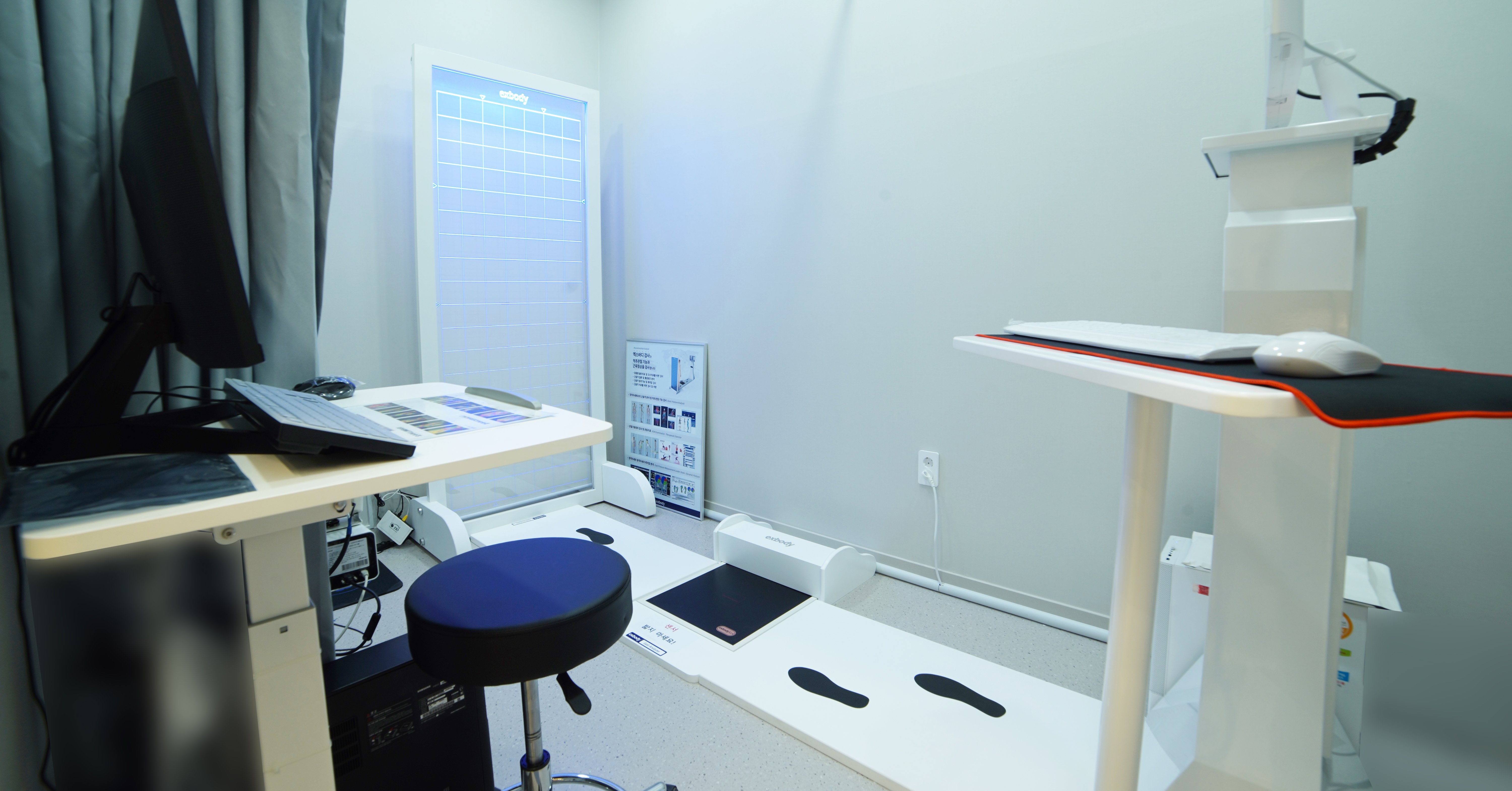
Seoul Gunwoo Orthopedic Surgery Clinic provides orthopedic care in Gangdong-gu, Seoul, with a published focus on foot and ankle conditions. Bunion care is one part of that work, alongside care for ankle ligaments, Achilles tendon conditions, heel pain, and plantar fasciitis. The clinic’s published surgical work also covers ankle cartilage, ankle arthritis, and fractures. For a patient comparing care options, the relevant question is how the consultation addresses the specific foot problem and the patient’s goals.
Medical staff and clinical focus
Dr. Choi Hong Joon has a background in foot and ankle medicine, clinical practice, and research, and holds a PhD in Medicine. Dr. Min Kyong Dae’s listed training includes orthopedics, arthroscopy, and sports medicine. These backgrounds are relevant to the clinic’s orthopedic focus, but the assessment and treatment plan for a bunion remain individual. During your visit, ask the attending doctor how the findings relate to your symptoms and treatment options.
A foot and ankle focus can be useful when symptoms overlap. For example, a patient may notice a bunion along with discomfort elsewhere in the foot or ankle. Rather than assuming that the visible bunion explains every symptom, describe each concern and when it occurs. The clinic’s published areas of care include bunions, ankle ligament conditions, Achilles tendon problems, heel pain, and plantar fasciitis. Its published surgical work includes bunion correction and procedures addressing other foot and ankle conditions. The purpose of discussing your full symptom history is to help the attending doctor assess the problem in context. The treatment conversation should remain centered on the findings and your own priorities.
Seoul Gunwoo Orthopedic Surgery Clinic’s foot and ankle focus includes bunion care and published work on bunion correction. A useful visit connects that clinical focus with a careful discussion of your individual symptoms and goals.
Planning around treatment and recovery
If surgery is proposed, ask for an explanation of the steps before and after the procedure. Discuss your usual routine, including work, transport, exercise, and responsibilities at home. Recovery needs depend on the operation and the individual, so your plan should come from the attending doctor rather than from another patient’s experience. Make sure you understand any instructions before making arrangements.
Consider who could help if your mobility is temporarily limited and how you would travel to follow-up visits. Ask what footwear or support may be needed and when it may be appropriate to resume particular activities. If you take medicines or have an existing medical condition, review these with the medical staff as part of treatment planning. It is also sensible to ask which changes after treatment are expected and which should be reported. Clear instructions matter more than a general recovery estimate, because the details depend on the care you receive. Write down the answers or bring someone who can help you remember them if that would be useful.
Making the most of a consultation
A productive appointment gives you space to explain the problem and understand the proposed next step. Start with your main concern, then describe how it affects daily activities. Ask whether the symptoms are consistent with a bunion and what treatment options fit your circumstances. If surgery is discussed, ask how the suggested procedure relates to your particular findings.
Before leaving, make sure you know what you are deciding and what happens next. You can ask for clarification about the aim of treatment, the expected recovery process, and any instructions you need to follow. If you are not ready to decide, say so. Understanding the options is an essential part of choosing care that fits your needs.
For an initial inquiry, contact Seoul Gunwoo Orthopedic Surgery Clinic and describe that you would like to discuss bunion symptoms. Have your questions and relevant medical information ready for the visit. A consultation provides the opportunity to discuss the condition directly with the medical staff and consider the next step together.

Frequently Asked Questions
Q.What kind of care does Seoul Gunwoo Orthopedic Surgery Clinic offer?
A.The clinic provides orthopedic care with a focus on foot and ankle conditions, including bunion care. Its published surgical work includes bunion correction.
Q.Who might consider a bunion consultation?
A.A consultation can be useful for someone experiencing pain, shoe pressure, or difficulty with daily activities around the big-toe joint. The attending doctor can discuss the symptoms and suitable options.
Q.Does the clinic provide surgical care for bunions?
A.Yes. Bunion correction is included in Seoul Gunwoo Orthopedic Surgery Clinic’s published surgical work. Whether surgery is appropriate depends on an individual assessment.
Q.What should I prepare before a bunion appointment?
A.Note where you feel pain or pressure, how symptoms affect your activities, and any previous foot treatment. Bring relevant medical records or imaging if you have them.
Q.Where is Seoul Gunwoo Orthopedic Surgery Clinic, and how can I contact it?
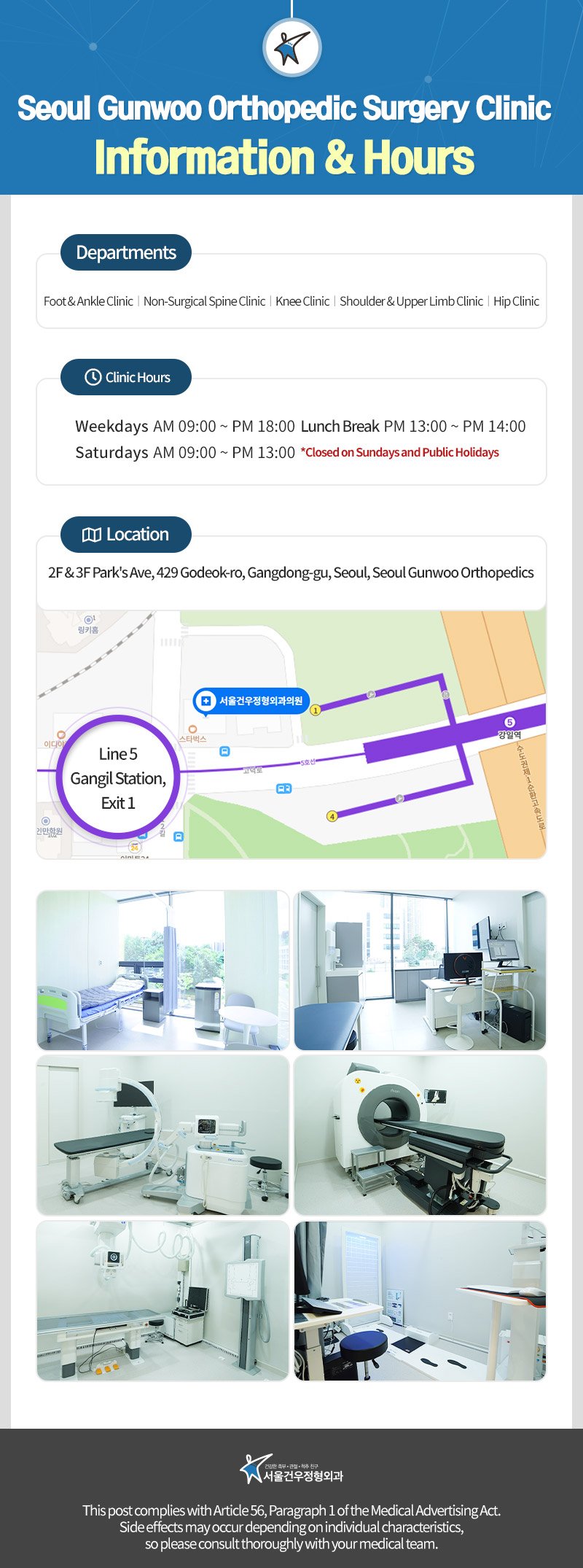
A.The clinic is at 2F-3F, 429, Godeok-ro, Gangdong-gu, Seoul, Republic of Korea, in front of Gangil Station Exit 1. Call 02-426-9876 to inquire about a visit.
Clinic Information
| Clinic | Seoul Gunwoo Orthopedic Surgery Clinic |
|---|---|
| Specialty | Orthopedics |
| Address | 2F-3F, 429, Godeok-ro, Gangdong-gu, Seoul, Republic of Korea |
| Phone | 02-426-9876 |
| Website | https://seoulfoot.sillajewelry.com |
| Specialist | Specialist care |
 Seoul Gunwoo Orthopedic Surgery Clinic