
Choosing an Achilles Tendon Surgery Specialist in Seoul
The Achilles tendon connects the calf muscles to the heel and helps the foot push off during walking, running, and climbing stairs. Pain or weakness in this area can have different causes, from tendon irritation to a tear. The first step is an assessment of the injury, rather than assuming that surgery is necessary. Seoul Gunwoo Orthopedic Surgery Clinic provides Achilles tendon care, and Achilles tendon repair is included in its published surgical work.
What to look for in orthopedic care
When considering surgery, look for an orthopedic clinician who can explain the diagnosis, the treatment choices, and the reasons for recommending one approach over another. Experience with foot and ankle conditions is relevant because symptoms around the heel can have more than one source. A useful consultation should also address your daily activities, medical history, and expectations for recovery. The aim is to understand both the immediate treatment decision and the commitment that follows it.
At Seoul Gunwoo Orthopedic Surgery Clinic, Dr. Choi Hong Joon has a background in foot and ankle medicine, clinical practice, and research. Dr. Min Kyong Dae is an orthopedic specialist whose training includes arthroscopy and sports medicine. These backgrounds are relevant to discussions of foot and ankle injuries, although the appropriate treatment and attending doctor depend on the individual consultation. When reviewing a clinician’s experience, ask questions that relate directly to your situation: how the injury will be assessed, what findings would influence the treatment recommendation, and what recovery could mean for work or exercise. A clear explanation of the diagnosis is more useful than choosing treatment based on a procedure name alone.
Achilles tendon care starts with identifying the injury and understanding how it affects your life. An informed surgical decision also requires a practical discussion about alternatives and recovery.
Recognizing symptoms that need assessment
Achilles tendon problems can cause pain or swelling at the back of the ankle or near the heel. Some people notice stiffness or discomfort during activity, while a rupture can occur suddenly and make walking or pushing off difficult. Symptoms alone do not establish whether the tendon is irritated, partially torn, or ruptured. An orthopedic assessment can help distinguish between these possibilities and guide the next step in care.
A sudden popping sensation, followed by pain or difficulty pushing off the foot, warrants prompt medical assessment because it can indicate a tendon rupture. If you suspect a rupture, avoid forcing the ankle to move or stretching the tendon while awaiting advice. Seek urgent care if the foot cannot be used safely or if the injury is severe. For symptoms that have developed gradually, note when the discomfort began and whether it changes with walking, exercise, or rest. It is also useful to mention any previous injury to the same ankle. These details give the attending doctor context for the examination and help focus the discussion on the activities that matter to you.
Questions to bring to an appointment
Prepare a short account of how the symptoms started and how they have changed. If there was a specific incident, describe what you were doing and whether you felt or heard a pop. Bring relevant medical records or previous test results if you have them. You can also list current medications, health conditions, and activities that are difficult because of the injury. Specific details help make the consultation more productive.
Ask the medical staff to explain the diagnosis in terms you understand. If a tear is suspected or confirmed, ask whether it is partial or complete and how that finding affects the treatment recommendation. You can also ask what level of protection the ankle needs while a decision is being made. If surgery is discussed, request an explanation of the procedure, its alternatives, and the expected rehabilitation plan.
| Question | Why it matters |
|---|---|
| What is the diagnosis? | Clarifies the source and extent of the tendon problem. |
| What are my treatment options? | Helps compare surgical and nonsurgical approaches. |
| What will recovery involve? | Supports planning for mobility, work, and activity. |
Take notes during the consultation or bring someone who can help you remember the discussion. It is reasonable to ask the attending doctor to explain unfamiliar terms or repeat the main points. Before leaving, make sure you understand what to do next, including whether the ankle needs protection and when to seek further care. A well-informed decision should reflect both the clinical findings and your circumstances.
Achilles Tendon Surgery Specialist in Seoul: Treatment Choices
Achilles tendon treatment is not the same for every patient. The choice depends on whether the tendon is irritated or torn, the extent and timing of the injury, and factors such as health, activity goals, and the ability to follow a rehabilitation plan. Seoul Gunwoo Orthopedic Surgery Clinic provides Achilles tendon care, including published surgical work on tendon repair. A recommendation for surgery should be based on your assessment and an explanation of the alternatives.
When Achilles tendon repair may be discussed
Surgery may be considered for an Achilles tendon rupture, depending on the injury and the patient’s circumstances. Achilles tendon repair generally involves bringing torn tendon tissue together so it can heal. The attending doctor can explain whether repair is appropriate, what the procedure would involve in your case, and how it compares with nonsurgical treatment. Not every painful Achilles tendon requires an operation.
The timing and character of an injury matter. A recent rupture may be discussed differently from a tendon problem that has persisted over time, and a partial tear may need a different plan from a complete rupture. General health, skin condition, activity demands, and other medical considerations can also influence the recommendation. Rather than focusing only on whether a procedure is available, ask why it is being proposed for you. Questions about the goals of repair, expected recovery, and potential complications can help you weigh the decision. The medical staff can also explain what treatment would involve if you decide against surgery or if a nonsurgical plan is recommended.
Achilles tendon repair is one treatment option, not an automatic response to heel pain. The decision should account for the injury, the patient’s health, and the demands of rehabilitation.
Nonsurgical treatment and shared decisions
Some Achilles tendon injuries can be managed without surgery. Depending on the diagnosis, nonsurgical care may involve protecting the ankle, limiting certain movements, and following a rehabilitation plan. The details differ between a rupture and tendon pain without a rupture. Ask the attending doctor which options are suitable for your condition and how progress will be assessed before choosing a course of care.
Comparing options involves more than asking which treatment is faster. Consider how each approach affects mobility, follow-up appointments, rehabilitation, and your ability to manage daily responsibilities. Discuss any health conditions or medications that could influence treatment, and explain whether you need to return to physically demanding work or sport. The doctor can help you understand the clinical considerations, while your preferences and practical circumstances contribute to the decision. If the recommended approach is nonsurgical, ask what changes should prompt another assessment. If surgery is recommended, ask what preparation is needed and what support you may require afterward. The treatment plan should be clear enough for you to understand what happens next.
Points to consider before treatment
Any operation carries risks, and Achilles tendon repair is no exception. Potential complications can include infection, wound-healing problems, nerve irritation, blood clots, or another tendon rupture. The relevance of each risk depends on the individual and the treatment approach. Ask the attending doctor to explain the risks that matter most in your case and what signs should prompt medical attention after treatment.
Nonsurgical treatment also requires careful adherence to the recommended protection and rehabilitation plan. Recovery and changes in function may take time depending on the injury and individual condition. Whether treatment is surgical or nonsurgical, the medical staff can explain how the tendon will be protected and how activity will be increased. Avoid comparing your progress directly with another patient’s experience.
| Topic | What to discuss |
|---|---|
| Diagnosis | The type and extent of the tendon injury. |
| Treatment choice | The reason for recommending surgery or nonsurgical care. |
| Recovery | Protection, rehabilitation, and activity restrictions. |
| Safety | Potential complications and when to seek help. |
Before agreeing to treatment, make sure you know who to contact if questions arise and how follow-up will be arranged. Ask about the proposed plan for protecting the ankle and when the doctor expects to reassess your progress. If the explanation is unclear, request more detail. Understanding the plan can help you prepare for the practical demands of care without assuming a particular outcome.
Recovery Planning with an Achilles Tendon Surgery Specialist in Seoul
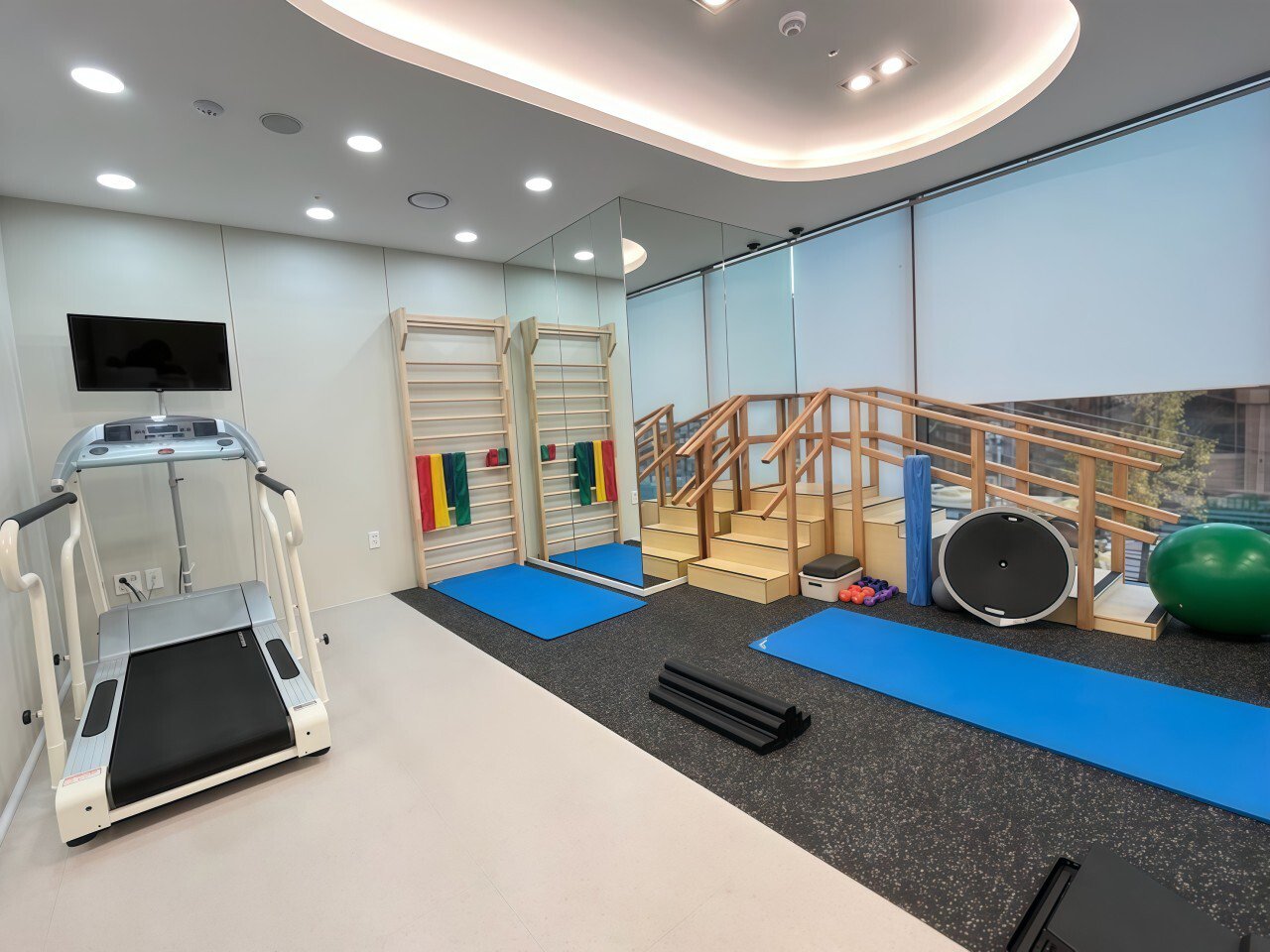
Recovery planning begins before treatment. An Achilles tendon injury can temporarily affect walking, driving, work, and exercise, so it helps to discuss these activities with the medical staff early. The plan will depend on the injury and the treatment selected. Follow the attending doctor’s instructions for protecting the tendon and progressing activity. Rehabilitation is an important part of care, but its pace should be tailored to the individual.
Protecting the tendon as it heals
After treatment for a rupture, the ankle may need protection while the tendon heals. The attending doctor will explain the appropriate support, movement restrictions, and any limits on weight-bearing. These instructions can differ according to the injury and treatment plan. Do not assume that an exercise or stretch recommended for general heel discomfort is suitable after a tendon rupture or repair.
Ask how to manage everyday tasks while your mobility is limited. You may need to plan for transportation, household responsibilities, and time away from activities that place stress on the ankle. If you use mobility aids or protective support, ask the medical staff how to use them safely. Follow-up visits give the attending doctor an opportunity to review healing and adjust the plan when appropriate. Keep a record of questions that come up between appointments, particularly if you are unsure whether an activity is allowed. If new or concerning symptoms develop, contact the medical staff rather than trying to change the treatment plan on your own.
Recovery is a planned part of Achilles tendon treatment, not an afterthought. Clear instructions about protection, follow-up, and activity make it easier to manage the period of healing.
Returning to everyday activity
Returning to activity is usually a gradual process. The timing depends on the injury, the treatment used, and how the tendon and surrounding muscles respond during recovery. The attending doctor can advise when particular activities are appropriate and what rehabilitation should focus on at each stage. Progress is individual, so an early return should not be assumed simply because pain has lessened.
Discuss the activities you want to resume, whether that means walking comfortably, returning to work, or participating in sport. Each places different demands on the ankle, and the medical staff can explain how those demands affect planning. Ask which movements to avoid, how to recognize a concerning change, and what to do if symptoms increase. It is also helpful to review practical barriers, such as stairs at home or a job that requires prolonged standing. A rehabilitation plan should be manageable as well as clinically appropriate. If a task is difficult to carry out, tell the medical staff so the concern can be addressed during follow-up.
Preparing for a consultation
Bring a list of your symptoms, current medications, relevant health conditions, and any previous treatment for the ankle. If you have records or imaging results from earlier care, bring them as well. Think about the activities you want to return to and the questions you have about surgery, nonsurgical treatment, and recovery. These details help the attending doctor understand your priorities.
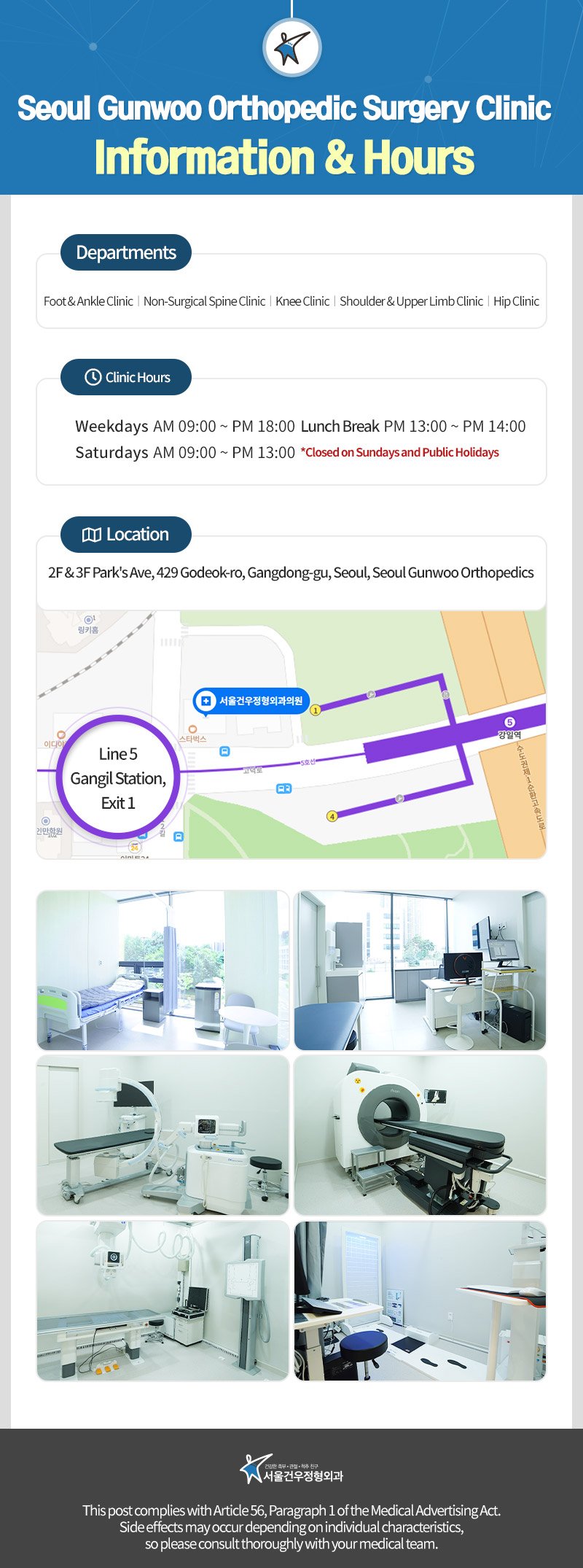
Seoul Gunwoo Orthopedic Surgery Clinic is at 2F–3F, 429 Godeok-ro, Gangdong-gu, Seoul, Republic of Korea, in front of Gangil Station Exit 1. For appointment inquiries, call 02-426-9876. During your visit, ask the medical staff to explain the proposed next steps, including any follow-up and the precautions appropriate to your injury.
| Preparation | What to bring or note |
|---|---|
| Symptoms | When they began and which activities are affected. |
| Medical history | Relevant conditions, medications, and previous ankle treatment. |
| Records | Previous medical records or imaging results, if available. |
| Goals | Work, daily activities, or exercise you hope to resume. |
Before the appointment ends, review the main points with the attending doctor: the diagnosis, the recommended treatment, and the immediate precautions. If a decision requires more discussion, ask about the considerations that apply to your injury. Cost and the details of care depend on the individual plan, so raise practical questions during the consultation. A clear understanding of the next step can help you prepare for treatment and follow-up.
Frequently Asked Questions
Q.What does Seoul Gunwoo Orthopedic Surgery Clinic offer for Achilles tendon concerns?
A.Seoul Gunwoo Orthopedic Surgery Clinic provides orthopedic care for Achilles tendon concerns. Its published surgical work includes Achilles tendon repair.
Q.Who should consider an appointment for an Achilles tendon problem?
A.An appointment may be useful for someone with pain, swelling, stiffness, or weakness around the back of the ankle or heel. A sudden pop or difficulty pushing off warrants prompt medical assessment.
Q.Is surgery always needed for an Achilles tendon injury?
A.No. Treatment depends on the diagnosis and individual circumstances; the attending doctor can discuss whether surgical or nonsurgical care is appropriate.
Q.What should I prepare before an appointment?
A.Note when your symptoms began, how they affect your activities, and any previous ankle treatment. Bring relevant medical records and a list of medications if available.
Q.How can I contact Seoul Gunwoo Orthopedic Surgery Clinic?
A.Call the clinic using the appointment inquiry number listed above. The clinic is in front of Gangil Station Exit 1.
Clinic Information
| Clinic | Seoul Gunwoo Orthopedic Surgery Clinic |
|---|---|
| Specialty | Orthopedics |
| Address | 2F-3F, 429, Godeok-ro, Gangdong-gu, Seoul, Republic of Korea |
| Phone | 02-426-9876 |
| Website | https://seoulfoot.sillajewelry.com |
| Specialist | Specialist care |
 Seoul Gunwoo Orthopedic Surgery Clinic