
Foot and ankle orthopedic specialist in Seoul: conditions we assess
Foot and ankle pain can affect walking, exercise, and everyday routines. At Seoul Gunwoo Orthopedic Surgery Clinic, orthopedic care includes assessment of bunions, ankle ligament concerns, Achilles tendon problems, heel pain, and plantar fasciitis. The appropriate next step depends on the symptoms and clinical findings, rather than the name of a condition alone. A focused assessment helps connect the location and pattern of discomfort with a suitable care plan. The clinic also has diagnostic equipment and rehabilitation facilities in one building.
When foot or ankle pain needs assessment
Consider an orthopedic assessment when discomfort is persistent, keeps returning, or interferes with walking and other regular activities. Ankle instability, pain around the heel, or a noticeable bunion may also warrant evaluation, particularly if symptoms change how you move. A clinician can ask about when the problem began, what activities affect it, and whether there was an injury. These details help guide an examination and decisions about further assessment.
Foot and ankle symptoms can have different causes, and similar complaints do not necessarily call for the same treatment. Heel pain, for example, may be assessed in relation to plantar fasciitis, while ankle symptoms may involve ligament or cartilage concerns. The clinician considers the history and examination together, and may use imaging or movement-related assessment when appropriate. Do not assume that a painful area identifies the exact cause. Discussing how symptoms affect daily activity can help the medical staff understand what needs attention and which options are relevant.
Foot and ankle symptoms are best approached by considering their pattern, impact, and clinical findings together. An assessment can help clarify which care options are appropriate for the individual situation.
Bunion and ankle ligament concerns
A bunion is a structural change near the base of the big toe that may be associated with discomfort or difficulty with footwear. Ankle ligament problems can involve pain or a feeling of instability, sometimes after an injury. Seoul Gunwoo Orthopedic Surgery Clinic provides care for bunions and ankle ligament concerns, with the assessment guided by the condition and its effect on function. Care decisions are made according to individual findings.
At a consultation, the medical staff may ask about the onset of symptoms, any previous injury, and the activities that aggravate the problem. An examination can help determine whether additional diagnostic steps are useful. The clinic’s published surgical work includes bunion procedures and ankle ligament repair and reconstruction, but surgery is not the automatic response to a diagnosis. Treatment is considered in light of the clinical assessment and the patient’s circumstances. Ask about the purpose of any recommended procedure, expected recovery considerations, and available alternatives before deciding how to proceed. A clear discussion helps ensure that the plan addresses the actual concern rather than a general description of the condition.
Heel pain and Achilles tendon symptoms
Heel pain and Achilles tendon symptoms can make standing, walking, and exercise uncomfortable. The clinic’s care for heel pain and plantar fasciitis includes assessment, stretching, shockwave therapy, and a discussion of persistent symptoms. Achilles tendon care is also offered. The choice of care depends on the clinical assessment and the person’s symptoms.
During an assessment, it is useful to describe where discomfort is located, when it is most noticeable, and whether it changes with activity or rest. The clinician can consider these details alongside examination findings and decide whether imaging or another assessment is appropriate. Stretching and shockwave therapy are among the options used in the clinic’s heel pain and plantar fasciitis care; the consultation can address whether they fit the situation. The clinic’s published surgical work also includes Achilles tendon repair. That does not mean a surgical procedure is needed for every tendon complaint. Persistent or changing symptoms should be discussed with the medical staff so the next step can be based on an individual evaluation.
How diagnostic resources support care
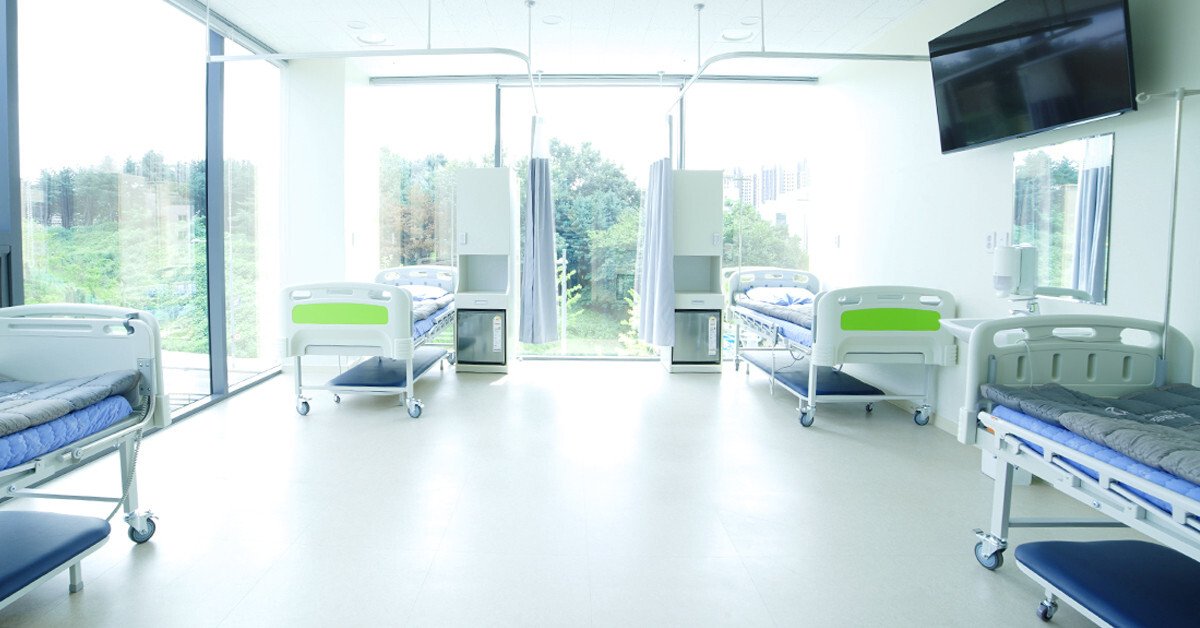
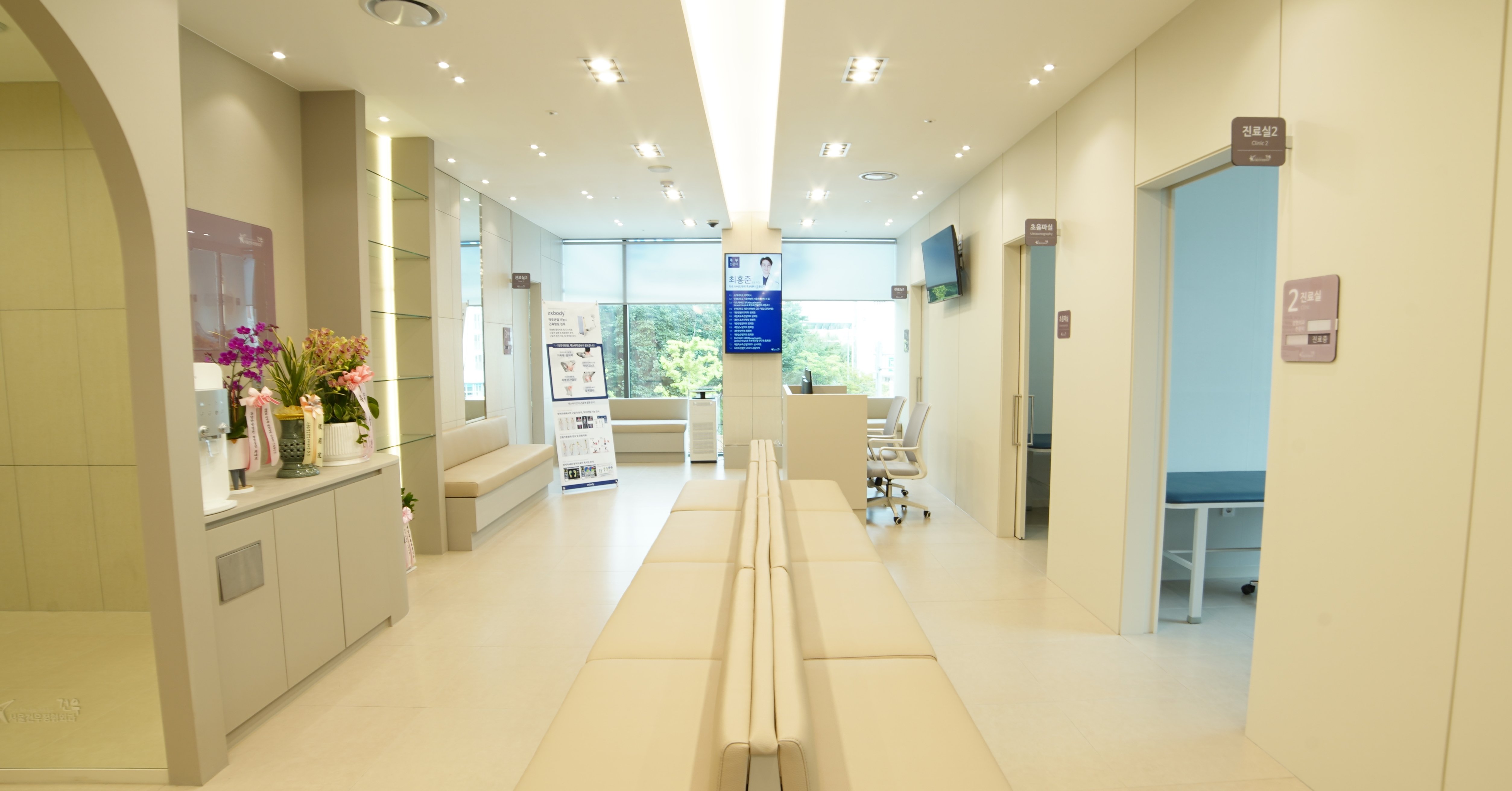
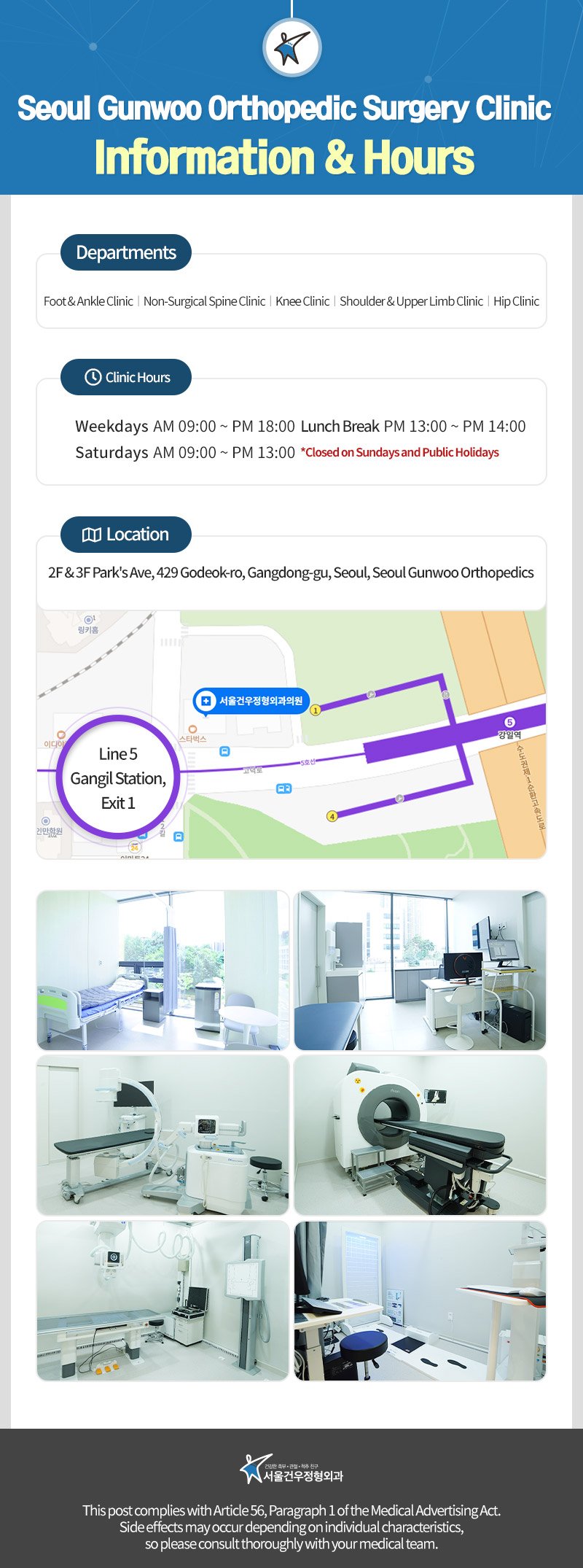
Seoul Gunwoo Orthopedic Surgery Clinic has CT, ultrasound, gait analysis, and rehabilitation in one building, along with operating rooms and inpatient rooms. These resources can support assessment and care planning when clinically appropriate. Their presence does not mean every patient needs every test. The medical staff can explain which assessment is relevant to a particular concern.
Diagnostic tools answer different questions. Imaging can help evaluate structures, while gait analysis can contribute information about movement. A clinician interprets any findings in context rather than relying on a test result alone. The clinic also lists foot and ankle ultrasound and gait-related assessments among its non-covered fees. Ask what a recommended assessment is intended to evaluate and whether it has a separate charge before proceeding. This makes it easier to understand how a test fits into the overall plan and what information it may provide.
Foot and ankle orthopedic specialist in Seoul: assessment and treatment options
Care begins with understanding the symptoms and examining the relevant area. Depending on the concern, the discussion may include non-surgical care, diagnostic assessment, rehabilitation, or a procedure. Seoul Gunwoo Orthopedic Surgery Clinic provides care for bunions, ankle ligaments, Achilles tendons, heel pain, and plantar fasciitis. Published surgical work also covers ankle cartilage, ankle arthritis, and fractures. Recommendations depend on the individual assessment, and a listed service does not mean every patient needs that treatment.
What to expect during an assessment
The consultation can cover when symptoms began, what makes them better or worse, and how they affect daily movement. If there has been an injury or a previous episode, share that history as clearly as possible. The clinician may examine the affected area and decide whether diagnostic tools such as ultrasound or CT are relevant. This process helps frame the discussion around the specific concern rather than a general treatment description.
Bring a concise account of your symptoms and any questions you want answered. It can be helpful to note activities that trigger discomfort and whether the issue has changed over time. If you have previously undergone an evaluation or treatment for the same problem, tell the medical staff. The clinic has diagnostic resources including CT, ultrasound, and gait analysis, but the clinician determines whether a particular assessment is appropriate. Before agreeing to a test or procedure, ask what it is intended to clarify, what the next steps might be, and whether any non-covered fee applies. A clear exchange of information supports a more useful and informed consultation.
A consultation brings the symptom history, examination, and any relevant diagnostic findings together. The care plan can then be discussed in relation to the specific condition and the patient’s needs.
Non-surgical care and rehabilitation
Some foot and ankle concerns are managed without surgery. For heel pain and plantar fasciitis, the clinic describes assessment, stretching, shockwave therapy, and discussion of persistent symptoms. Rehabilitation is available in the same building. Whether a particular option is suitable depends on the clinical findings and the person’s symptoms, so treatment should be discussed with the medical staff.
Non-surgical care is not a single standard plan. The clinician can explain which measures relate to the diagnosis, how they fit into daily activities, and what follow-up may be appropriate. For heel or plantar fascia symptoms, the clinic’s published approach includes stretching and shockwave therapy, alongside assessment and discussion when symptoms persist. Rehabilitation facilities are also available in the building. Ask how each recommended step is intended to address your concern and how progress will be reviewed. Changes may take time depending on individual condition. If symptoms continue or change, share that information at follow-up so the care plan can be reconsidered as needed.
Surgical care and published non-covered fees
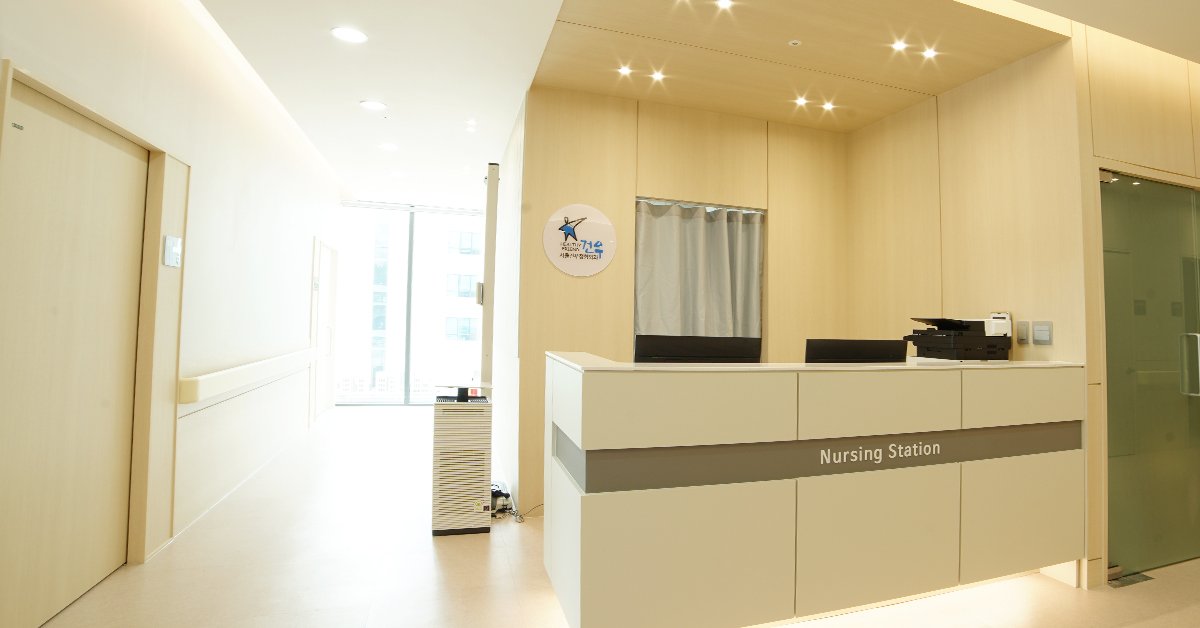
The clinic’s published surgical work includes procedures for bunions, ankle ligament repair and reconstruction, Achilles tendon repair, ankle cartilage, ankle arthritis, and fractures. Whether surgery is considered depends on the diagnosis and clinical assessment. The clinic also lists selected non-covered fees for diagnostic services and room surcharges. These charges are not a surgery package, and the fees below apply only to the named items.
When surgery is discussed, ask what the procedure is intended to address, what alternatives are relevant, and what recovery and rehabilitation may involve. The clinic has operating rooms and inpatient rooms in the same building. A procedure should be considered in light of individual findings, not simply because it appears among the clinic’s published surgical services. For non-covered items, confirm the applicable charge before receiving the service. The listed diagnostic and room fees should not be interpreted as the cost of an operation.
| Non-covered item | Published fee |
|---|---|
| Ankle ultrasound | ₩80,000–140,000 |
| Foot ultrasound | ₩80,000–140,000 |
| Gait analysis | ₩50,000 |
| Motion analysis | ₩70,000 |
| Dynamic plantar-pressure measurement | ₩100,000 |
| Motion analysis plus dynamic plantar pressure | ₩150,000 |
| Single-room surcharge | ₩200,000 |
| Twin-room surcharge | ₩100,000 |
| Special single-room surcharge | ₩250,000 |
These are selected non-covered fees for the items named above. They do not represent the full cost of care or a surgical package. The clinic also lists an English medical certificate at ₩20,000. For a planned consultation or procedure, ask which services apply to your situation and confirm the relevant fee before receiving care. Pricing for one listed item should not be taken to describe another service.
Foot and ankle orthopedic specialist in Seoul: choosing and preparing for care
Choosing where to seek care involves more than finding a service that matches a symptom. Consider whether the clinic assesses the concern, explains relevant options, and has resources that may support the plan. Seoul Gunwoo Orthopedic Surgery Clinic provides orthopedic care across several foot and ankle conditions and has diagnostic and rehabilitation resources in one building. Preparing a clear symptom history and asking focused questions can make a consultation more productive.
Who may benefit from an orthopedic consultation
An orthopedic consultation may be relevant for people with bunion concerns, ankle ligament symptoms, Achilles tendon problems, heel pain, plantar fasciitis, or other foot and ankle issues. It can also be useful when symptoms persist, return, or interfere with usual activities. The medical staff can assess the concern and discuss which care options are relevant based on the findings.
People respond differently to pain and movement changes, so there is no single symptom pattern that defines when everyone should seek care. Consider an assessment if discomfort is affecting walking or daily routines, if an ankle feels unstable, or if heel or tendon symptoms are not settling. At the consultation, describe the problem in practical terms: where it hurts, when it occurs, and which activities are affected. The clinic provides care for a range of foot and ankle concerns, but the appropriate service depends on the individual situation. A clinical assessment can help distinguish among possible causes and guide a discussion of next steps.
The right time to seek care depends on how symptoms affect movement and daily life. Sharing a clear history helps the clinician assess the concern and discuss relevant options without assuming that one treatment fits everyone.
Preparing for your visit
Before your visit, note when the symptoms started, what activities affect them, and whether they are changing. If you have had a related injury or previous care, be ready to describe it. Bring questions about examination, imaging, treatment options, and any non-covered charges that may apply. These details can help keep the consultation focused on your needs.
Think about your main goal for the visit, such as understanding persistent heel pain or discussing an ankle problem that affects walking. If you are concerned about a recommended test or treatment, ask what it is meant to clarify and what alternatives may be considered. The clinic has CT, ultrasound, gait analysis, and rehabilitation in one building; the clinician can determine whether any of these resources are relevant. For services with a listed non-covered fee, clarify the charge before proceeding. There is no need to assume that every consultation involves imaging, a procedure, or a specific treatment. The clinical assessment guides those decisions.
Clinic location and care team
Seoul Gunwoo Orthopedic Surgery Clinic is located at 2F-3F, 429, Godeok-ro, Gangdong-gu, Seoul, Republic of Korea, in front of Gangil Station Exit 1. The clinic’s care team includes Dr. Choi Hong Joon, whose background includes foot and ankle medicine, clinical practice, and research, and Dr. Min Kyong Dae, whose profile lists orthopaedic, arthroscopy, and sports-medicine training. Contact the clinic to discuss visiting or booking.
The clinic’s work includes assessment and care for bunions, ankle ligament concerns, Achilles tendon problems, and heel pain and plantar fasciitis. Its facilities include operating rooms, inpatient rooms, CT, ultrasound, gait analysis, and rehabilitation in one building. The relevant clinician and services depend on the concern being assessed. If you are planning a visit, have your symptom history and questions ready so you can discuss them during the consultation. Contact Seoul Gunwoo Orthopedic Surgery Clinic at 02-426-9876 for booking or visit-related inquiries.
For directions, use the clinic’s address and its location in front of Gangil Station Exit 1. For questions about fees, explain which service you are asking about, since published charges apply to specific non-covered items rather than to care as a whole. If you are unsure which type of assessment relates to your symptoms, describe the concern when contacting the clinic. That can help direct your inquiry without presuming a diagnosis or treatment.
Frequently Asked Questions
Q.What kind of orthopedic care does Seoul Gunwoo Orthopedic Surgery Clinic provide?
A.Seoul Gunwoo Orthopedic Surgery Clinic provides care for bunions, ankle ligament concerns, Achilles tendon problems, heel pain, and plantar fasciitis. Its published surgical work also covers ankle cartilage, ankle arthritis, and fractures.
Q.Who may consider an appointment at Seoul Gunwoo Orthopedic Surgery Clinic?
A.People with persistent or recurring foot and ankle symptoms, or discomfort affecting walking and everyday activities, may consider an orthopedic assessment. The appropriate care depends on the clinical findings.
Q.What assessment and treatment options are available?
A.Care may include assessment, stretching, and shockwave therapy for heel pain and plantar fasciitis, as well as discussion of persistent symptoms. CT, ultrasound, gait analysis, and rehabilitation are available in the same building, when relevant to the care plan.
Q.What should I prepare before visiting?
A.Note when symptoms began, what affects them, and whether they have changed. Selected published non-covered fees include foot or ankle ultrasound at ₩80,000–140,000 and gait analysis at ₩50,000.
Q.Where is Seoul Gunwoo Orthopedic Surgery Clinic, and how can I contact it?
A.The clinic is at 2F-3F, 429, Godeok-ro, Gangdong-gu, Seoul, Republic of Korea, in front of Gangil Station Exit 1. Call 02-426-9876 for booking or visit-related inquiries.
Clinic Information
| Clinic | Seoul Gunwoo Orthopedic Surgery Clinic |
|---|---|
| Specialty | Orthopedics |
| Address | 2F-3F, 429, Godeok-ro, Gangdong-gu, Seoul, Republic of Korea |
| Phone | 02-426-9876 |
| Website | https://seoulfoot.sillajewelry.com |
| Specialist | Specialist care |
 Seoul Gunwoo Orthopedic Surgery Clinic