
Choosing an Achilles tendon reconstruction hospital in Seoul
When looking for an Achilles tendon reconstruction hospital in Seoul, check whether the clinic evaluates Achilles conditions and can explain which procedure is appropriate for your specific injury. Reconstruction and repair are not interchangeable labels, so ask the medical staff to describe the proposed treatment and its rationale. Seoul Gunwoo Orthopedic Surgery Clinic provides orthopaedic care and lists Achilles tendon repair among its surgical work. Discussing the exact diagnosis and surgical plan directly with the attending doctor is an important first step.
Clarify the diagnosis and treatment plan
The Achilles tendon connects the calf muscles to the heel and plays a central role in walking and pushing off the ground. Pain, weakness, or a sudden change in function can have different causes, so a careful assessment matters before considering surgery. A medical evaluation may include a review of symptoms, examination, and imaging as appropriate. The purpose is to understand the tendon’s condition and determine whether treatment should be non-surgical or surgical.
At Seoul Gunwoo Orthopedic Surgery Clinic, Achilles tendon care is part of its foot and ankle services, and its published surgical work includes Achilles tendon repair. The available information does not establish that every case requires reconstruction or that reconstruction is the same as repair. Ask the doctor to explain the name and scope of the procedure being proposed, the findings that support it, and the alternatives under consideration. A clear explanation should connect the diagnosis to the recommended treatment, rather than relying on a procedure label alone.
Choosing a clinic for Achilles tendon surgery means confirming that the team assesses Achilles conditions and clearly explains the proposed operation. Ask whether the recommendation is repair, reconstruction, or another form of care, and how the diagnosis supports that plan.
Consider the clinic’s foot and ankle experience
Relevant experience is one part of an informed choice. The clinic’s published services include Achilles tendon care, along with care for ankle ligaments, bunions, ankle cartilage, arthritis, and fractures. This provides a useful context for a discussion about foot and ankle concerns. It does not, by itself, determine which procedure is right for an individual; that decision depends on a clinical assessment and the specific tendon findings.
The clinic profile describes Dr. Choi Hong Joon as having a background in foot and ankle medicine, clinical practice, and research. It lists a PhD in Medicine from Korea University, a fellowship at Seoul Foot Center, Inje University Seoul Paik Hospital, and a former visiting professorship at the Foot & Ankle Center at Massachusetts General Hospital. The profile also lists Dr. Min Kyong Dae as an orthopaedic specialist with arthroscopy and sports-medicine training, research experience, an adjunct professorship at Yonsei University, and a fellowship at Stanford University Sports Center. These details can help patients prepare questions about who will assess their case and how the care team approaches it.
Check what is available in the care setting
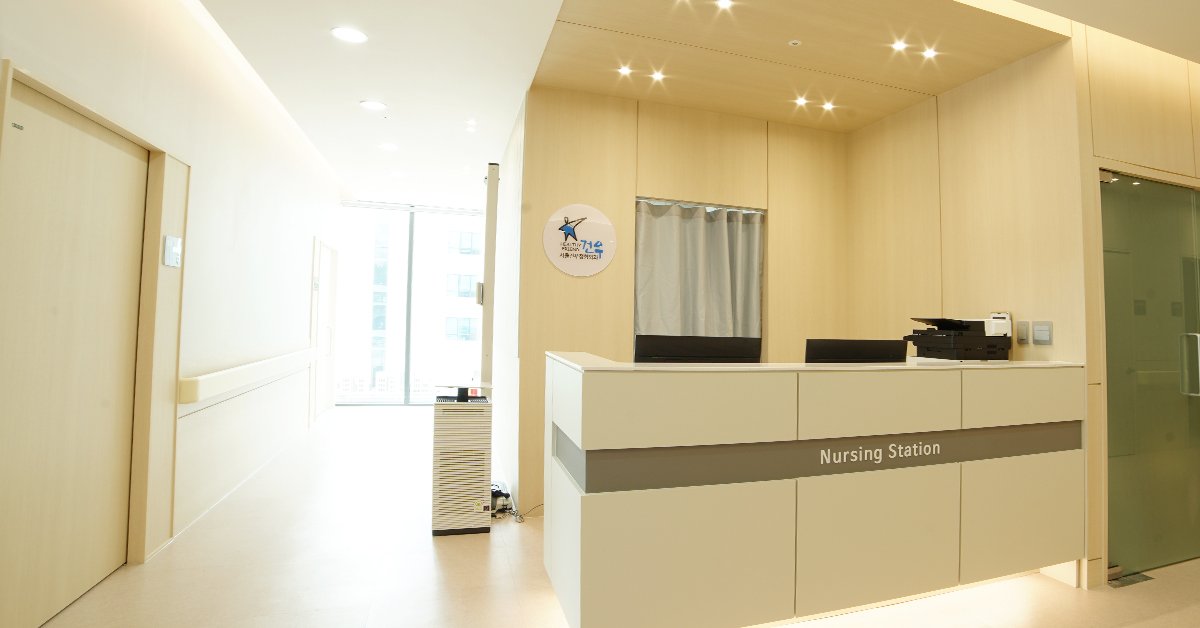
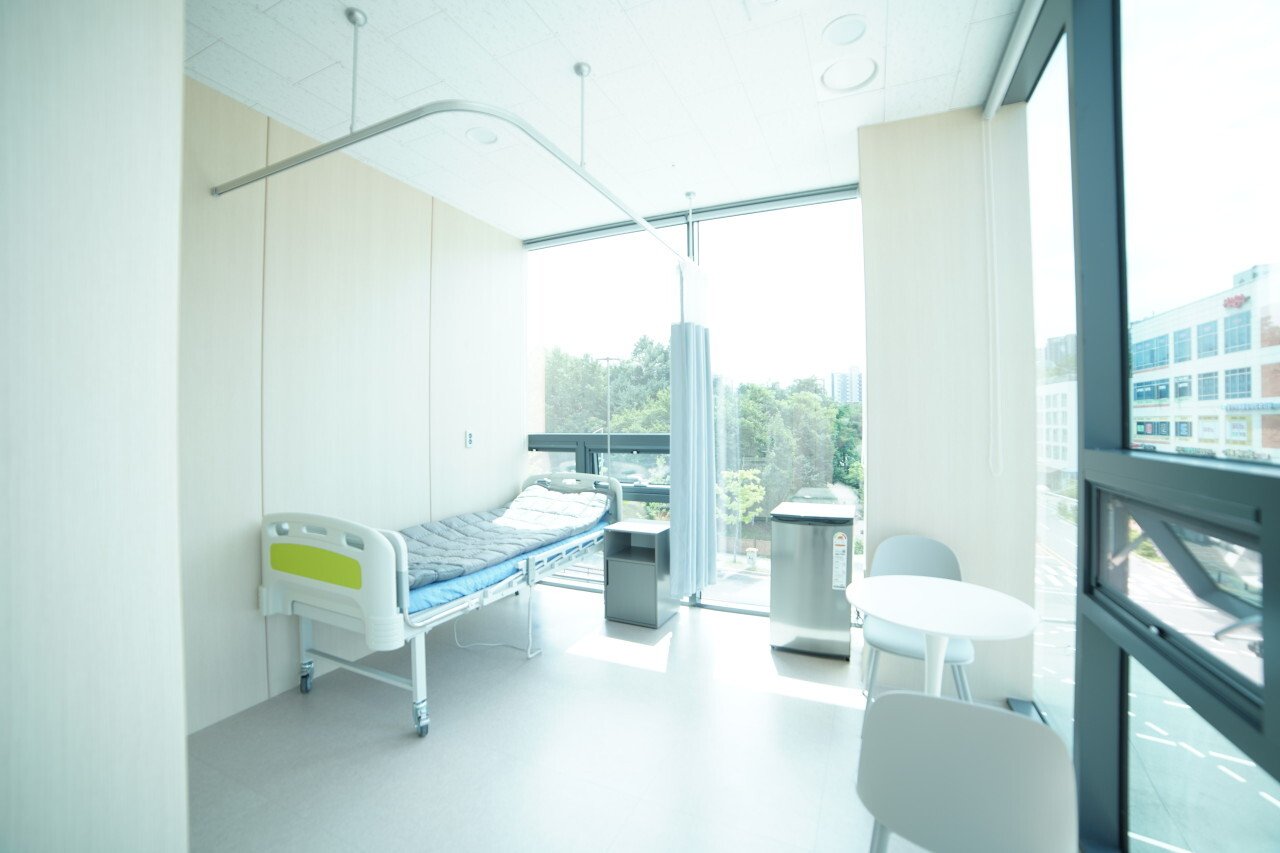
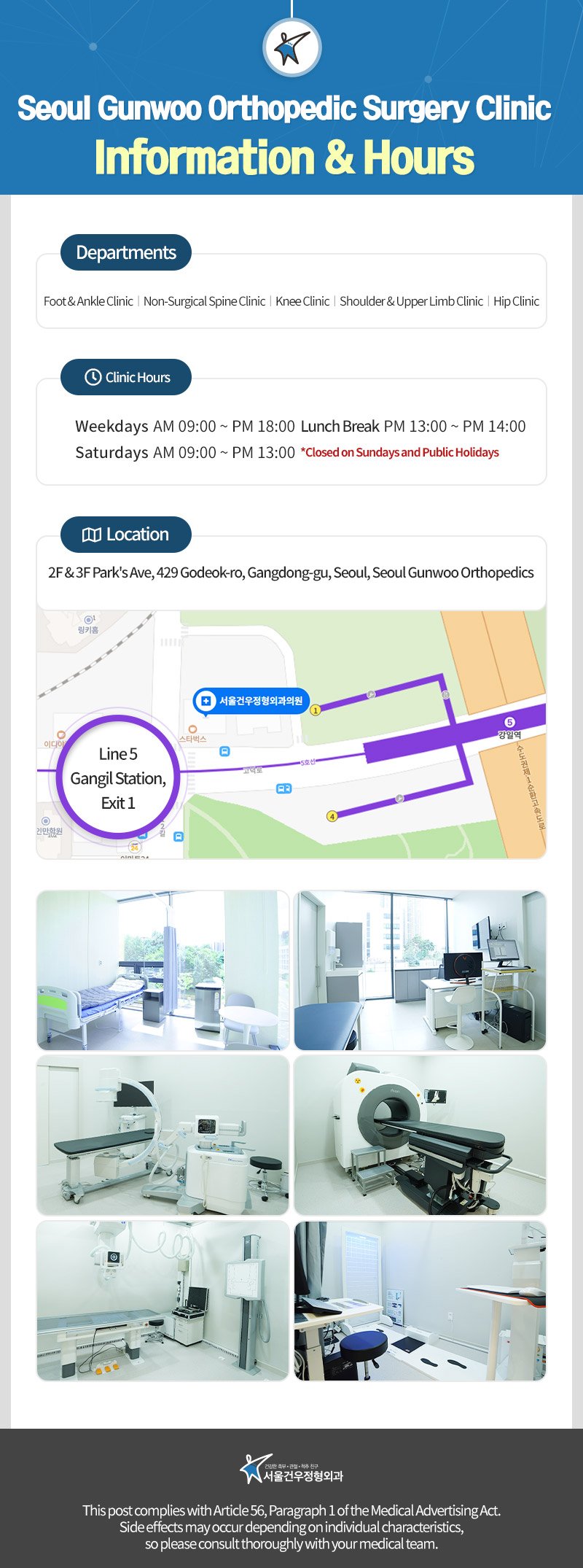
Care may involve more than the operation itself. Seoul Gunwoo Orthopedic Surgery Clinic lists operating rooms, inpatient rooms, CT, ultrasound, gait analysis, and rehabilitation in one building. Having these services at the same site can be relevant when discussing assessment and recovery planning, though the specific tests or services used depend on the patient’s needs. Ask which facilities are relevant to your evaluation and proposed care, rather than assuming every patient needs every service.
A useful consultation should make room for questions about the diagnosis, the purpose of any imaging, and the intended next steps. If surgery is being considered, ask what the procedure involves, how the care team plans to monitor progress, and what rehabilitation arrangements may be appropriate. Patients can also bring previous medical records or imaging if available, along with a concise account of when symptoms began and how they affect daily activities. That information can support a focused discussion without presuming a particular treatment is necessary.
Achilles tendon reconstruction hospital in Seoul: evaluation and treatment
Evaluation helps distinguish the type and extent of an Achilles tendon problem before a treatment decision is made. A clinician considers the patient’s symptoms and examination findings and may use imaging when appropriate. Seoul Gunwoo Orthopedic Surgery Clinic lists Achilles tendon care and Achilles tendon repair among its services, as well as ultrasound and CT facilities. The choice of investigation and treatment should be individualized; a website service listing cannot determine whether a particular person needs surgery or reconstruction.
What an assessment may involve
At an appointment, describe when the pain or weakness started, whether it followed a specific event, and how it affects walking or other activities. Mention any prior treatment or diagnosis and bring relevant records if you have them. The medical staff can assess the symptoms and decide whether further evaluation is appropriate. The findings guide the discussion about treatment options, which may include non-surgical care or a procedure depending on the condition.
Imaging is considered in the context of the clinical assessment. The clinic lists ultrasound and CT among its facilities, and foot or ankle ultrasound as a service. This does not mean that every patient needs imaging or that ultrasound alone establishes the full treatment plan. Ask what the test is intended to clarify and how the result may affect the recommendation. If surgery is discussed, ask the doctor to explain whether the proposed operation is a repair or reconstruction and what the terms mean in your case. Understanding the purpose of each step makes it easier to take part in decisions about care.
A sound treatment discussion begins with symptoms, examination, and relevant investigations—not with an assumption that surgery is required. Ask how the findings support the recommended option and what the procedure name means for your individual case.
Understand the difference between repair and reconstruction
Achilles tendon repair is listed among the clinic’s published surgical services. Reconstruction is a term used for a surgical approach intended to address a tendon problem that may require more than a straightforward repair. The exact meaning and technique depend on the case, so patients should not infer that a general service listing confirms a specific reconstruction method is offered. The attending doctor can explain the proposed procedure and its goals after reviewing the diagnosis.
Before agreeing to an operation, ask what the evaluation has shown, why the suggested procedure is preferred, and whether other options are appropriate. It is also reasonable to ask about the expected care pathway, including hospital stay if relevant, rehabilitation, and follow-up. The clinic lists operating rooms, inpatient rooms, and rehabilitation in one building, but the plan for an individual patient depends on medical assessment. Request a plain-language explanation of the procedure, anticipated recovery considerations, and issues that could change the plan. This helps keep expectations aligned with the actual treatment rather than with general descriptions of tendon surgery.
Review evaluation services and listed fees
Some assessment services have published non-covered fees. The listed charges below apply to the named services only; they are not estimates for Achilles surgery or a surgical package. Ask the clinic which examinations are relevant to your case and whether a specific fee applies before proceeding. The medical team can explain the clinical reason for a test, while the administrative team can clarify the charge associated with that service.
Published fees include foot and ankle ultrasound, gait analysis, motion analysis, and dynamic plantar-pressure measurement. The clinic also lists a combined motion-analysis and dynamic plantar-pressure service. These assessments do not replace a clinical examination, and not every patient will need them. Use the fee information as a guide to the listed service only, not as a proxy for the total cost of tendon treatment. Surgical fees are not represented by these diagnostic charges. Confirm any procedure-related costs directly during consultation before making financial decisions.
| Listed service | Published non-covered fee |
|---|---|
| Ankle ultrasound | ₩80,000–140,000 |
| Foot ultrasound | ₩80,000–140,000 |
| Gait analysis | ₩50,000 |
| Motion analysis | ₩70,000 |
| Dynamic plantar-pressure measurement | ₩100,000 |
| Motion analysis with dynamic plantar-pressure measurement | ₩150,000 |
Fees can depend on the specific service selected, and the listed figures are for the named non-covered items, not for tendon surgery. Before arranging an examination, ask which test is being recommended and confirm its charge. For a procedure or broader treatment plan, request a separate explanation of the costs that apply to your care. This distinction helps prevent diagnostic-service fees from being mistaken for the cost of an operation.
Preparing to visit an Achilles tendon reconstruction hospital in Seoul
Preparation helps make a consultation more focused and supports a clear conversation about treatment choices. Before visiting Seoul Gunwoo Orthopedic Surgery Clinic, note your symptoms, when they began, and any changes in mobility or daily activities. Bring relevant test results or medical records if available, and prepare questions about diagnosis, procedure type, and rehabilitation. The aim is to leave with a clear understanding of the next step, whether that is further evaluation, non-surgical care, or discussion of surgery.
Bring useful information to the appointment
A concise symptom history can help the medical staff understand the problem. Note whether the discomfort began suddenly or gradually, what activities affect it, and whether you have received previous care. Bring earlier imaging or reports if you have them. A list of current medications and relevant health conditions can also help the attending doctor review your situation. These details do not replace an examination, but they can make the consultation more efficient.
Consider writing down the questions that matter most to you before the visit. For example, ask what the diagnosis is, whether additional imaging is needed, and what treatment options are appropriate. If surgery is proposed, clarify whether it is described as Achilles tendon repair or reconstruction, what the procedure is intended to address, and how follow-up and rehabilitation are planned. The clinic lists rehabilitation, operating rooms, and inpatient rooms in its building, but the care pathway is individual. Bring your questions in writing so that practical details are not overlooked during the discussion.
Arriving with a symptom timeline, relevant records, and written questions can make the consultation more useful. Focus on understanding the diagnosis, the proposed treatment, and the next steps rather than assuming that one procedure fits every tendon injury.
Discuss recovery and follow-up before treatment
Recovery planning is part of deciding whether and how to proceed with treatment. Ask the attending doctor what follow-up is anticipated and whether rehabilitation is recommended for your situation. The clinic lists rehabilitation in the same building as its other facilities. The specific plan, including its timing and content, should be discussed in light of your diagnosis and treatment rather than assumed in advance.
Before a procedure, make sure you understand any instructions that apply to your own care and whom to contact if questions arise. Ask how progress will be reviewed and what changes should prompt a call to the clinic. If a surgical plan is under consideration, discuss the intended treatment, likely recovery considerations, and practical arrangements for getting home and attending follow-up. These questions are useful whether the recommendation is repair, reconstruction, or another approach. Individualized guidance from the treating medical staff is more relevant than a general recovery timeline.
Contact and location details
Seoul Gunwoo Orthopedic Surgery Clinic is an orthopaedic clinic located at 2F-3F, 429, Godeok-ro, Gangdong-gu, Seoul, Republic of Korea. The clinic’s facilities include operating rooms, inpatient rooms, CT, ultrasound, gait analysis, and rehabilitation in one building. If you are considering an appointment about Achilles tendon symptoms, contact the clinic to ask about arranging a consultation and what records may be useful to bring.
For a visit, keep the clinic’s address and contact number available and allow time to explain your symptoms and ask questions about the evaluation. You can call Seoul Gunwoo Orthopedic Surgery Clinic at 02-426-9876. If you have prior imaging or medical records, bring them when relevant. A consultation can help clarify the diagnosis and whether the clinic’s listed Achilles tendon repair service or another form of care is relevant to your case.
Before deciding on treatment, confirm the proposed procedure and the costs that apply to it directly with the clinic. Published charges for diagnostic services should not be treated as a surgical quote. The medical staff can discuss clinical recommendations, while the clinic can clarify appointment arrangements and applicable fees. Keeping these questions separate makes the conversation more precise and helps you understand both the medical plan and the practical details.
Frequently Asked Questions
Q.What kind of clinic is Seoul Gunwoo Orthopedic Surgery Clinic?
A.Seoul Gunwoo Orthopedic Surgery Clinic provides orthopaedic care, including foot and ankle services. Its published surgical work includes Achilles tendon repair.
Q.Who should consider an Achilles tendon assessment at Seoul Gunwoo Orthopedic Surgery Clinic?
A.People with Achilles tendon symptoms or concerns can arrange an orthopaedic assessment. The appropriate treatment depends on the findings of an individual evaluation.
Q.What Achilles tendon treatment does Seoul Gunwoo Orthopedic Surgery Clinic list?
A.The clinic lists Achilles tendon care and Achilles tendon repair among its services. A consultation can clarify the diagnosis and whether repair, reconstruction, or another approach is appropriate.
Q.What should I bring to an appointment?
A.Bring relevant medical records or imaging if available, and note when symptoms began and how they affect your activities. Ask the clinic about any appointment-specific instructions.
Q.Where is Seoul Gunwoo Orthopedic Surgery Clinic, and how can I contact it?
A.The clinic is at 2F-3F, 429, Godeok-ro, Gangdong-gu, Seoul, Republic of Korea. Call 02-426-9876 for appointment inquiries.
Clinic Information
| Clinic | Seoul Gunwoo Orthopedic Surgery Clinic |
|---|---|
| Specialty | Orthopedics |
| Address | 2F-3F, 429, Godeok-ro, Gangdong-gu, Seoul, Republic of Korea |
| Phone | 02-426-9876 |
| Website | https://seoulfoot.sillajewelry.com |
| Specialist | Specialist care |
 Seoul Gunwoo Orthopedic Surgery Clinic