
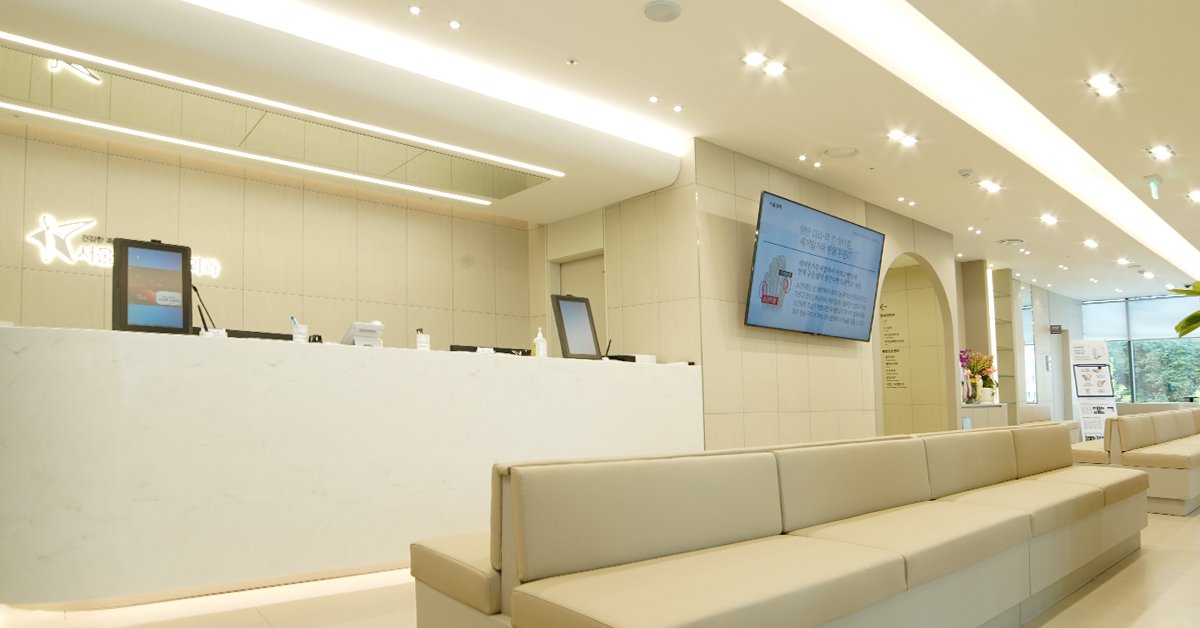
Choosing a Hallux Valgus Treatment Hospital in Seoul
Hallux valgus is a change in the alignment of the big toe that can create a bump at the base of the toe. Symptoms and their effect on daily activities differ from person to person, so choosing a treatment setting starts with a careful assessment rather than a procedure name alone. Seoul Gunwoo Orthopedic Surgery Clinic provides orthopedic care for bunions and lists MICA minimally invasive bunion surgery among its surgical techniques. A consultation can help clarify whether the focus should be on symptom management, further assessment, or discussing surgery.
Start with symptoms and daily activities
When considering care, note where discomfort occurs, which activities bring it on, and whether particular shoes make it harder to walk comfortably. Also mention any changes in the toe’s position and how long the symptoms have affected your routine. These details give the medical staff useful context for the assessment. A visible bunion does not, by itself, explain how much it affects an individual or determine which treatment is appropriate.
At Seoul Gunwoo Orthopedic Surgery Clinic, the consultation can be used to discuss your symptoms and the goals that matter in daily life. The medical staff can assess the foot and consider whether imaging or other evaluation would help clarify the situation. The clinic has CT and ultrasound equipment, as well as gait analysis, in the same building. These are available resources, but the appropriate assessment depends on the individual case. Be prepared to describe your concerns in practical terms, such as discomfort during walking or difficulty wearing certain footwear, rather than assuming a specific treatment is needed.
Hallux valgus care begins with understanding the person’s symptoms and how the foot affects daily activity. A treatment discussion should follow an assessment, not precede it.
Understand the available bunion care
Bunion care can involve assessment and a discussion of suitable options. The clinic’s published surgical techniques include MICA, a minimally invasive approach to bunion surgery. The name of a technique alone does not show whether it is suitable for a particular foot; that depends on the clinical assessment and individual circumstances. Ask the medical staff to explain the purpose of any recommended approach and how it relates to your symptoms.
A useful consultation covers what the assessment shows, what options are being considered, and what each option is intended to address. If surgery is discussed, ask about the planned procedure, the role of fixation, and what recovery and follow-up would involve in your case. Seoul Gunwoo Orthopedic Surgery Clinic also lists absorbable screws for bunion and fracture fixation among its techniques. This does not mean every bunion procedure uses them. The details depend on the treatment plan. Clear questions help you understand the recommendation and make an informed decision without assuming that a particular technique is necessary.
Consider the clinic’s facilities and care setting
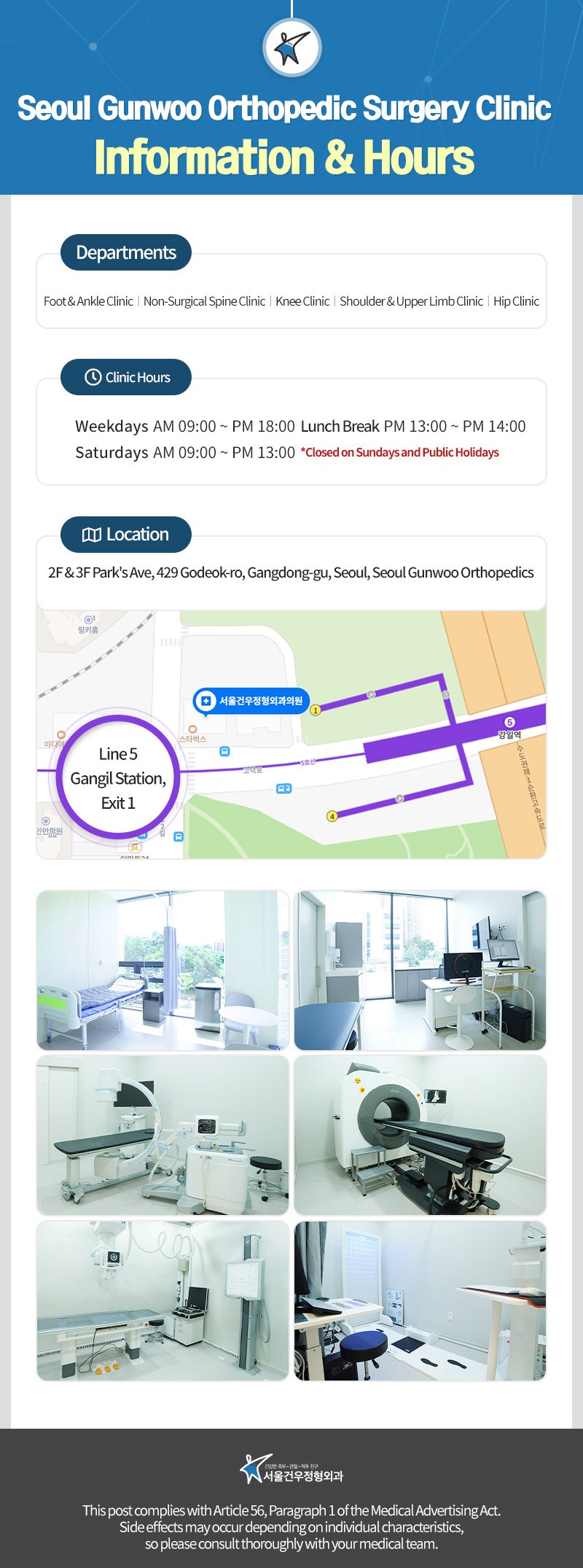
Seoul Gunwoo Orthopedic Surgery Clinic has operating rooms, inpatient rooms, CT, ultrasound, gait analysis, and rehabilitation in one building. These facilities support different parts of orthopedic assessment and care. The presence of a resource does not mean every patient needs it; the medical staff can explain whether it is relevant to your situation.
When comparing care options, focus on whether the consultation addresses your symptoms, explains the proposed next steps, and gives you room to ask questions. If surgery is under consideration, ask how the procedure and follow-up would be organized. Understanding the plan matters more than choosing based on a technique name alone.
People seeking bunion care may also want to discuss footwear, walking comfort, and how symptoms affect work or daily routines. Share what you have already tried and what remains difficult. This practical context can help make the conversation specific to your needs. Bring any relevant medical records or imaging you already have, if available, and ask whether anything else is useful for the consultation.
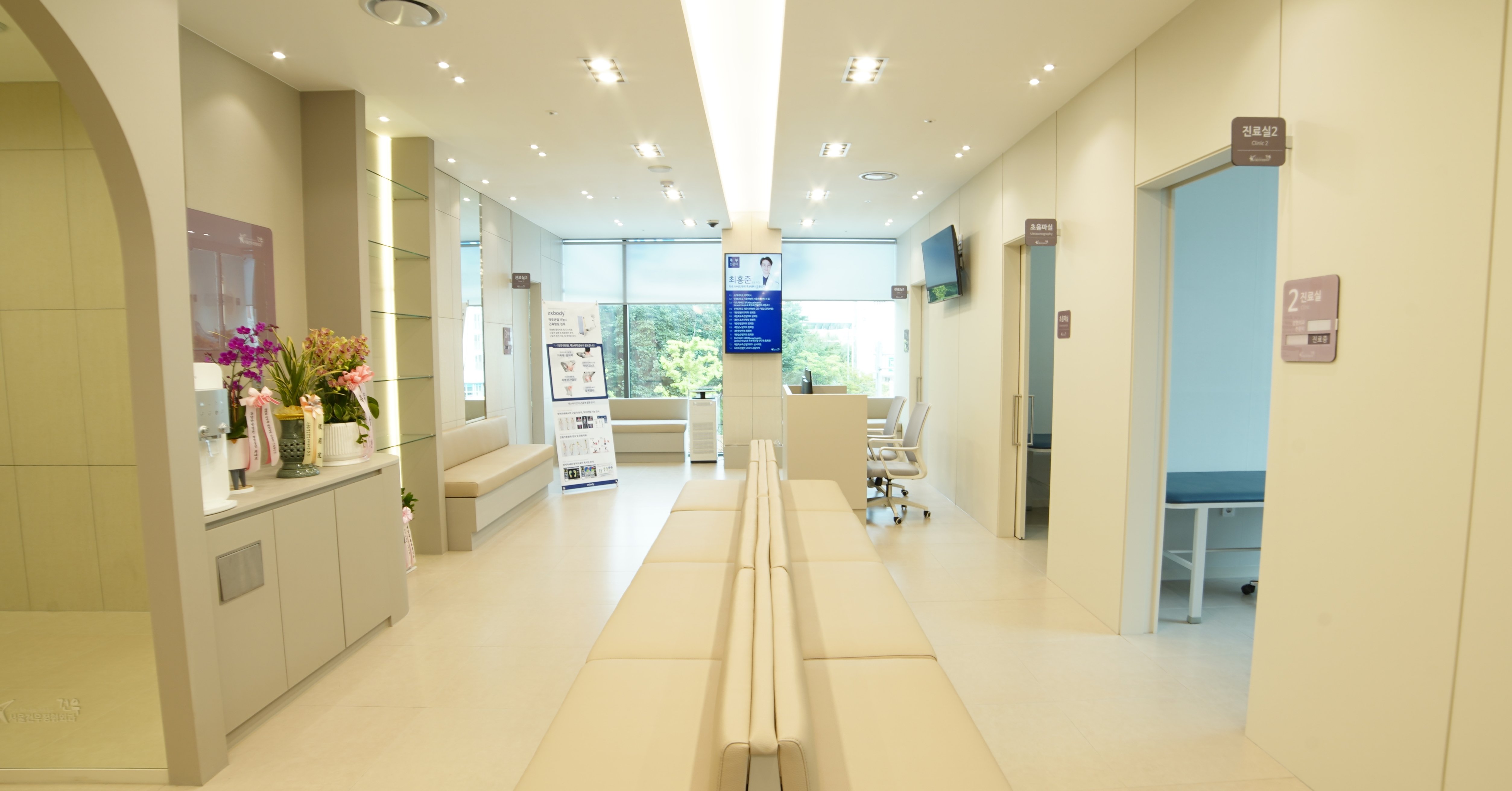
Hallux Valgus Treatment in Seoul: Assessment and Options
Assessment helps connect the visible alignment of the toe with the symptoms and functional concerns a person reports. The medical staff can examine the foot and consider whether imaging or gait-related evaluation is useful. Seoul Gunwoo Orthopedic Surgery Clinic has CT, ultrasound, and gait analysis in one building. These resources can inform a discussion, but the right evaluation and treatment plan depend on the individual findings and goals.
What an assessment may consider
A consultation commonly begins with a discussion of the reason for seeking care, followed by an assessment of the foot. Explain when symptoms occur, what makes them better or worse, and whether walking or footwear has become difficult. The medical staff can then decide what further evaluation may be relevant. Avoid assuming that a particular scan or test is required simply because it is available at the clinic.
Seoul Gunwoo Orthopedic Surgery Clinic has CT and ultrasound equipment and offers gait analysis. These resources may be considered as part of orthopedic care where appropriate. For bunion symptoms, a useful discussion connects the assessment to your own concerns: what is causing discomfort, what activities are affected, and what you hope to address. Ask what any recommended test is intended to clarify and how its findings would inform the next step. This keeps the process understandable and helps ensure that the treatment conversation is based on your situation rather than a generic description of bunions.
A thoughtful assessment links the foot’s condition with the symptoms and activities that matter to the patient. Imaging and other evaluations should have a clear purpose in the care discussion.
Discussing nonsurgical care and surgery
The clinic provides bunion care and lists MICA minimally invasive bunion surgery as a surgical technique. The consultation is the place to ask whether surgery is being considered and why. Not every person with a bunion has the same symptoms or treatment needs, and a procedure should not be assumed from appearance alone. Ask for an explanation of the options that apply to your assessment.
If surgery is discussed, ask the medical staff to describe the intended correction, the technique being considered, and any fixation involved. The clinic lists absorbable screws for bunion and fracture fixation, but the use of a particular fixation method depends on the procedure and treatment plan. You can also ask about care after surgery, including follow-up and rehabilitation arrangements. The clinic has operating rooms, inpatient rooms, and rehabilitation in one building. These facilities describe the setting available; they do not determine an individual’s recovery course. Changes may take time depending on individual condition, and the medical staff can discuss what to expect for your case.
Prepare for a clear treatment conversation
Before an appointment, write down your main symptoms and the activities they affect. Include questions about assessment, treatment choices, and the expected next steps. If you have prior imaging or relevant medical records, ask whether bringing them would be useful. A concise account of your concerns can make the consultation more focused.
It can also help to distinguish between what you want to understand now and what you may decide later. For example, you might first ask what the assessment indicates, then ask whether nonsurgical care or surgery is being considered. If MICA is discussed, request an explanation of why it may or may not fit your case. A decision should follow an informed conversation. Do not feel that you need to choose a procedure before the medical staff has assessed your foot and explained the options.
Seoul Gunwoo Orthopedic Surgery Clinic lists foot ultrasound at a non-covered fee of ₩80,000–140,000. This is the fee for foot ultrasound, not a bunion surgery package or a total treatment estimate. Ask which services apply to your care and what charges are relevant before proceeding. For language support or interpretation, contact the clinic before booking to confirm what is available.

Planning Hallux Valgus Treatment in Seoul
Good planning includes understanding the proposed care, practical arrangements, and how to communicate with the clinic. Seoul Gunwoo Orthopedic Surgery Clinic provides bunion care and has operating rooms, inpatient rooms, imaging, gait analysis, and rehabilitation in one building. These resources may be relevant at different points in care, depending on the individual plan. Before booking, prepare your questions and confirm any practical needs that could affect your visit.
Ask focused questions about the plan
Useful questions include what the assessment found, what options are being considered, and what the purpose of each recommended step is. If surgery is proposed, ask which technique is planned and what follow-up or rehabilitation may involve. You can also ask how the plan relates to the symptoms and activities you described. Clear answers make it easier to understand the recommendation and consider your choices.
For example, if MICA minimally invasive bunion surgery is raised, ask why it is being considered for your case and whether other options are appropriate. If fixation is discussed, ask about its role in the procedure. The clinic lists absorbable screws for bunion and fracture fixation, but the specific plan is determined for the individual case. Keep a written note of the answers, especially if you want time to consider your decision. A practical conversation should explain the reasoning without promising a particular result. The medical staff can also address how your existing health concerns may affect planning.
Planning is most useful when it turns a recommendation into a clear, personal care pathway. Ask what each step is for, what choices you have, and what arrangements you should make.
Prepare for booking and communication
Before arranging a visit, make a short list of symptoms, questions, and any relevant medical history you want to discuss. If you have existing imaging or records, ask whether to bring them. The clinic’s English website does not confirm that an English-speaking clinician or interpreter will be available, so contact the clinic before booking if language support is important.
At the appointment, describe your concerns in terms of both symptoms and function. Mention what makes walking or wearing shoes uncomfortable and whether the problem has changed over time. If an examination or test is recommended, ask how it relates to the treatment discussion. These steps can help you use the consultation time effectively while leaving room for the medical staff to assess your individual needs. It is also reasonable to ask about the next step before leaving, so you understand whether follow-up, further assessment, or a treatment decision is planned.
Understand fees and clinic resources
Published non-covered fees include foot ultrasound at ₩80,000–140,000 and ankle ultrasound at ₩80,000–140,000. These amounts refer to the named ultrasound services only and should not be interpreted as the cost of bunion surgery or a complete care plan. Confirm which services are recommended and what fees apply to your visit.
The clinic has CT, ultrasound, gait analysis, operating rooms, inpatient rooms, and rehabilitation in one building. Not every resource will be part of every patient’s care. Ask the medical staff which evaluations and services are relevant to your case, and clarify any practical details before proceeding. For a language-support request, contact the clinic before booking rather than assuming that an English-speaking clinician or interpreter will be available.
Seoul Gunwoo Orthopedic Surgery Clinic is located at 2F-3F, 429, Godeok-ro, Gangdong-gu, Seoul, Republic of Korea. For appointment and visit arrangements, contact the clinic at 02-426-9876. When you call, you can ask what to bring, whether language support can be arranged, and which service applies to your planned visit.

Frequently Asked Questions
Q.What kind of care does Seoul Gunwoo Orthopedic Surgery Clinic provide for hallux valgus?
A.Seoul Gunwoo Orthopedic Surgery Clinic provides bunion care and lists MICA minimally invasive bunion surgery among its surgical techniques. The appropriate care plan depends on the individual assessment.
Q.Who should consider seeking bunion care?
A.People with discomfort, changes in big-toe alignment, or difficulty with walking or footwear may wish to discuss their concerns with the medical staff. An assessment can help relate symptoms to appropriate options.
Q.What bunion procedure does Seoul Gunwoo Orthopedic Surgery Clinic list?
A.The clinic lists MICA minimally invasive bunion surgery and absorbable screws for bunion and fracture fixation. The consultation can clarify whether a particular technique or fixation method applies to an individual case.
Q.What should I know about fees before an appointment?
A.The published non-covered fee for foot ultrasound is ₩80,000–140,000; this is not a surgery package price. Ask which services and fees apply to your planned care.
Q.Where is Seoul Gunwoo Orthopedic Surgery Clinic, and how can I contact it?
A.The clinic is at 2F-3F, 429, Godeok-ro, Gangdong-gu, Seoul, Republic of Korea. Call 02-426-9876, and contact the clinic before booking if you need to confirm language support or interpretation.
Clinic Information
| Clinic | Seoul Gunwoo Orthopedic Surgery Clinic |
|---|---|
| Specialty | Orthopedics |
| Address | 2F-3F, 429, Godeok-ro, Gangdong-gu, Seoul, Republic of Korea |
| Phone | 02-426-9876 |
| Website | https://seoulfoot.sillajewelry.com |
| Specialist | Specialist care |
 Seoul Gunwoo Orthopedic Surgery Clinic