
Choosing a Bunion Specialist in Seoul
A bunion is a change in the alignment of the big toe joint that can create a prominent area at the side of the foot. Symptoms and treatment needs differ, so choosing an orthopedic clinic involves more than looking at a diagnosis alone. Consider the clinician’s background, the assessment tools available, and whether the clinic can discuss both nonsurgical care and surgery when appropriate. Seoul Gunwoo Orthopedic Surgery Clinic provides bunion care alongside assessment and treatment for other foot and ankle conditions.
Look at relevant orthopedic experience
Foot and ankle experience can be helpful when discussing a bunion, particularly if pain or difficulty walking is affecting daily activities. Dr. Choi Hong Joon has a background in foot and ankle medicine, clinical practice, and research, as well as a PhD in medicine. Dr. Min Kyong Dae is an orthopedic specialist whose profile includes orthopedic, arthroscopy, and sports medicine training. These backgrounds offer useful context when considering care at our clinic.
During an appointment, describe what prompted you to seek care rather than focusing only on the appearance of the foot. Explain where you feel discomfort, when you first noticed it, and whether it has changed. Mention any difficulty finding comfortable shoes or taking part in activities that matter to you. A clear account gives the attending doctor a practical starting point for examining the foot and discussing next steps. If you have concerns about a proposed treatment, ask how it relates to your particular symptoms and goals. Relevant experience and a clear explanation of the care plan are both important considerations.
A useful bunion consultation starts with your symptoms and how your foot functions in daily life. The clinician’s experience and the available assessment tools help frame a discussion suited to your situation.
Consider the scope of care
Seoul Gunwoo Orthopedic Surgery Clinic provides care for bunions, ankle ligaments, Achilles tendon concerns, heel pain, and plantar fasciitis. Our clinic’s published surgical work covers bunions, ankle ligament repair and reconstruction, Achilles tendon repair, ankle cartilage, ankle arthritis, and fractures. This range is relevant for people who have questions about more than one area of the foot or ankle, although each concern needs its own assessment.
A bunion may be the most visible reason for seeking an appointment, but it is worth mentioning other symptoms rather than assuming they are unrelated. For example, tell the attending doctor about discomfort in the heel or ankle, changes in walking, or difficulty with footwear. The discussion can then address which symptoms need examination and what questions to consider next. Published surgical work is not a recommendation for surgery in every case. The appropriate approach depends on the examination, your symptoms, and a conversation about the available options.
Review the facilities available
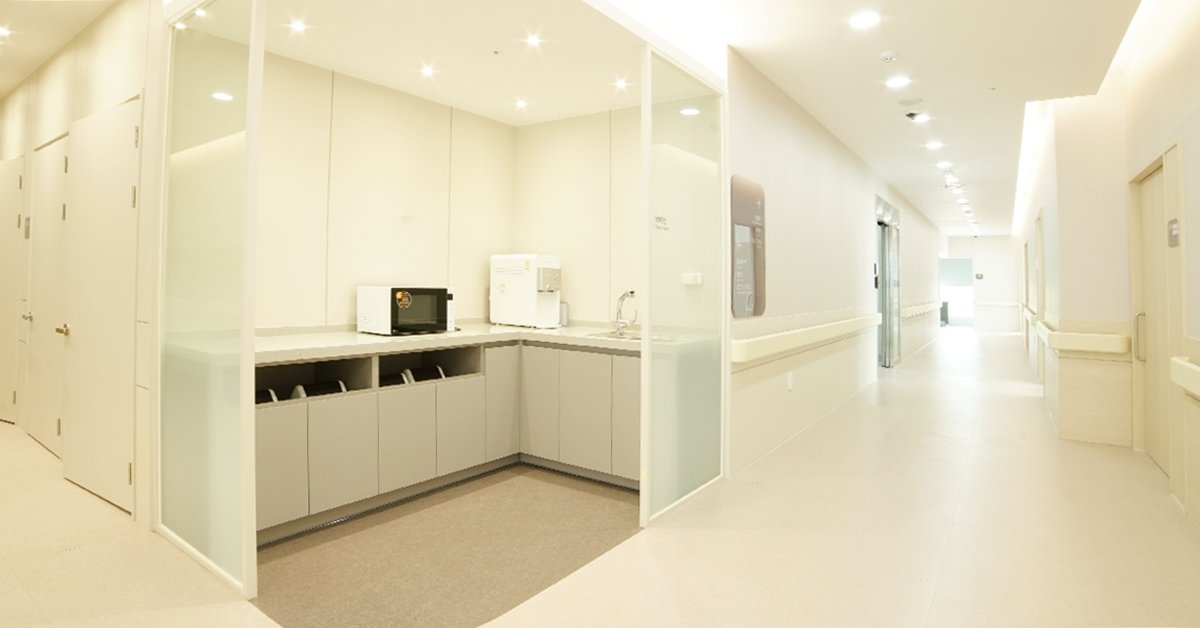
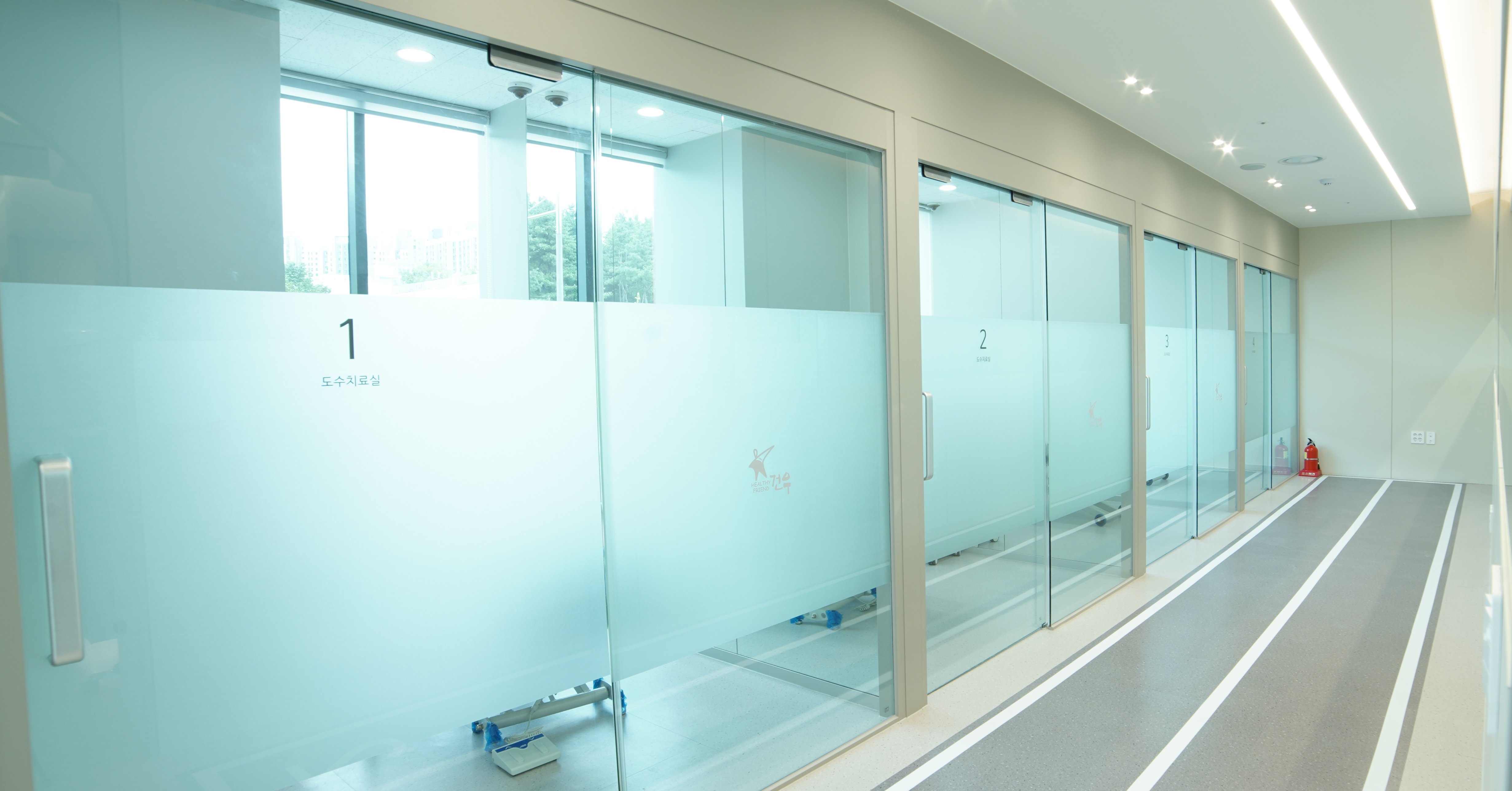
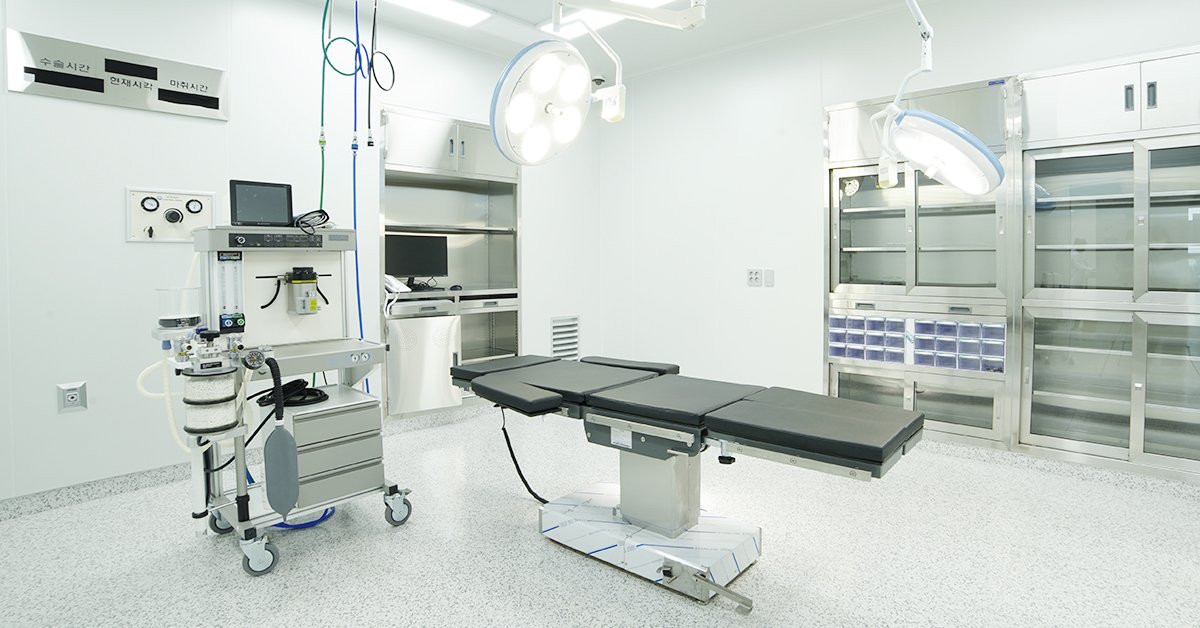
Our clinic has operating rooms, inpatient rooms, CT, ultrasound, gait analysis, and rehabilitation in one building. These facilities provide context for the range of care offered, from assessment through treatment and rehabilitation. Having a particular tool available does not mean it is needed for every patient; the attending doctor can explain whether a test or service is relevant to your situation.
When comparing clinics, ask what an assessment is intended to clarify and how the findings will inform treatment. It is also reasonable to ask what rehabilitation might involve if treatment is recommended. Understanding the purpose of each step can help you make decisions without assuming that more tests or procedures are automatically necessary.
| Facility or service | Available at our clinic |
|---|---|
| Imaging | CT and ultrasound |
| Movement assessment | Gait analysis |
| Treatment and recovery facilities | Operating rooms, inpatient rooms, and rehabilitation |
These facilities are part of the broader setting for orthopedic care. Before agreeing to an examination or treatment, ask what it is intended to show, whether alternatives are available, and how the result could affect the plan. The need for a particular test or service should be discussed individually.
What to Expect From a Bunion Specialist in Seoul
A bunion assessment generally begins with a discussion of symptoms and an examination of the foot. The attending doctor can consider how the toe is positioned, where discomfort occurs, and how the issue affects walking or footwear. Additional assessment may be discussed when it would help answer a specific clinical question. The aim of the visit is to understand your condition and make an informed plan, not to assume a procedure is needed.
Describe symptoms and daily limitations
Prepare to explain whether the area around the big toe joint is painful, irritated by shoes, or limiting your activities. It can help to describe when discomfort is most noticeable and whether it occurs during walking, exercise, or rest. If the appearance of the foot is your main concern, say so; that is useful context for a discussion about your goals.
Consider bringing footwear that illustrates the problem, such as a pair that presses against the affected area. You can also make a brief note of any measures you have already tried and whether they helped. If you have relevant records or previous images, ask whether bringing them would be useful. These details can help the attending doctor understand your concerns, but they do not replace an examination. Be clear about what you hope to do more comfortably, whether that is walking, working, or wearing everyday shoes.
Good assessment connects the appearance of the foot with symptoms and daily function. Bring practical details to the visit so the treatment conversation reflects what matters to you.
Understand the role of assessment tools
CT, ultrasound, and gait analysis are available at Seoul Gunwoo Orthopedic Surgery Clinic. Each serves a different purpose, and the attending doctor can explain whether a particular assessment would contribute to your care. For example, gait analysis relates to how a person walks, while imaging can help clinicians examine structures within the body.
Ask what the attending doctor hopes to learn from a recommended test and whether the result could change the treatment discussion. If a test is not recommended, you can also ask how the clinical examination addresses the immediate concern. This conversation is especially useful when you have more than one symptom or have undergone previous treatment. An available test is not automatically required for a bunion assessment. Decisions should be based on the clinical question and your individual circumstances.
Discuss treatment options
Treatment discussions can include ways to manage symptoms as well as surgery when appropriate. For some people, changes to footwear or activity can be worth discussing as part of a nonsurgical approach. These measures do not necessarily correct the underlying alignment, so it is important to understand what each option is intended to address.
Our clinic’s published surgical work includes bunions. If surgery is discussed, ask the attending doctor to explain why it is being considered, what the operation would involve, and how recovery and rehabilitation would be planned. The discussion should also cover alternatives and the possible risks relevant to your circumstances.
Take time to compare the proposed approach with your priorities. A treatment plan for someone whose shoes cause occasional irritation may differ from one for a person whose symptoms interfere more substantially with walking. Changes and recovery may take time depending on individual condition and the treatment selected.
Planning Care With a Bunion Specialist in Seoul
Preparation can make an orthopedic consultation more productive. Bring a concise account of your symptoms, relevant previous care, and questions about the options you want to understand. If you need language support or interpretation, contact Seoul Gunwoo Orthopedic Surgery Clinic before booking to check availability. An English-language website alone does not establish that an English-speaking clinician or interpreter will be available.
Questions to bring to your appointment
Start with questions that connect the diagnosis to your daily life: What is causing the discomfort? What can be done to reduce pressure from footwear? Is further assessment useful? If treatment is recommended, ask what it is intended to achieve and what participation in rehabilitation might involve.
You can also ask how to recognize changes that warrant another discussion, and whether a follow-up visit would be appropriate. If surgery is raised, request an explanation of the expected recovery process, possible complications, and the support you may need afterward. Costs depend on the care discussed, so ask for an explanation of charges before deciding on a plan. Writing down the answers can make it easier to review your options later or discuss them with someone involved in your care.
Preparation is most useful when it helps you understand the purpose of each recommendation. Ask about treatment, recovery, and costs before deciding how to proceed.
Plan for rehabilitation and follow-up
Rehabilitation is available in the same building as our clinic’s assessment and treatment facilities. If rehabilitation forms part of your plan, ask the attending doctor what it is intended to support and how it fits with the rest of your care. The details depend on your condition and the treatment selected.
Before leaving an appointment, make sure you understand the next step. That might mean considering symptom-management options, arranging an assessment, or discussing a proposed procedure in more detail. If treatment has been provided, ask for instructions relevant to your situation and clarify whom to contact with questions. Avoid assuming that another person’s recovery schedule will apply to you. A plan should reflect the procedure, if any, and your individual circumstances.
Make a practical visit checklist
A short checklist can keep the appointment focused. Note the affected area, how long it has bothered you, and the activities or shoes that make symptoms more noticeable. Include any relevant previous treatment and questions about care, assessment, recovery, and costs.
If you use an interpreter or need language assistance, raise that request when contacting our clinic before booking. Also consider bringing any relevant records you already have. These preparations can help you communicate your concerns clearly without requiring you to determine the diagnosis yourself.
Use the consultation to clarify both the clinical plan and the practical arrangements. Ask for an explanation in terms you understand, and take time to consider the options before making a decision.

Frequently Asked Questions
Q.What kind of care does Seoul Gunwoo Orthopedic Surgery Clinic offer?
A.Our clinic provides orthopedic care for bunions and other foot and ankle concerns. CT, ultrasound, gait analysis, rehabilitation, operating rooms, and inpatient rooms are available in one building.
Q.Who might consider a bunion consultation?
A.A consultation may be useful for someone with discomfort around the big toe joint, difficulty with footwear, or concerns about how a bunion affects walking.
Q.What treatment can be discussed for a bunion?
A.The attending doctor can discuss symptom management and whether surgery is appropriate. Our clinic’s published surgical work includes bunions.
Q.What should I prepare before an appointment?
A.Bring a description of your symptoms, relevant previous care, and questions about assessment and treatment. If you need language support or interpretation, check availability before booking.
Q.Where is Seoul Gunwoo Orthopedic Surgery Clinic, and how can I contact the clinic?
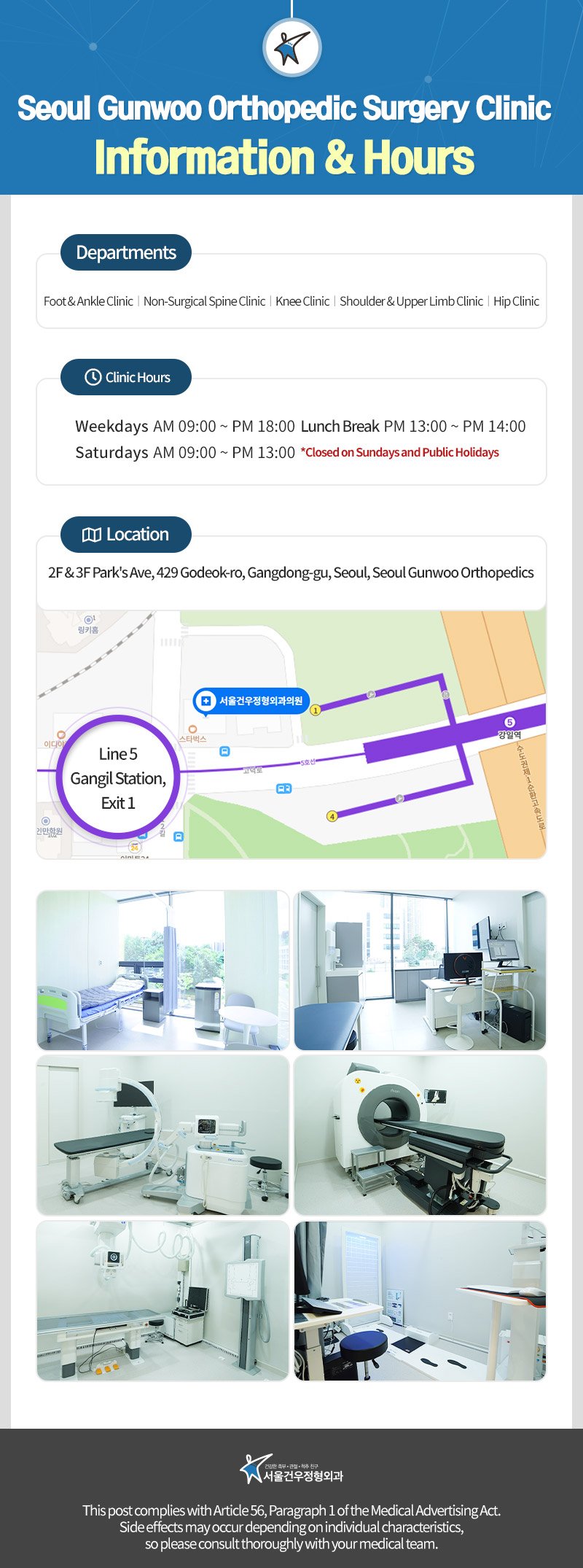
A.Our clinic is at 2F-3F, 429, Godeok-ro, Gangdong-gu, Seoul, Republic of Korea. Call 02-426-9876 to make an inquiry.
Clinic Information
| Clinic | Seoul Gunwoo Orthopedic Surgery Clinic |
|---|---|
| Specialty | Orthopedics |
| Address | 2F-3F, 429, Godeok-ro, Gangdong-gu, Seoul, Republic of Korea |
| Phone | 02-426-9876 |
| Website | https://seoulfoot.sillajewelry.com |
| Specialist | Specialist care |
 Seoul Gunwoo Orthopedic Surgery Clinic