

Hallux valgus specialist in Seoul: Understanding bunions
A bunion is a change in alignment at the base of the big toe. As the big toe angles toward the neighboring toes, a prominence can develop along the inner side of the foot. The appearance of that prominence does not, by itself, explain how much discomfort a person experiences. Assessment should focus on symptoms and function as well as the shape of the foot. Seoul Gunwoo Orthopedic Surgery Clinic provides orthopedic care for bunions and other foot and ankle concerns.
How a bunion can affect daily life
A person with hallux valgus may notice rubbing or pressure where the foot meets a shoe. Some people experience pain around the big-toe joint, while others are more concerned about changes in toe position or difficulty finding comfortable footwear. Symptoms can differ from one person to another. Not every visible bunion causes the same problems, and the size of the prominence alone does not determine which treatment is appropriate.
When considering care, it helps to describe when discomfort occurs and what it prevents you from doing. Pain after a long walk, irritation in a narrow shoe and discomfort during ordinary household activities give the medical staff different information about the demands on your foot. It is also useful to mention whether symptoms affect one foot or both and whether the toe’s position appears to have changed over time. A consultation can then address the concerns that matter most to you, rather than focusing only on appearance. Bring up any other foot or ankle symptoms as well, especially if they change how you walk or choose footwear. The goal of the discussion is to understand the whole problem before deciding what care to consider.
A bunion is more than a visible bump: its relevance depends on discomfort, footwear and daily function. A useful assessment starts with what you feel and what you want to be able to do.
Who may benefit from an assessment
An assessment may be useful when a bunion causes recurring pain, makes shoes difficult to wear or interferes with walking. It can also provide an opportunity to discuss a change in toe alignment, even if discomfort is not constant. Seeking advice does not mean committing to a procedure. It means reviewing the concern with medical staff and considering what, if anything, should happen next.
People often arrive with different priorities. One person may want to continue exercising comfortably; another may be concerned about pressure from work shoes or pain during a commute. Describe the activities that trigger symptoms, how long discomfort lasts and whether changing shoes makes a difference. If you have tried measures at home, explain what you used and whether it helped. This information gives the attending doctor a clearer picture of the problem. It is also reasonable to ask what signs would make a reassessment worthwhile and how to monitor your symptoms in the meantime. A treatment discussion should reflect your symptoms and circumstances, not a decision based solely on how the foot looks.
Related foot and ankle concerns
Foot discomfort does not always come from a bunion alone. Seoul Gunwoo Orthopedic Surgery Clinic also provides care for ankle ligaments, the Achilles tendon, heel pain and plantar fasciitis. These are distinct concerns, and a painful area should not automatically be attributed to hallux valgus. Identifying where pain occurs and which movements or activities aggravate it can help guide the consultation.
For heel pain and plantar fasciitis, our clinic discusses assessment, stretching, shockwave therapy and persistent symptoms. Those topics should not be assumed to be a treatment plan for a bunion. If you have pain in more than one area, describe each symptom separately: its location, what it feels like and when it occurs. That distinction helps keep the discussion focused on the condition being assessed.
Before your visit, consider making a short note of the shoes you wear most often and the activities that cause trouble. Bring any relevant medical records you have available, including details of earlier foot or ankle treatment. If symptoms change suddenly or become severe, seek timely medical advice rather than waiting for a routine discussion.

Hallux valgus specialist in Seoul: Assessment and treatment
Care begins with understanding the person’s symptoms and examining the foot in context. Depending on the clinical question, the medical staff may discuss assessment tools as well as treatment options. Seoul Gunwoo Orthopedic Surgery Clinic publishes information about foot ultrasound, gait analysis and dynamic plantar-pressure measurement, alongside its bunion care. An individual assessment determines which measures are relevant; no single test or treatment is necessary for every person with a bunion.
What to discuss during assessment
Explain where you feel pain, whether shoes rub against the prominence and how the problem affects walking or other activities. Mention previous injuries, treatment and other symptoms involving the feet or ankles. The attending doctor can use that information to decide what needs closer attention and explain the purpose of any assessment. Ask which findings are relevant to your symptoms and how they will inform the next step.
Foot ultrasound, gait analysis and dynamic plantar-pressure measurement are among the published services at our clinic. These assessments examine different aspects of the foot or movement; their availability does not mean that all are needed for bunion care. For example, a discussion about how you walk addresses a different question from a discussion about an area of discomfort in the foot. If a test is suggested, ask what it is intended to clarify and whether the result could affect the proposed plan. You can also ask what the assessment involves and whether any preparation is needed. A clear explanation of the reason for a test is more useful than assuming that more testing is always better.
Assessment is most useful when each question and test has a clear purpose. Ask how the findings relate to your symptoms and how they may influence the care plan.
Discussing conservative care and surgery
A treatment conversation can include ways to reduce pressure on the foot and manage symptoms, as well as whether surgery deserves consideration. Footwear that leaves room around the toes is one practical topic to raise if rubbing is a concern. The appropriate approach depends on the examination, the degree of discomfort and the effect on daily activities. Changes may take time depending on individual condition.
Seoul Gunwoo Orthopedic Surgery Clinic’s published surgical work includes bunions. That does not mean every person with hallux valgus needs an operation. Ask the attending doctor what a proposed approach is intended to address, what alternatives are reasonable and how the decision relates to your own symptoms. If surgery is discussed, questions about preparation, recovery, possible complications and follow-up can help you make an informed choice. It is also useful to explain work, exercise and travel commitments that could affect recovery planning. Do not rely on appearance alone to decide whether surgery is necessary. The discussion should consider pain, function and the findings of the examination together.
Points to consider before treatment
Every treatment decision involves individual considerations. A measure that relieves shoe pressure may not change the alignment of the toe, while a surgical discussion involves questions about recovery and possible complications. Ask what a proposed treatment can reasonably address and what it cannot. The medical staff can explain how your health and circumstances affect the options under consideration.
If you take medicines or have health conditions that may affect care, tell the attending doctor. Before agreeing to a procedure, make sure you understand the expected preparation, aftercare and when to seek advice about a concern. For non-surgical measures, ask how to judge whether the approach is helping and when to arrange a review. Shared decisions work best when the intended benefit and practical demands are clear.
| Published assessment | Non-covered fee |
|---|---|
| Foot ultrasound | ₩80,000–140,000 |
| Gait analysis | ₩50,000 |
| Dynamic plantar-pressure measurement | ₩100,000 |
The fees above apply to the named assessments, not to a bunion surgery package. The need for an assessment depends on the individual consultation, and treatment costs depend on the care proposed. If cost is important to your decision, ask which charges apply before proceeding and whether any other services are recommended. This makes it easier to distinguish a specific assessment fee from the overall cost of care.
Hallux valgus specialist in Seoul: Planning your visit
A productive visit begins with a clear account of your concern and a few practical questions. Seoul Gunwoo Orthopedic Surgery Clinic offers orthopedic care, including bunion care and published surgical work involving the foot and ankle. Bring information that helps the medical staff understand your symptoms, and consider what you want from the consultation: an explanation, help with discomfort or a discussion of treatment choices.
Preparing for the consultation
Note when symptoms began, where you feel discomfort and whether particular shoes or activities make it worse. If the problem has changed, describe the change in your own words. Bring a list of medicines and any relevant records you have, especially if you have received previous foot or ankle care. You can also bring the shoes that most often cause pressure if doing so is practical.
Think about the questions you would like answered before the visit. You might ask whether the pain is consistent with hallux valgus, what the examination shows and which options are appropriate for your circumstances. If you have concerns about walking, work or exercise, explain those priorities early in the conversation. Write down the answers or ask for clarification if a term is unfamiliar. If a test or treatment is proposed, ask about its purpose, any preparation and the next step after the result. Good preparation helps the consultation focus on your particular symptoms rather than assumptions about bunions in general. You do not need to decide in advance whether you want a procedure.
Bring a concise history of your symptoms and be open about your daily priorities. The consultation is an opportunity to understand the findings and make a considered plan with the medical staff.
Understanding the care team’s background
Dr. Choi Hong Joon’s background includes foot and ankle medicine, clinical practice and research. Dr. Min Kyong Dae’s profile lists orthopedic specialist training as well as arthroscopy and sports-medicine training. These backgrounds provide context for our clinic’s orthopedic services; the attending doctor can discuss the clinical details relevant to your own condition.
Our clinic’s published surgical work covers bunions, ankle ligament repair and reconstruction, Achilles tendon repair, ankle cartilage, ankle arthritis and fractures. These are distinct areas of care rather than interchangeable treatments. If your concern includes both a bunion and another foot or ankle symptom, explain each one during the visit. The medical staff can then consider whether the concerns are related and what assessment is appropriate. Ask who will be involved in your care and how follow-up will be arranged if a treatment plan is proposed. The most helpful answer is one that connects the team’s role to your specific clinical needs, rather than implying that every patient follows the same pathway.
Making practical arrangements
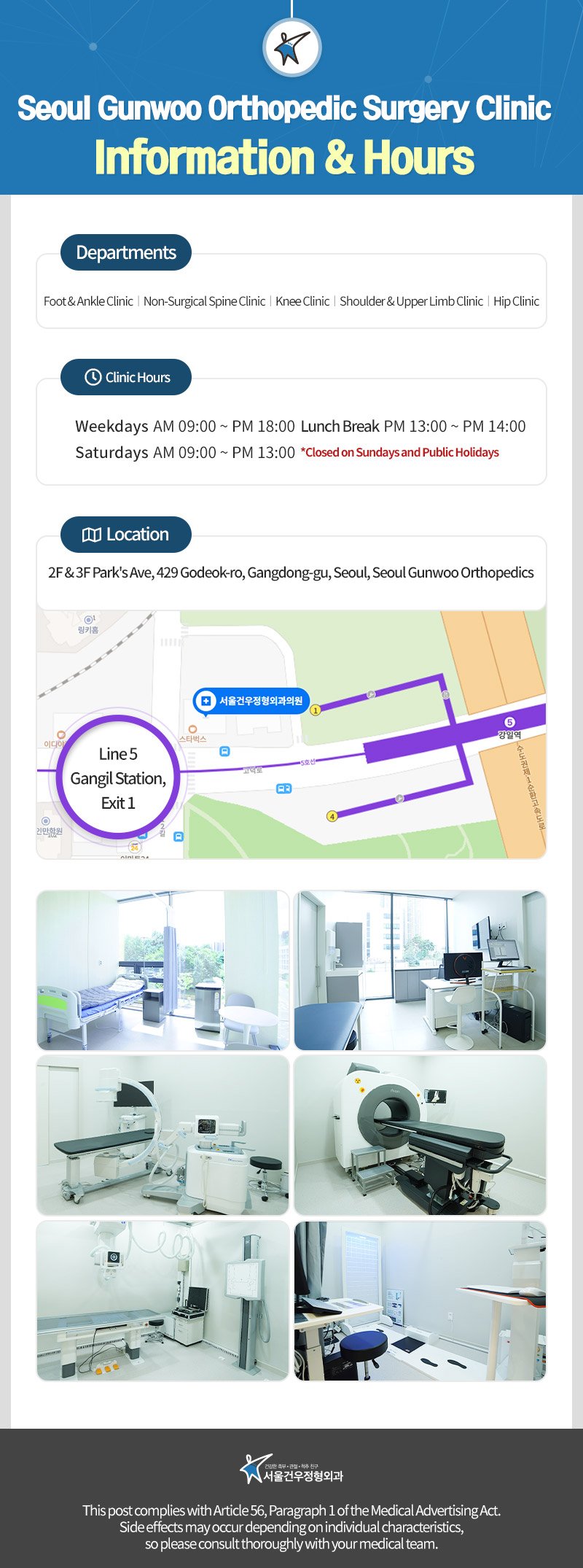
When arranging a visit, allow time to describe the reason for the appointment and any practical needs you have. If you require an English medical certificate, ask about it when making arrangements. Our clinic publishes a non-covered fee of ₩20,000 for that certificate. A certificate is separate from assessment and treatment charges.
Consultation hours are Monday through Friday, 09:00–18:00, with a weekday lunch break from 13:00–14:00. Saturday hours are 09:00–13:00. Our clinic is closed on Sundays and public holidays. These times are in Korea Standard Time. Consider your travel and work schedule when planning the visit, particularly if you expect to discuss testing or follow-up.
Before leaving, review the plan with the attending doctor. Make sure you understand any recommended next step, how to manage the concern in the meantime and when to seek further advice. If you are considering treatment, ask for an explanation of the expected process and the charges that apply to your proposed care. A clear plan should answer both the medical and practical questions that matter to you.

Frequently Asked Questions
Q.What does Seoul Gunwoo Orthopedic Surgery Clinic offer for bunions?
A.Seoul Gunwoo Orthopedic Surgery Clinic provides bunion care and publishes information about bunion surgery as part of its orthopedic services.
Q.Who should consider a bunion consultation?
A.A consultation may be useful if a bunion causes pain, shoe pressure or difficulty with walking. The medical staff can discuss symptoms and examine the foot.
Q.Does bunion care always involve surgery?
A.No. The appropriate approach depends on the individual’s symptoms and examination; surgery is one option to discuss when appropriate.
Q.What should I prepare for a visit?
A.Bring a description of your symptoms, a list of medicines and any relevant records from previous foot or ankle care. Note which shoes or activities cause discomfort.
Q.Where is Seoul Gunwoo Orthopedic Surgery Clinic, and how can I contact our clinic?
A.Our clinic is at 2F–3F, 429 Godeok-ro, Gangdong-gu, Seoul, Republic of Korea, near Gangil Station, Exit 1. Call 02-426-9876 for appointment inquiries.
Clinic Information
| Clinic | Seoul Gunwoo Orthopedic Surgery Clinic |
|---|---|
| Specialty | Orthopedics |
| Address | 2F-3F, 429, Godeok-ro, Gangdong-gu, Seoul, Republic of Korea |
| Phone | 02-426-9876 |
| Website | https://seoulfoot.sillajewelry.com |
| Specialist | Specialist care |
 Seoul Gunwoo Orthopedic Surgery Clinic