

Best reviewed hospital for bunion surgery in Seoul: How to assess your options
Online reviews can help you identify questions to ask, but a rating cannot determine whether surgery is appropriate for your foot. A useful search combines patient feedback with a careful review of clinical experience and a consultation about your symptoms. Seoul Gunwoo Orthopedic Surgery Clinic provides orthopedic care, and Dr. Choi Hong Joon has a background in foot and ankle medicine, clinical practice, and research. When contacting our clinic, ask whether a bunion assessment and any treatment you are considering are available.
Look beyond the overall rating
Reviews can offer a perspective on matters such as communication and the experience of visiting a clinic. Read the details rather than relying solely on a score: a comment about how clearly a patient’s questions were answered may be more useful than a brief expression of satisfaction. At the same time, a review reflects one person’s experience. Symptoms, treatment decisions, and recovery can differ, so another patient’s account should not be treated as a prediction of your own outcome.
As you read, look for recurring themes that matter to you. For example, note whether reviewers describe having enough time to discuss concerns or receiving understandable explanations about their care. Treat particularly positive or negative claims with appropriate caution, especially when the circumstances are unclear. Reviews are not a substitute for an examination, and a high rating does not establish that a particular operation is suitable. Use reviews to prepare questions, not to make the treatment decision for you. During a consultation, explain what bothers you most and ask the attending doctor to relate the findings to your daily activities. A useful discussion should help you understand the options, the reasons for considering them, and the questions that remain before you decide on a course of care.
Reviews are a starting point, not a clinical assessment. The more useful question is whether a consultation gives you a clear understanding of your condition and your options.
Consider relevant orthopedic experience
Foot and ankle experience can be relevant when seeking advice about a bunion. Dr. Choi Hong Joon’s background includes foot and ankle medicine, clinical practice, and research. Dr. Min Kyong Dae is an orthopedic specialist whose profile includes arthroscopy and sports-medicine training. At Seoul Gunwoo Orthopedic Surgery Clinic, you can ask which member of the medical staff will assess your concern and discuss that person’s experience with the type of care you are seeking.
Credentials are useful context, but they do not replace a conversation about your individual condition. Bring up your symptoms, previous treatment, and expectations, then ask how the examination findings affect the recommendation. If an operation is discussed, ask what the proposed approach is intended to address and what other options are appropriate in your case. It is also reasonable to ask who would perform any procedure and who would provide follow-up care. A clear explanation of the proposed plan is more useful than a title or rating considered on its own. Our clinic can discuss the care available and the next steps during your consultation.
Match your priorities to the consultation
People seek bunion care for different reasons. Pain in shoes, difficulty with daily walking, or concern about a changing toe position can each lead someone to request an assessment. Think about what matters most to you before booking: relief during specific activities, understanding whether a deformity needs treatment, or learning what recovery could involve. Being specific helps the medical staff address your concerns rather than focusing only on the appearance of your foot.
Practical preferences matter as well. Consider your work demands, the footwear you usually wear, and whether you have help available if treatment temporarily limits your mobility. If you need an interpreter or prefer to speak in a particular language, contact Seoul Gunwoo Orthopedic Surgery Clinic before booking to check what support is available. An English-language website alone does not establish that an English-speaking clinician or interpreter will be present.
| What to review | Question to ask |
|---|---|
| Clinical experience | Who will assess my foot, and what experience is relevant to my concern? |
| Treatment options | What are the alternatives to surgery in my case? |
| Daily activities | How might treatment affect work, walking, and footwear? |
| Communication | What language or interpretation support is available? |
Use these questions as a starting point rather than a checklist that must dictate your decision. A good consultation should leave room for your priorities and for an explanation of any uncertainty. If you have read a review that raised a specific concern, ask about it directly without assuming the same circumstances apply to you. The aim is to understand the proposed care well enough to make an informed decision, not to choose a clinic on the strength of a single comment.
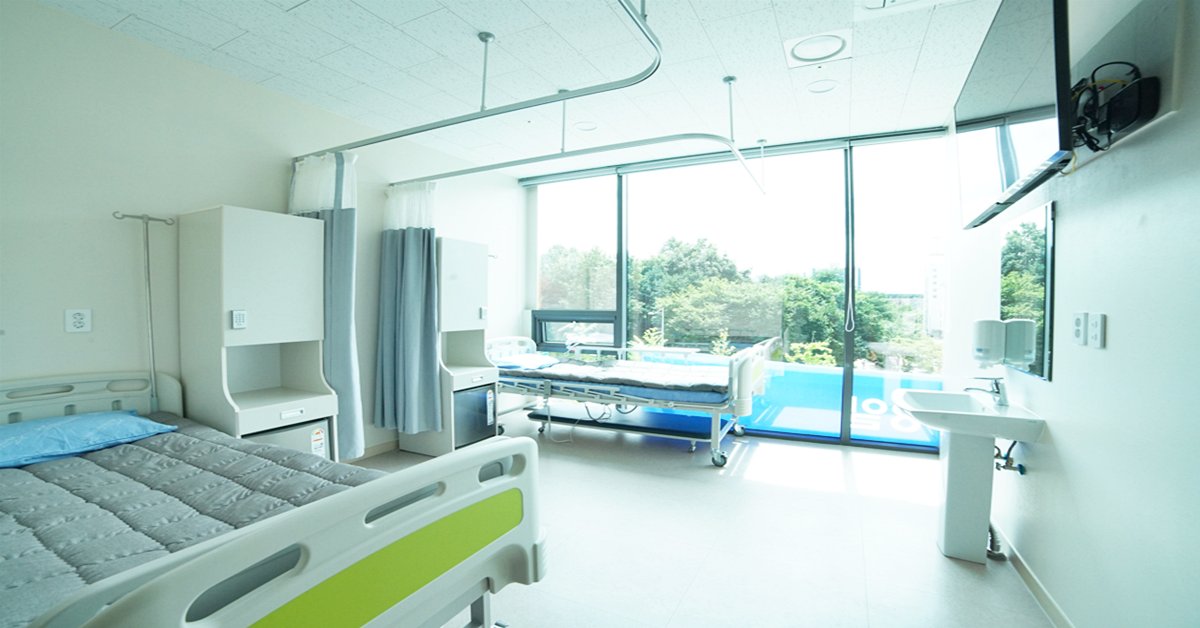
Best reviewed hospital for bunion surgery in Seoul: Understanding treatment choices
A bunion is a change in the alignment of the big toe joint that can produce a prominent area at the side of the foot. Symptoms vary: some people experience discomfort in shoes or while walking, while others have little pain. The presence of a bunion alone does not mean surgery is necessary. An assessment can help clarify whether your symptoms relate to the joint and whether non-surgical care or an operation should be considered. Ask our clinic about the assessment and treatment options available.
Start with symptoms and an examination
Before recommending treatment, a doctor needs to understand how the foot affects you. Be ready to describe where the discomfort occurs, what makes it better or worse, and whether it interferes with walking, work, or footwear. Mention any previous injury or treatment and whether you have noticed changes over time. An examination helps the medical staff assess the foot in context; imaging may also be considered when needed to understand the joint and plan care.
It is helpful to distinguish appearance from function. You may be concerned about a visible change, but the most relevant treatment discussion also considers pain, footwear tolerance, activity limitations, and your goals. Tell the attending doctor if discomfort occurs only in certain shoes or persists when you are resting. If you have problems in another part of the foot, mention those too, because they can affect how you walk and what you want from treatment. Ask the doctor to explain the findings in plain language and how each finding relates to the recommendation. If imaging is suggested, ask what information it is expected to provide. An informed decision begins with an understanding of the problem being treated.
A bunion assessment should connect the appearance of the joint with symptoms and everyday function. Treatment decisions depend on the individual examination, not simply on how prominent the bunion looks.
Discuss non-surgical care and surgery
Non-surgical measures can help manage symptoms for some people. These may include choosing shoes with adequate space around the toes or discussing protective padding and other supportive measures with a clinician. Such approaches can reduce pressure, but they do not necessarily correct the underlying alignment. If symptoms continue to interfere with daily life, ask whether surgery is appropriate for your condition and what the proposed treatment would involve.
Bunion surgery is not a single, interchangeable operation. The approach depends on factors such as the joint’s alignment, symptoms, and the doctor’s assessment. If surgery is recommended, ask what the operation is intended to change, whether any alternatives are reasonable, and what could happen if you continue non-surgical care instead. Discuss potential complications, including infection, stiffness, persistent pain, or recurrence, as well as the steps involved in follow-up. No operation can guarantee a particular result. The discussion should also cover your health history and any medicines you take, since these can be relevant to planning. Ask Seoul Gunwoo Orthopedic Surgery Clinic whether the proposed procedure and follow-up are available through our clinic before making arrangements.
Points to consider before treatment
Recovery planning matters as much as choosing a treatment. Depending on the procedure and your individual condition, you may need to adjust how you walk, the shoes you wear, and your usual activities. Ask when you can expect to discuss walking, work, driving, and exercise after treatment, rather than assuming another patient’s timeline will apply. Changes may take time depending on individual condition, and the attending doctor can explain how progress will be assessed.
Tell the medical staff about medical conditions, allergies, and medicines or supplements you use. Do not stop or change prescribed medication without advice from the clinician responsible for your care. If an operation is being considered, ask which preparations are needed and how to recognize a problem after treatment. Increasing pain, spreading redness, fever, or new concerns after a procedure warrant prompt contact with a medical professional; seek urgent care for severe or rapidly worsening symptoms.
Before deciding, make sure you understand the proposed treatment, its purpose, and the practical demands of recovery. Ask for clarification if an explanation is unfamiliar, and consider writing down the answers. You can also ask how follow-up is arranged and whom to contact if a concern arises afterward. The goal is not to remove every uncertainty but to understand the decisions you are making and the responsibilities involved in your care.
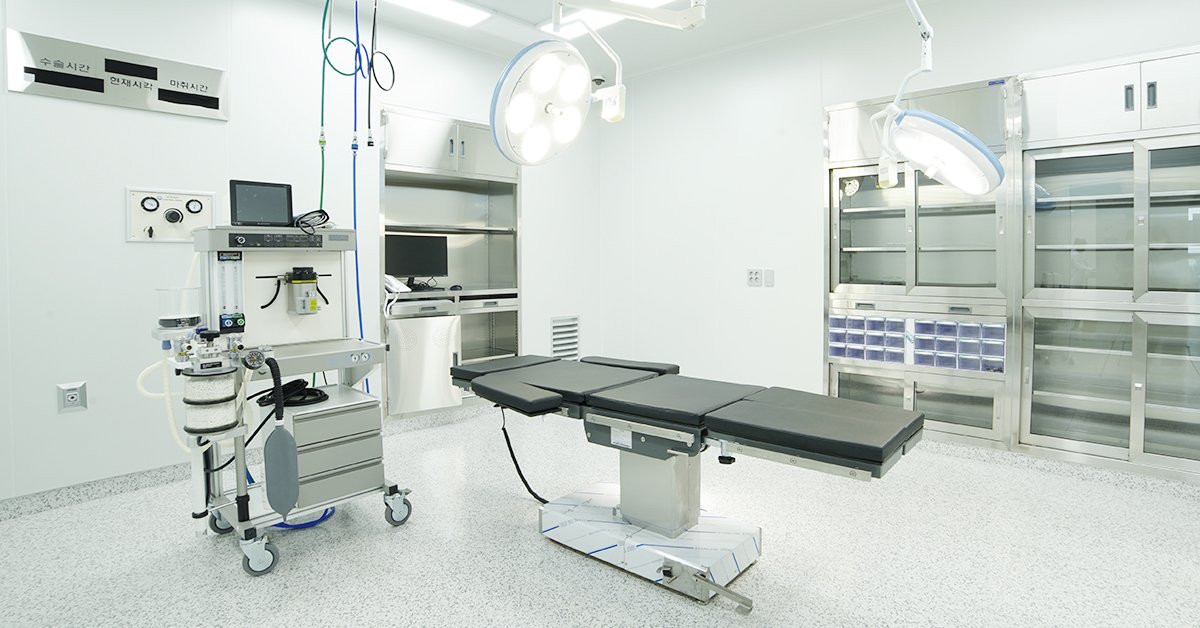
Best reviewed hospital for bunion surgery in Seoul: Planning your visit
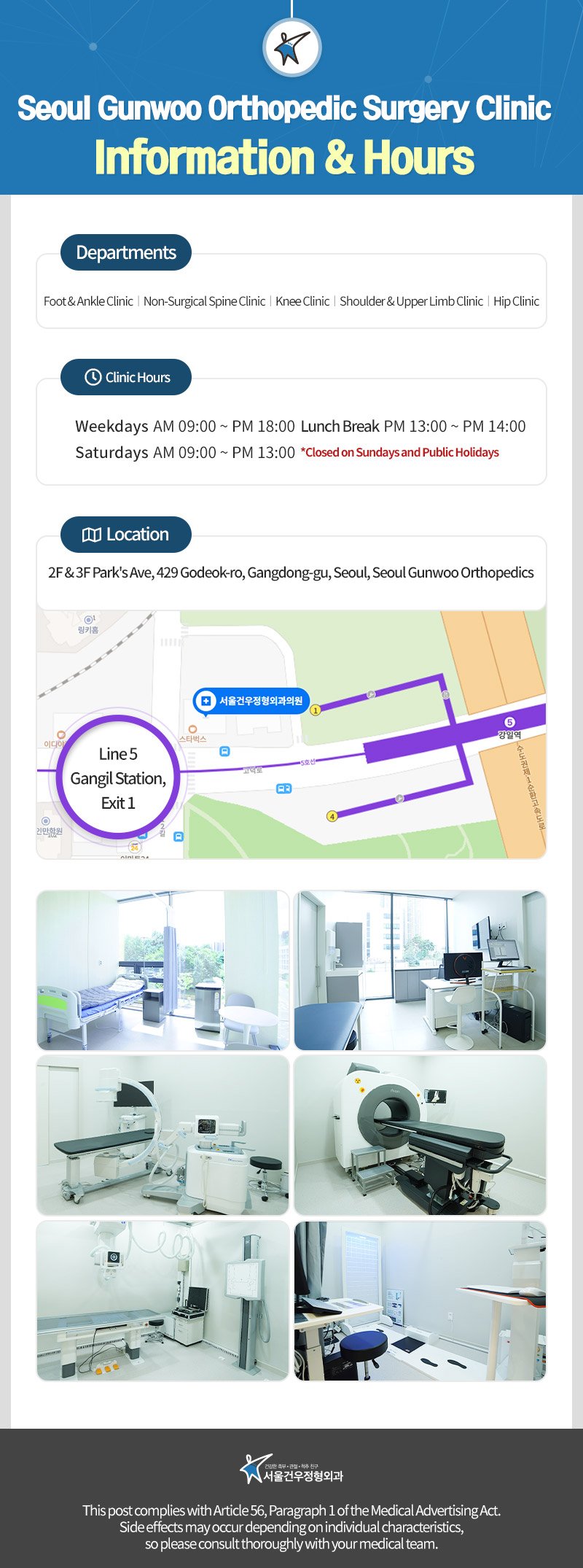
Once you have identified a clinic to contact, prepare for a focused conversation. Seoul Gunwoo Orthopedic Surgery Clinic is an orthopedic clinic at 429 Godeok-ro in Gangdong-gu, in front of Gangil Station Exit 1. Before booking, ask whether the clinic can assess your bunion concern and whether the language support you need is available. Preparation helps you use the consultation to discuss your symptoms, options, and practical needs.
Bring information that explains your concern
Write down when you notice discomfort and how it affects your routine. Include activities that are difficult, the types of shoes that cause pressure, and any measures you have already tried. If you have relevant medical records or previous imaging, ask whether you should bring them. A current list of medicines, supplements, allergies, and significant health conditions can also help the medical staff understand your situation.
Consider bringing the shoes you wear most often, especially if a particular pair makes symptoms worse. You can also note questions that are easy to forget during an appointment: What is causing the discomfort? Is treatment needed now? What are the available options, and what does each involve? If you are interested in surgery, include questions about the proposed operation, risks, recovery, and follow-up. If communication assistance is important, arrange it before your visit rather than assuming it will be available. You may also want to bring a support person if that would help you remember the discussion or explain your circumstances. Our clinic can advise you on practical arrangements when you contact the medical staff.
A useful visit starts with a clear account of your symptoms and the questions you want answered. Confirming communication arrangements in advance can also make the consultation easier to navigate.
Ask about costs and logistics
Costs depend on the assessment and care involved. If a procedure is discussed, ask for an explanation of the expected charges and what the quoted amount covers, including any relevant examination, testing, procedure, and follow-up. If you have insurance, check your coverage directly with your insurer and ask our clinic what documentation is needed. Avoid assuming that a price mentioned in an online review applies to your circumstances.
It is also sensible to discuss logistics before committing to treatment. Ask how appointments are arranged, what preparation is needed, and how follow-up would fit with your work or travel plans. If you live outside the area or are visiting Seoul, explain your planned stay so the medical staff can discuss the practical requirements of care. For a proposed operation, ask whether you will need someone to accompany you and what transportation considerations apply afterward. If the answers depend on the treatment plan, note the questions and revisit them once the doctor has assessed your foot. A clear plan should cover both the clinical decision and the practical steps that follow.
Make a decision at your own pace
After the consultation, review what you learned about the diagnosis, the recommended options, and the likely demands of each choice. If surgery is proposed, make sure you understand why it is being considered and what alternatives were discussed. You can ask further questions before deciding. If you want another assessment, seeking a second opinion is a reasonable way to clarify a significant treatment decision.
Keep your priorities in view when comparing information. A review may help you understand someone else’s experience, but your symptoms, health history, and responsibilities are your own. The decision should reflect a conversation about the expected benefits and potential risks for your condition. If anything remains unclear, ask the attending doctor to explain it again in terms you can use to plan your daily life.
Finally, remember that choosing orthopedic care is a process rather than a ranking exercise. Start with a relevant assessment, consider the treatment options, and make sure the practical arrangements work for you. Seoul Gunwoo Orthopedic Surgery Clinic can discuss your orthopedic concern and the care available at our clinic. Use the consultation to establish a plan that reflects your symptoms and the medical staff’s findings.

Frequently Asked Questions
Q.What kind of care does Seoul Gunwoo Orthopedic Surgery Clinic provide?
A.Seoul Gunwoo Orthopedic Surgery Clinic provides orthopedic care. Dr. Choi Hong Joon has a background in foot and ankle medicine, clinical practice, and research.
Q.Who might consider a consultation for a bunion?
A.A consultation can be useful if a bunion causes discomfort in shoes, affects walking, or raises concerns about changes in the foot. An assessment can help clarify the next steps.
Q.What treatment options can I discuss for a bunion?
A.You can discuss symptom management, such as footwear changes, and whether surgery is appropriate for your condition. Ask Seoul Gunwoo Orthopedic Surgery Clinic about the assessment and treatments available.
Q.What should I prepare before my appointment?
A.Bring a description of your symptoms and a list of your medicines and relevant health conditions. Ask whether previous medical records or imaging would be useful.
Q.Where is Seoul Gunwoo Orthopedic Surgery Clinic, and how can I contact our clinic?
A.Our clinic is at 2F–3F, 429 Godeok-ro, Gangdong-gu, Seoul, Republic of Korea, in front of Gangil Station Exit 1. Call 02-426-9876 before booking to ask about appointments and any language support you need.
Clinic Information
| Clinic | Seoul Gunwoo Orthopedic Surgery Clinic |
|---|---|
| Specialty | Orthopedics |
| Address | 2F-3F, 429, Godeok-ro, Gangdong-gu, Seoul, Republic of Korea |
| Phone | 02-426-9876 |
| Website | https://seoulfoot.sillajewelry.com |
| Specialist | Specialist care |
 Seoul Gunwoo Orthopedic Surgery Clinic