
Choosing a Recommended hospital for bunion surgery in Seoul
A search for a recommended hospital for bunion surgery in Seoul often begins with a practical question: Does a painful bunion need an operation? The answer depends on the symptoms, the shape and function of the foot, and the effect on daily activities. Seoul Gunwoo Orthopedic Surgery Clinic is an orthopedic clinic with a published focus on foot and ankle care, including bunion correction. An examination and discussion with the medical staff are important steps before deciding on treatment.
Understanding a bunion
A bunion, also called hallux valgus, is a change in the alignment of the big toe that can create a prominent bump at its base. The area can become irritated by footwear, and some people experience pain or difficulty finding comfortable shoes. Symptoms do not always match the appearance of the bump: a noticeable bunion is not necessarily painful, while a smaller prominence can still cause discomfort. A clinician considers the whole foot rather than appearance alone.
During an assessment, it helps to describe when discomfort occurs and how it affects walking, work, exercise, or footwear. The medical staff may also ask whether the symptoms have changed and what measures have already been tried. Functional concerns matter as much as cosmetic appearance when discussing care. For example, pain that limits ordinary activities deserves a different conversation from a bump that causes no discomfort. The position of the other toes, movement at the affected joint, and areas of pressure can also be relevant to an examination. A clear account of your symptoms gives the attending doctor a useful starting point for discussing the next steps.
A bunion is more than a visible bump: its effect on comfort and foot function matters. A consultation should connect the examination findings with the problems you experience in everyday life.
When to discuss treatment
Consider an orthopedic consultation if pain persists, footwear becomes difficult to wear, or the position of the toe interferes with daily activities. It is also useful to seek advice when pressure or irritation around the joint repeatedly returns. Not every bunion calls for surgery, and a discussion can cover ways to manage symptoms as well as circumstances in which an operation may be considered. The choice should reflect your condition and goals rather than the appearance of the foot alone.
Before your visit, note the location of the pain, whether it occurs at rest or while walking, and which shoes are uncomfortable. You can also describe any changes in activity that you have made because of the foot. If you have tried wider footwear, padding, or other measures, explain whether those steps helped. These details do not replace an examination, but they can make the conversation more focused. If symptoms affect both feet, describe each side separately; discomfort and functional limitations may differ. The aim of the consultation is to understand the problem and discuss appropriate options, not to assume that surgery is necessary.
What to look for in a clinic
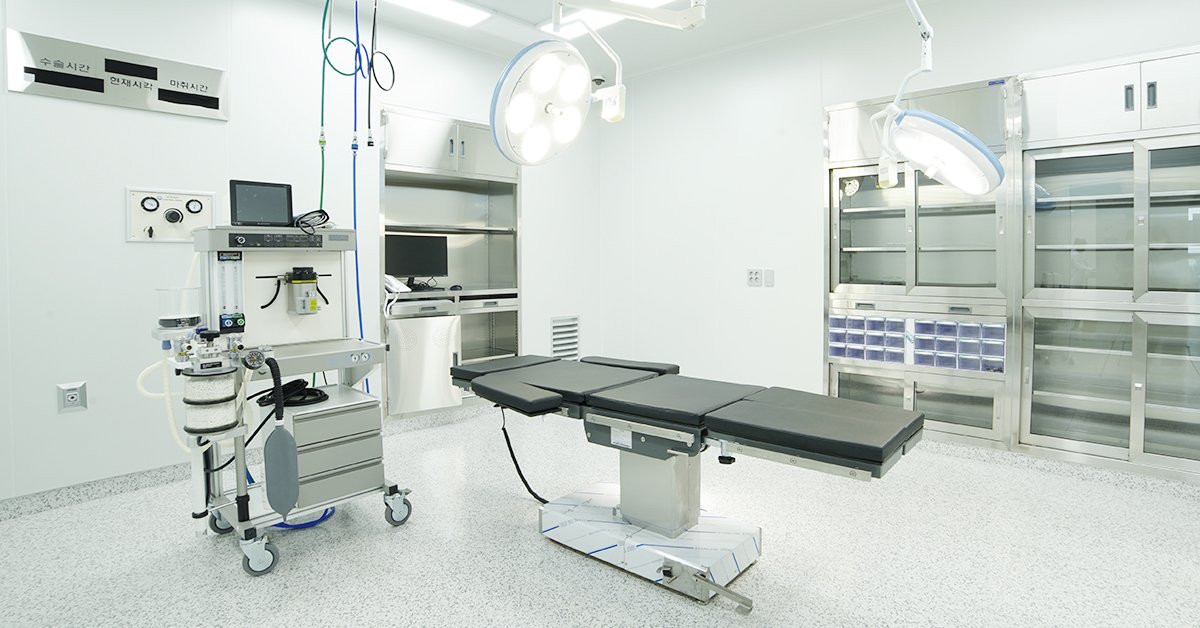
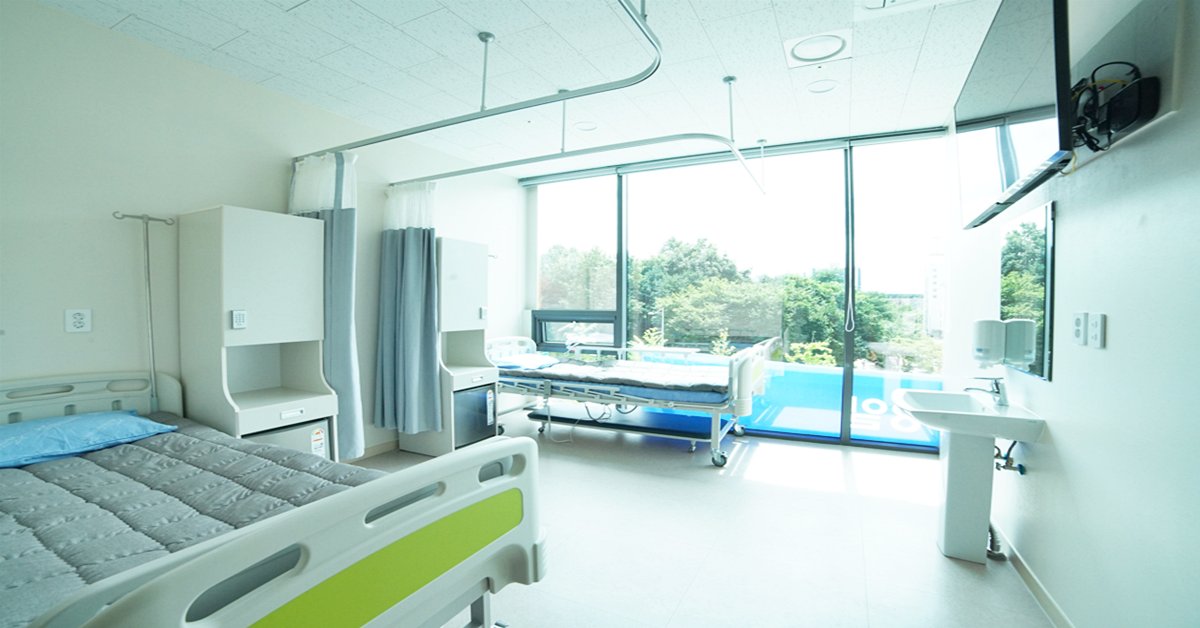
When comparing care options, look at the clinic’s stated clinical focus and the facilities relevant to assessment and treatment. Seoul Gunwoo Orthopedic Surgery Clinic lists bunion correction among its foot and ankle areas of care. Its building also houses operating rooms, inpatient rooms, CT, ultrasound, gait analysis, and rehabilitation. These facilities can support different parts of care, although the tests and services appropriate for an individual depend on the clinical assessment.
Ask how the medical staff evaluates your symptoms, what treatment options are relevant, and what each option would mean for your daily routine. If surgery is discussed, ask about the proposed approach and the expected recovery plan. It is reasonable to request an explanation in plain English and to take time to consider the information. A useful consultation should leave you with a clearer understanding of the decision, including any questions that still need answers.
| Clinic feature | Relevance to your visit |
|---|---|
| Foot and ankle focus | Includes published care for bunion correction. |
| CT and ultrasound | Imaging facilities are available in the building; their use depends on the assessment. |
| Gait analysis and rehabilitation | Facilities are available in the same building. |
| Operating and inpatient rooms | Both are located in the clinic building. |
Facilities are one consideration, but the treatment discussion remains central. Ask which examinations are relevant to your case rather than assuming every available test will be needed. Likewise, the presence of rehabilitation facilities does not establish a particular recovery schedule. The medical staff can explain how the available services relate to your condition and any proposed care. A recommendation is most useful when it helps you ask informed questions about your own needs.
Treatment planning at a Recommended hospital for bunion surgery in Seoul
Bunion care can involve symptom management or surgery, depending on the assessment. The decision is not based on a single feature, such as the size of the bump. Pain, movement, pressure from shoes, and the effect on daily life all help frame the conversation. Seoul Gunwoo Orthopedic Surgery Clinic lists bunion correction among its areas of care. Ask the medical staff to explain why a particular approach is being considered for your foot.
Discussing options before surgery
For some people, a discussion begins with ways to reduce pressure on the affected joint. Footwear with adequate room around the toes or padding may help relieve irritation, although such measures do not necessarily correct the underlying alignment. The medical staff can discuss whether symptom management is reasonable in your circumstances. If discomfort continues to interfere with everyday life, surgery may be considered after an examination and a discussion of the expected course of care.
Be specific about what you hope treatment will address. You might want to walk more comfortably, wear shoes without repeated irritation, or take part in an activity that has become difficult. Explain which limitations matter most to you and ask how each option relates to those concerns. It is also helpful to ask what symptoms should prompt a return visit if you initially choose a nonsurgical approach. Decisions can change as symptoms change, and an initial consultation does not have to settle every question immediately. Understanding the purpose and limits of each option makes it easier to weigh the proposed plan against your circumstances.
Treatment planning starts with the problems the bunion causes, not simply its appearance. Ask how each option relates to your symptoms, activities, and expectations before deciding on surgery.
Questions about the proposed operation
If surgery is recommended, ask the attending doctor to explain the intended correction and why the proposed approach fits your condition. Bunion operations can differ according to the alignment and other findings, so it is not useful to assume that every patient receives the same procedure. Ask what preparation is needed, whether further assessment is appropriate, and how care is organized before and after the operation. The answers should be tailored to your examination.
A practical discussion should also cover the recovery period. Ask when and how you may be able to put weight on the foot, what footwear or support might be needed, and how follow-up visits are arranged. If work, caregiving, or transport depends on your mobility, explain those responsibilities before choosing a date. Recovery instructions can differ with the operation and individual condition, so avoid planning solely around another person’s experience. Before agreeing to treatment, make sure you understand the proposed procedure, its alternatives, and the recovery instructions relevant to you. You can also ask for clarification about any part of the plan that remains unclear.
Points to consider before treatment
Any operation involves risks, and the attending doctor should explain those relevant to the proposed procedure. Depending on the operation and individual circumstances, topics may include infection, healing problems, persistent discomfort, stiffness, or recurrence of the deformity. An informed decision also includes understanding what treatment can and cannot reasonably address. Ask how your health history and current medicines might affect preparation or recovery, and follow the instructions given by the medical staff.
It is useful to discuss support at home and transport before treatment. Tasks that normally seem simple can require planning when foot movement or weight-bearing is restricted. Tell the medical staff about work requirements and other commitments so that these can be considered in your recovery discussion. Changes may take time depending on individual condition. The medical staff can explain the expected course for the proposed operation and tell you which symptoms warrant contact during recovery.
| Topic | Question to ask |
|---|---|
| Treatment choice | Why is this approach appropriate for my symptoms and examination? |
| Alternatives | What nonsurgical options should I consider? |
| Recovery | What restrictions and follow-up care should I plan for? |
| Safety | What risks and warning signs are relevant to my procedure? |
Bring your questions to the appointment and record the answers in a way you can review later. If you receive instructions about medicines, movement, or wound care, follow the guidance from the attending doctor rather than general advice found online. A clear plan should identify whom to contact if you are concerned after treatment. It should also leave room for your medical staff to adjust guidance according to your progress and clinical needs.
Planning a visit to a Recommended hospital for bunion surgery in Seoul
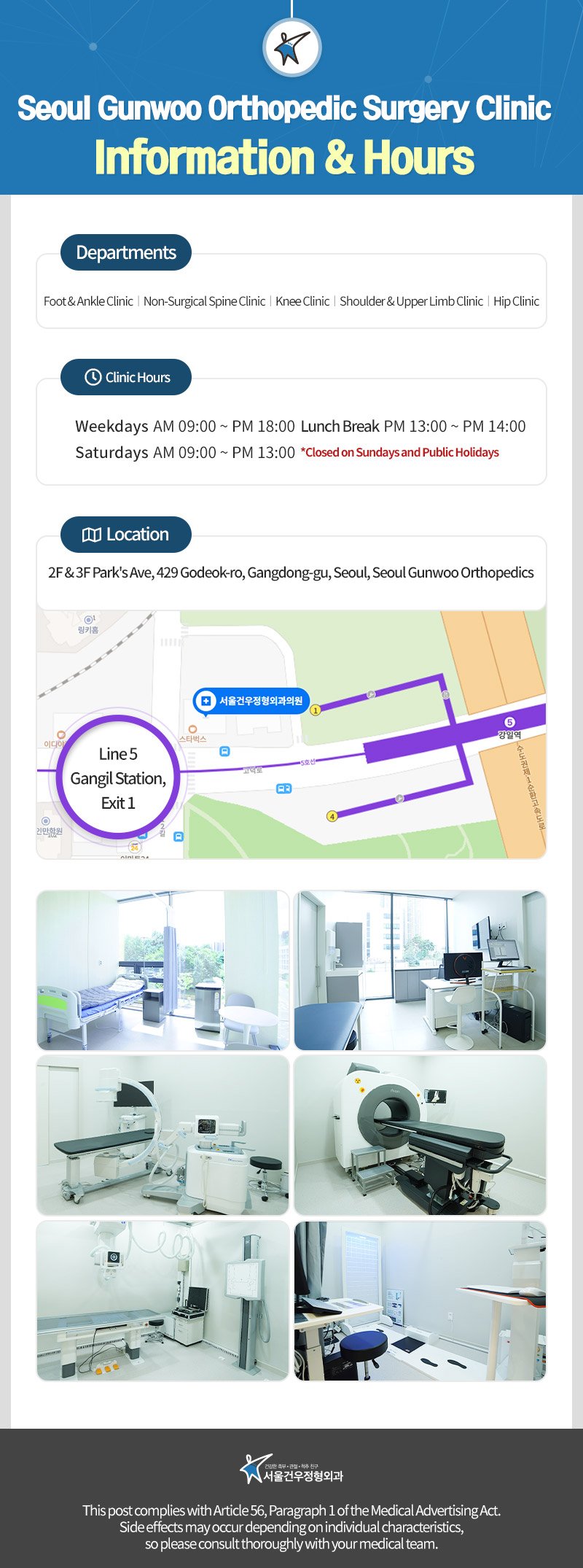
Practical planning can make an orthopedic consultation more productive. Prepare a concise description of your symptoms, bring relevant health information, and consider which activities you want to discuss. Seoul Gunwoo Orthopedic Surgery Clinic is located in Gangdong-gu and has assessment, treatment, and rehabilitation facilities in one building. The medical staff can explain which services are relevant to your condition after reviewing your concerns.
Preparing for your consultation
Think about when you first noticed discomfort and whether it has changed. Note where your shoes press, which activities make symptoms worse, and whether you have difficulty moving the toe. Bring a list of current medicines and relevant medical conditions, along with any previous records you have available. If you have already tried measures to relieve pressure, be ready to describe what helped and what did not. These details can guide the conversation with the attending doctor.
Consider bringing the footwear that causes the most difficulty, or be prepared to describe its fit. The medical staff can take your account of pressure and daily activity into consideration when discussing symptoms. If you have concerns beyond pain, such as difficulty walking or changes in the position of other toes, mention those too. Write down questions in advance so that practical issues are not overlooked. For example, ask whether an examination or imaging is appropriate, what treatment choices are available, and how follow-up would work. Preparation is especially useful when symptoms affect more than one aspect of daily life.
A useful visit starts with a clear account of symptoms and the activities they affect. Bring your questions and relevant health information so the medical staff can discuss care in the context of your daily routine.
Understanding the clinic’s facilities
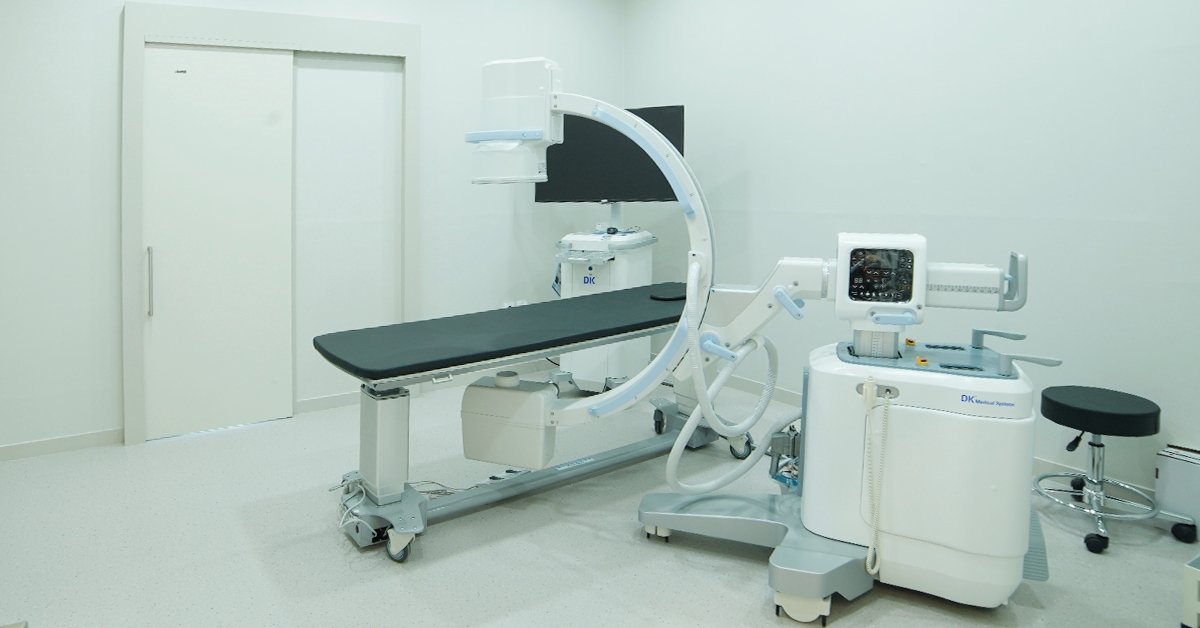
Seoul Gunwoo Orthopedic Surgery Clinic has CT, ultrasound, gait analysis, and rehabilitation facilities in the same building as its operating and inpatient rooms. The clinic’s published foot and ankle focus also includes ankle ligament surgery, ankle fracture surgery, Achilles tendon repair, ankle cartilage, and ankle arthritis. These areas of care provide context for the clinic’s orthopedic focus; they do not mean that every patient needs the same assessment or treatment.
Imaging and gait analysis are tools that can help inform an assessment when clinically appropriate. CT provides detailed images of internal structures, while ultrasound uses sound waves to produce images. Gait analysis examines aspects of how a person walks. The attending doctor can explain whether any of these tools are relevant to your symptoms and what information the assessment is intended to provide. Rehabilitation is also available in the building, but the need for it and the plan used should be discussed individually. Ask how any recommended test or service fits into your overall care rather than treating the availability of equipment as a reason to use it automatically.
Hours and access
Seoul Gunwoo Orthopedic Surgery Clinic is near Gangil Station, Exit 1. Consultation hours are listed in Korea Standard Time. Weekday visits include a lunch break, while Saturday consultations are available in the morning. The clinic is closed on Sundays and public holidays. If you are arranging a visit around work or travel, allow time to discuss your symptoms and questions rather than treating the appointment as only a scheduling task.
Before traveling, consider how you will reach the clinic and whether foot pain affects your ability to walk from the station. Bring relevant records and a written list of questions if that will help you explain your concerns. If surgery is later discussed, transport after the procedure is a separate planning question: ask the medical staff what arrangements are appropriate for your proposed care. The consultation is the right time to raise practical concerns about mobility and support.
| Day | Consultation hours |
|---|---|
| Monday–Friday | 09:00–18:00; lunch break 13:00–14:00 |
| Saturday | 09:00–13:00 |
| Sunday and public holidays | Closed |
Use the consultation to clarify the next step that matters for you, whether that is symptom management, further assessment, or a discussion of bunion correction. Ask the medical staff to explain the plan and any preparation or follow-up it involves. Costs depend on the care required, so ask about the expected charges for your individual plan. A considered decision combines clinical advice with a practical understanding of how treatment may affect your routine.

Frequently Asked Questions
Q.What kind of care does Seoul Gunwoo Orthopedic Surgery Clinic offer?
A.Seoul Gunwoo Orthopedic Surgery Clinic is an orthopedic clinic focused on foot and ankle care. Its published areas of care include bunion correction, ankle ligament surgery, and Achilles tendon repair.
Q.Who might consider a consultation at Seoul Gunwoo Orthopedic Surgery Clinic?
A.A consultation can be useful for someone with bunion discomfort that affects walking or makes footwear difficult to wear. The medical staff can assess the symptoms and discuss appropriate care.
Q.Does Seoul Gunwoo Orthopedic Surgery Clinic offer bunion correction?
A.Yes. Bunion correction is one of the clinic’s published areas of care; the appropriate treatment depends on an individual assessment.
Q.What should I prepare before my visit?
A.Bring a list of your symptoms, current medicines, and relevant medical history. It can also help to note which activities or shoes cause discomfort and what measures you have already tried.
Q.Where is Seoul Gunwoo Orthopedic Surgery Clinic, and how can I contact it?
A.The clinic is at 2F–3F, 429 Godeok-ro, Gangdong-gu, Seoul, Republic of Korea, near Gangil Station, Exit 1. Call 02-426-9876 to ask about a visit.
Clinic Information
| Clinic | Seoul Gunwoo Orthopedic Surgery Clinic |
|---|---|
| Specialty | Orthopedics |
| Address | 2F-3F, 429, Godeok-ro, Gangdong-gu, Seoul, Republic of Korea |
| Phone | 02-426-9876 |
| Website | https://seoulfoot.sillajewelry.com |
| Specialist | Specialist care |
 Seoul Gunwoo Orthopedic Surgery Clinic