
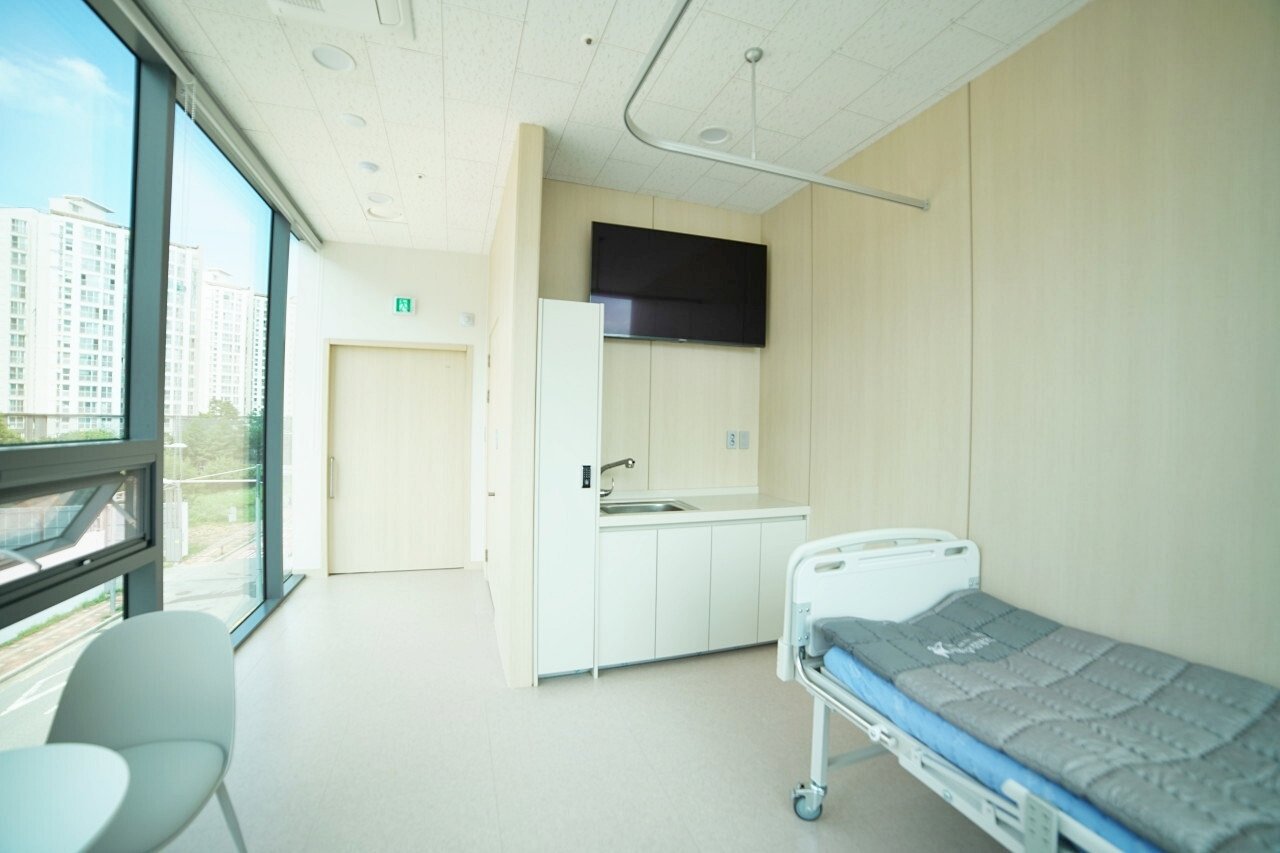
How to evaluate an ankle surgery specialist in Seoul
Choosing a clinician for an ankle concern calls for more than searching by procedure name. First, clarify the problem being treated and whether surgery has been recommended after an appropriate assessment. Then ask about the clinician’s relevant experience, the reasoning behind the proposed plan, and the expected recovery process. A clear explanation of your diagnosis and options is an important part of an informed decision. Seoul Gunwoo Orthopedic Surgery Clinic is an orthopedic clinic; contact the clinic to ask about the care relevant to your needs.
Check credentials and relevant experience
Start by confirming the clinician’s professional qualifications and the scope of the clinic’s orthopedic care. Ask whether the clinician regularly evaluates conditions like yours and what factors inform a recommendation for surgery. Experience should relate to the specific condition, not simply to surgery in general. A direct, understandable answer can help you assess whether the clinician has considered your symptoms, examination findings, and goals together.
It is also reasonable to ask how the diagnosis was reached and what information supports the proposed treatment. Depending on the case, the clinician may discuss examination findings or imaging as part of the assessment. Ask who will explain the findings and who will be responsible for your care if you proceed. Do not assume that a clinic’s name or broad specialty alone confirms experience with a particular ankle condition. Instead, seek a specific explanation of how the clinician approaches your concerns, what alternatives are appropriate, and what further evaluation may be needed before making a decision.
Look for a clinician whose experience is relevant to your particular ankle problem, and ask how the diagnosis supports the proposed plan. A thorough explanation should cover reasonable alternatives as well as surgery.
Understand the diagnosis before discussing an operation
An ankle symptom can have different causes, so an operation should not be treated as the starting point of every evaluation. Describe when the problem began, what activities affect it, and how it limits daily life. Ask the clinician to explain the suspected cause in plain language and how the assessment supports that conclusion. This helps you understand whether the proposed approach addresses the source of the problem or mainly its symptoms.
Before deciding, ask what non-surgical approaches may be suitable and under what circumstances surgery would be considered. If an operation is recommended, clarify its purpose, the expected benefits, and the limitations relevant to your condition. Ask what could happen if you wait, and whether additional assessment would change the recommendation. These questions are not a challenge to the clinician; they are part of shared decision-making. A sound plan should connect your symptoms and findings to a specific treatment goal. If you leave unsure what the diagnosis means, ask for a simpler explanation before agreeing to a next step.
Compare communication and decision-making
Notice whether the clinician listens to your account, addresses your questions, and explains uncertainty without pressure. You should be able to describe your priorities, including work, mobility, and activities you hope to resume. A useful discussion makes clear what is known, what remains uncertain, and what choices are available. These details can help you decide whether the care approach fits your needs and whether you have enough information to proceed.
Prepare a concise record of your symptoms, previous evaluations, current medicines, and relevant health history. Bring any reports or imaging you already have, if available. Ask whether the clinician needs additional information before advising you. If you want another opinion, you can request copies of relevant records and ask what materials would help another clinician review the case. Taking time to understand the reasoning is more useful than choosing solely by a procedure label. The decision should reflect your condition, informed preferences, and the clinician’s assessment rather than assumptions about a guaranteed outcome.
Seoul Gunwoo Orthopedic Surgery Clinic is located in Gangdong-gu, Seoul, and provides orthopedic care. When contacting the clinic, describe the ankle concern and ask whether the clinic can assess the issue you wish to discuss. You can also ask what records to bring and how to arrange an appointment. That practical conversation can help establish whether the clinic is an appropriate place to begin seeking an orthopedic evaluation.
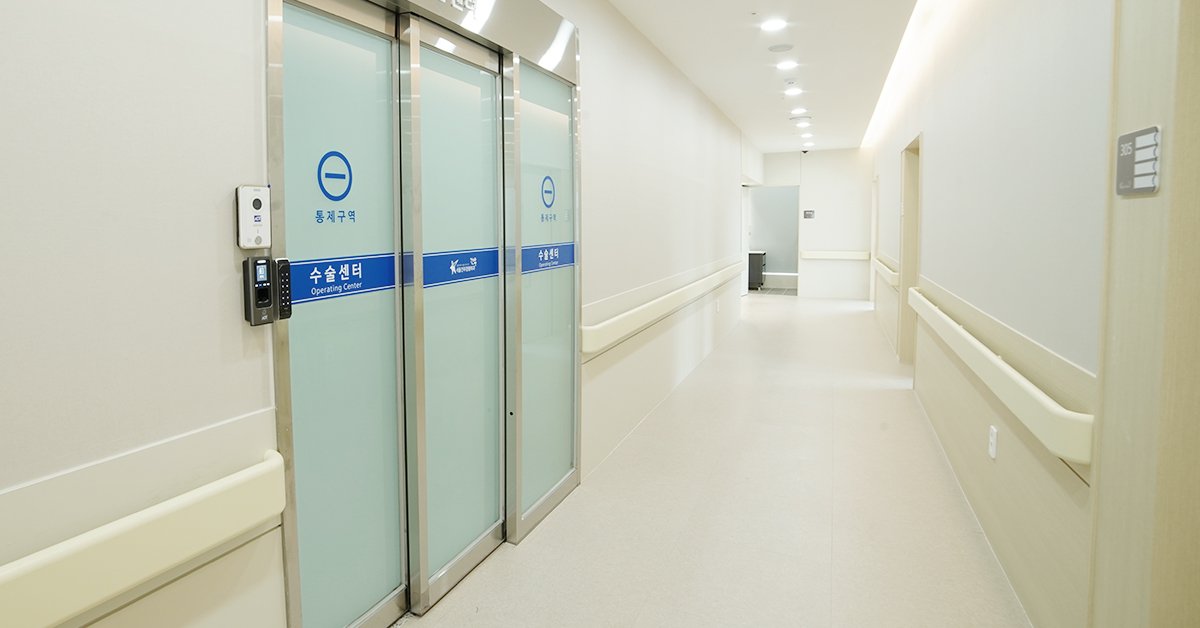
Questions to ask an ankle surgery specialist in Seoul
A productive consultation should leave you with a practical understanding of the diagnosis, the purpose of treatment, and the steps ahead. Write down your main concerns before the visit so important questions are not lost during the discussion. Ask the clinician to explain unfamiliar terms and distinguish what is known from what depends on your individual condition. Before considering surgery, make sure you understand why it is being proposed and what alternatives have been considered.
Ask about the treatment plan and alternatives
Ask what the recommended treatment is intended to improve and how the clinician will assess progress. If surgery is proposed, request an explanation of why it may be appropriate for your diagnosis and what other approaches could be considered. A useful answer should relate to your symptoms and findings rather than rely on a general description of an operation. It should also make clear which decisions remain open for discussion.
Clarify what the treatment involves at a high level, what preparation may be required, and what follow-up care the clinician expects. Ask which parts of the plan are specific to your case and which are routine considerations. Discuss how your health history or daily responsibilities may affect planning. You can also ask who to contact if questions come up after the consultation. The aim is not to predict every detail in advance; it is to understand the plan well enough to make an informed choice. If an explanation is unclear, ask for it to be restated in everyday language. A careful discussion should leave room for questions and reflect the facts of your individual evaluation.
Use your consultation to connect the diagnosis with the treatment goal, alternatives, and follow-up plan. Clear answers help you decide whether the recommendation fits your needs and whether you are ready to proceed.
Discuss recovery and day-to-day needs
Recovery depends on the condition and the treatment plan, so ask the clinician what to expect in your own case. Discuss how the plan may affect walking, work, household tasks, and other activities. Ask what support or adjustments may be useful and how follow-up will be arranged. These practical details can help you plan responsibly without relying on a timeline that may not apply to you.
Ask which changes during recovery should prompt you to contact the care team and how to reach the clinic with concerns. If you have caregiving duties, travel plans, or work requirements, explain them before a treatment decision is made. The clinician can then consider those circumstances when discussing options and planning care. Avoid comparing your expected recovery with another person’s experience: treatment and recovery are individual. Ask for guidance tailored to your diagnosis rather than a fixed promise about when you will return to every activity. If surgery is under consideration, make sure the discussion covers follow-up and the support you may need after the procedure, not only the operation itself.
Bring useful information to the consultation
A short symptom history can make the conversation more focused. Note when the ankle problem began, what makes it better or worse, and how it affects your usual activities. List relevant health conditions and medicines, and bring previous test reports or imaging if you have them. This information gives the clinician a clearer starting point for discussing your concerns and possible next steps.
Before the appointment, choose the questions that matter most to you and keep them in writing. For example, ask what the clinician thinks is causing the problem, what evidence supports that view, and what options are appropriate. If you are unsure about a term or instruction, ask for clarification during the visit rather than relying on memory later. A companion may help you take notes if you would find that useful. You do not need to arrive with a preferred operation in mind; an open discussion of your symptoms and priorities is a more helpful basis for evaluation.
For an appointment or a question about orthopedic care, contact Seoul Gunwoo Orthopedic Surgery Clinic directly. Explain that you are seeking an assessment for an ankle concern, and ask what information to bring. Sharing your main symptoms when you call can help the clinic guide you on the next practical step.
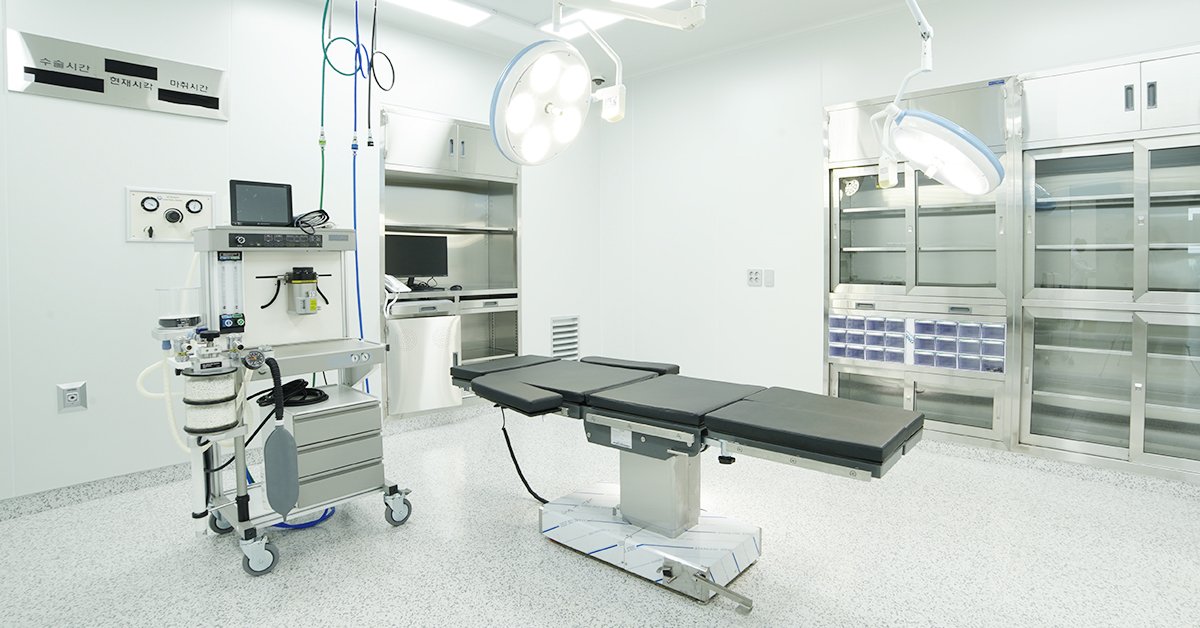
Choosing an ankle surgery specialist in Seoul for ongoing care
Choosing where to seek care includes considering access, communication, and how clearly the clinic can explain the next steps. For a surgical decision, the quality of the evaluation matters alongside convenience: you should understand the diagnosis, the reason for the proposed plan, and the follow-up process. Seoul Gunwoo Orthopedic Surgery Clinic is an orthopedic clinic in Seoul. Contact the clinic to ask whether it can address your specific concern and what to expect when arranging an evaluation.
Consider the whole course of care
Think beyond the initial appointment. Ask how findings will be reviewed, how treatment choices will be explained, and what follow-up is available if you move forward with a plan. For ankle concerns, practical issues such as getting to appointments and arranging help during recovery may affect what is manageable for you. Discuss these factors early so they can be considered alongside clinical information.
It can help to compare care options using the same questions each time: What is the diagnosis? What is the purpose of the proposed treatment? What alternatives are relevant? What follow-up should I expect? Consistent questions make it easier to compare explanations without assuming that one approach suits everyone. Pay attention to whether the clinician responds directly and makes room for your concerns. A decision should be based on your assessment and priorities, not on an implied guarantee of a particular result. If you need time to consider a recommendation, ask what information you should review and whether there is a suitable point to discuss the decision again.
Good care planning considers both the clinical recommendation and the practical realities of treatment and follow-up. Ask consistent questions, discuss your priorities, and take the time you need to understand the options.
Look for clear, respectful communication
Communication is an important part of evaluating an orthopedic clinic. You should be able to explain your symptoms without feeling rushed and ask for clarification when information is unfamiliar. The clinician should describe the reasoning behind the assessment in terms you can follow. If you are uncertain about a recommendation, say so and ask what further explanation or information may help.
Clarity also matters after the consultation. Before leaving, make sure you understand the next step, any instructions you were given, and how to contact the clinic with questions. If an operation is discussed, ask which details are confirmed for your case and which depend on further assessment. Keep notes on the diagnosis and options so you can review them later. Good communication does not mean that every answer is simple or certain; it means the clinician explains what is known and responds honestly to what remains unclear. Feeling able to ask questions supports a more informed discussion, but it does not replace a clinical evaluation.
Plan your visit and follow-up
Before visiting, confirm how to arrange an appointment and ask whether you should bring previous records or imaging. Write down your medicines and relevant health history, and prepare a brief description of how the ankle concern affects you. These steps can make the first discussion more efficient and help the clinician understand what matters most to you.
After the visit, review the information you received and note any questions that came up later. If you are considering a treatment decision, make sure you understand the purpose, alternatives, and follow-up before proceeding. Contact the clinic if you need clarification about the next step or how to arrange further discussion. Do not treat general online information as a substitute for advice based on your own examination. An orthopedic clinician can assess your individual circumstances and explain which options are relevant.
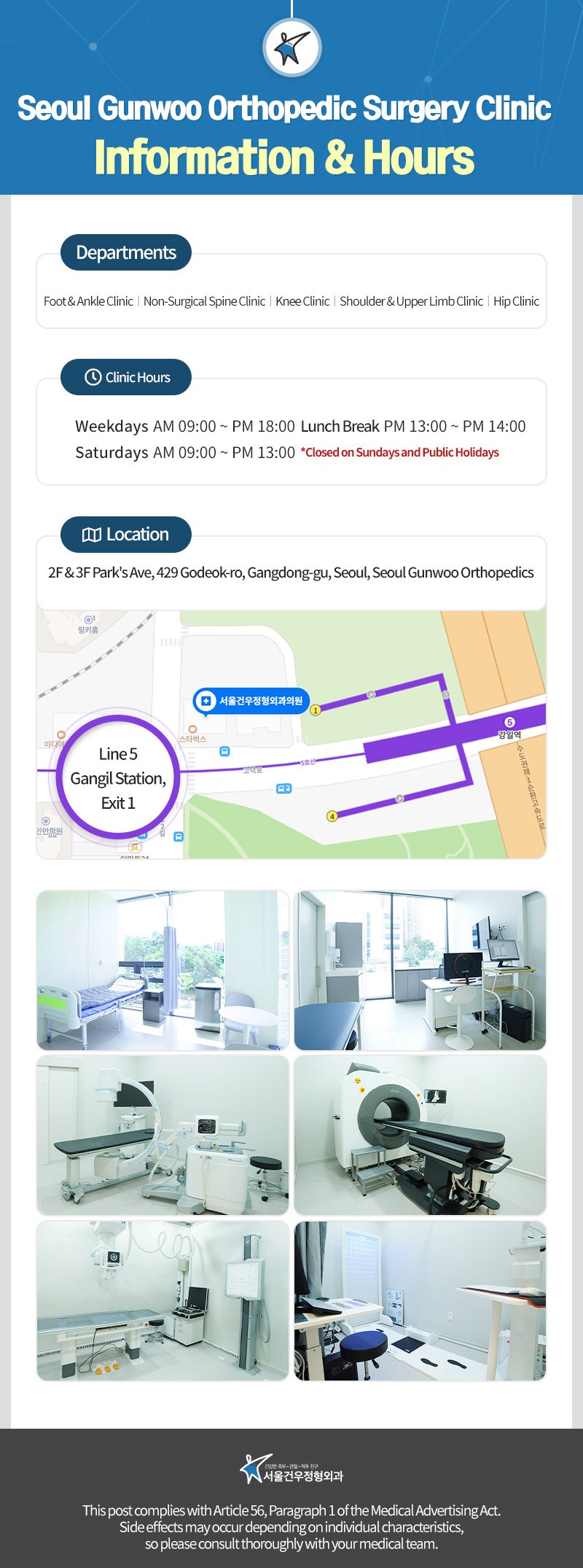
Seoul Gunwoo Orthopedic Surgery Clinic is at 2F-3F, 429, Godeok-ro, Gangdong-gu, Seoul, Republic of Korea. The clinic’s phone number is 02-426-9876. Call to ask about arranging an orthopedic appointment and what to bring for an ankle-related evaluation.

Frequently Asked Questions
Q.What kind of clinic is Seoul Gunwoo Orthopedic Surgery Clinic?
A.Seoul Gunwoo Orthopedic Surgery Clinic is an orthopedic clinic in Gangdong-gu, Seoul. Contact the clinic directly to ask about care related to your specific ankle concern.
Q.Who may want an orthopedic evaluation for an ankle problem?
A.People with ankle symptoms that persist, limit daily activities, or raise concerns after an injury may wish to seek an evaluation. A clinician can assess the individual situation and discuss appropriate next steps.
Q.What should I discuss if ankle surgery is being considered?
A.Ask about the diagnosis, why surgery is being considered, relevant alternatives, and what follow-up may involve. The treatment discussion should be based on your individual assessment.
Q.What should I prepare before an appointment?
A.Write down your symptoms, relevant health history, and medicines, and bring previous reports or imaging if available. Call ahead to ask whether the clinic recommends bringing anything else.
Q.Where is Seoul Gunwoo Orthopedic Surgery Clinic, and how can I contact it?
A.Seoul Gunwoo Orthopedic Surgery Clinic is at 2F-3F, 429, Godeok-ro, Gangdong-gu, Seoul, Republic of Korea. Call 02-426-9876 to ask about arranging an appointment.
Clinic Information
| Clinic | Seoul Gunwoo Orthopedic Surgery Clinic |
|---|---|
| Specialty | Orthopedics |
| Address | 2F-3F, 429, Godeok-ro, Gangdong-gu, Seoul, Republic of Korea |
| Phone | 02-426-9876 |
| Website | https://seoulfoot.sillajewelry.com |
| Specialist | Specialist care |
 Seoul Gunwoo Orthopedic Surgery Clinic