
What “Best foot and ankle specialist in Seoul” should mean
Searching for the best foot and ankle specialist in Seoul is most useful when it leads to practical questions: Does the clinic assess your specific concern, explain relevant options, and have facilities that support the care being discussed? Seoul Gunwoo Orthopedic Surgery Clinic is an orthopedics clinic offering care for bunions, ankle ligament concerns, Achilles tendon conditions, heel pain, and plantar fasciitis. Start by checking whether the clinic’s services match the problem you want assessed, rather than relying on a broad label.
Match the service to your concern
Foot and ankle symptoms can involve different structures, so the first step is to describe the location and nature of your concern clearly. Seoul Gunwoo Orthopedic Surgery Clinic lists bunion care, ankle ligament care, Achilles tendon care, and care for heel pain and plantar fasciitis. These services make the clinic relevant to people seeking an orthopedic assessment for those concerns. When arranging care, explain what feels unusual and what activities bring it on. That gives the medical staff useful context for the assessment.
It can also help to note when the symptoms began, whether they have changed, and what you have already tried. This is not a substitute for an examination; it is a way to give the medical staff a clear account of your concern. The clinic’s listed approach to heel pain and plantar fasciitis includes assessment, stretching, shockwave therapy, and discussion of persistent symptoms. Those options may be considered in relation to an individual assessment rather than treated as a single plan for everyone. Ask how the proposed next step relates to your symptoms and findings. Clear explanations help you understand what is being considered and why.
Good foot and ankle care begins with identifying the concern and understanding the assessment behind the plan. Look for services that correspond to your symptoms, then discuss which options are appropriate for your individual situation.
Consider the available assessment resources
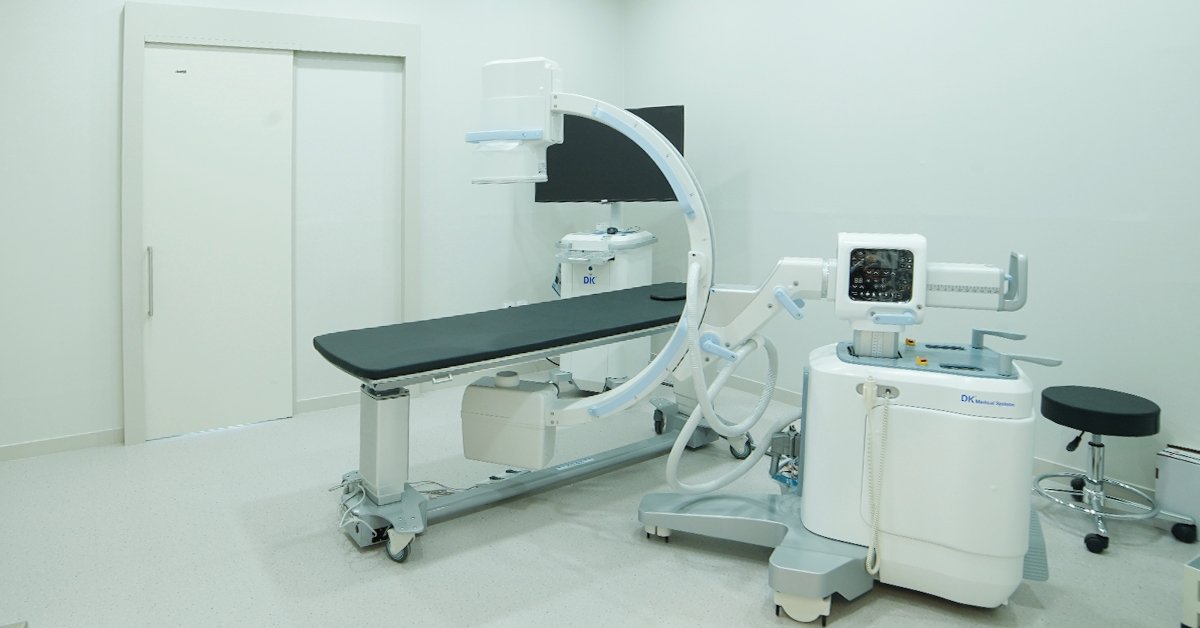
Seoul Gunwoo Orthopedic Surgery Clinic has CT, ultrasound, and gait analysis in its building, alongside operating rooms, inpatient rooms, and rehabilitation. These resources relate to different parts of orthopedic assessment and care, but having equipment available does not mean every patient needs every test or service. The medical staff can determine what is relevant to the concern being evaluated. Ask what an assessment is intended to clarify and how its findings will inform the next step.
For a foot or ankle concern, the consultation is an opportunity to explain how the issue affects walking, standing, exercise, or daily activities. Gait analysis is among the resources available at the clinic; whether it is relevant depends on the assessment. CT and ultrasound are also available, but a test should be considered in the context of the particular concern rather than assumed to be routine. If you have previous imaging or records, ask whether they would be useful to bring. The aim is a clear discussion of your symptoms, the findings, and the options being considered—not a checklist of equipment. Understanding why a resource may be used can make the care plan easier to follow.
Look for care that reflects the condition
Different concerns call for different conversations. A bunion, ankle ligament problem, Achilles tendon condition, or persistent heel pain should not be treated as interchangeable simply because each affects the lower limb. The clinic’s published services cover these areas, and its published surgical work includes bunions, ankle ligament repair and reconstruction, Achilles tendon repair, ankle cartilage, ankle arthritis, and fractures. This range can help patients identify relevant areas to discuss during an orthopedic consultation.
For example, someone seeking care for heel pain can ask about assessment, stretching, shockwave therapy, and how persistent symptoms are discussed. Someone with a bunion can ask what findings influence the available approach. For an ankle ligament concern, it is reasonable to ask whether the discussion involves repair or reconstruction, if surgery is being considered. Use the consultation to clarify which service applies to your specific condition, rather than assuming that a named procedure is suitable based on symptoms alone. Treatment decisions depend on the medical assessment and the details of the individual case.
| Concern or care area | Published services or techniques |
|---|---|
| Bunions | Bunion care; MICA minimally invasive bunion surgery |
| Ankle ligaments | Ankle ligament care; Modified Broström ligament repair; ligament reconstruction |
| Achilles tendon | Achilles tendon care; ultrasound-guided Achilles repair |
| Heel pain and plantar fasciitis | Assessment, stretching, shockwave therapy, and discussion of persistent symptoms |
| Ankle cartilage | OATS |
| Bunions and fractures | Absorbable screws for fixation |
This overview is a starting point for a conversation, not an indication that a specific procedure is right for you. The clinic’s published surgical work includes the procedures and areas listed above, while an individual care plan follows assessment of the patient’s condition. Ask what the procedure is intended to address, what alternatives are being considered, and what the next steps involve. A clear explanation should connect the concern, the clinical findings, and the proposed approach.
How to assess the best foot and ankle specialist in Seoul for your needs
When comparing care options, focus on the questions that affect your own decision: whether the clinic sees your type of concern, what assessment may involve, and how treatment options are discussed. Seoul Gunwoo Orthopedic Surgery Clinic lists both non-surgical care for heel pain and plantar fasciitis and surgical work across several foot and ankle conditions. Knowing the scope of care helps you prepare focused questions without assuming that every listed service applies to every patient. The consultation should connect your symptoms to an individualized assessment.
Ask how your symptoms will be assessed
A useful consultation begins with a clear account of the concern: where it is, when it occurs, and how it affects movement or daily activities. The clinic has CT, ultrasound, and gait analysis available in the building. These are resources for assessment, not tests that every patient necessarily needs. Ask what information the medical staff is looking for and whether any imaging or movement assessment is relevant to your situation. Knowing the purpose of an assessment can help you understand the reasoning behind the care plan.
Before a visit, consider writing down when the symptoms started, what activities seem to affect them, and whether the pattern has changed. If you have previous imaging, treatment notes, or other relevant records, you can ask whether to bring them. At the consultation, describe your concern in your own words and mention what you hope to return to or manage more comfortably. The medical staff can then assess which details need further discussion. It is also reasonable to ask what the next step would be if the initial findings do not fully explain the symptoms. A focused history and appropriate assessment help make the discussion specific to you.
Assessment resources are useful when they answer a clinical question. Share a clear account of your symptoms, and ask how any examination or test findings will shape the options discussed with you.
Understand the range of treatment discussions
The clinic’s services span assessment and non-surgical care for heel pain and plantar fasciitis, as well as published surgical work for conditions such as bunions, ankle ligament problems, Achilles tendon concerns, ankle cartilage, arthritis, and fractures. For heel pain and plantar fasciitis, the listed approach includes stretching and shockwave therapy, with discussion of persistent symptoms. A consultation can clarify which approaches are relevant to your findings and goals.
Published techniques include MICA minimally invasive bunion surgery, Modified Broström ligament repair, ligament reconstruction, ultrasound-guided Achilles repair, and OATS. These are distinct procedures associated with different conditions; their presence on a service list does not determine whether a patient needs surgery. If a procedure is raised, ask what problem it is intended to address and what other approaches might be considered. You can also ask how the medical staff will assess your progress and what follow-up discussions may involve. Specific questions help turn a list of treatment names into an understandable, individual conversation. The appropriate decision depends on your assessment and clinical circumstances.
Use the facilities as a practical consideration
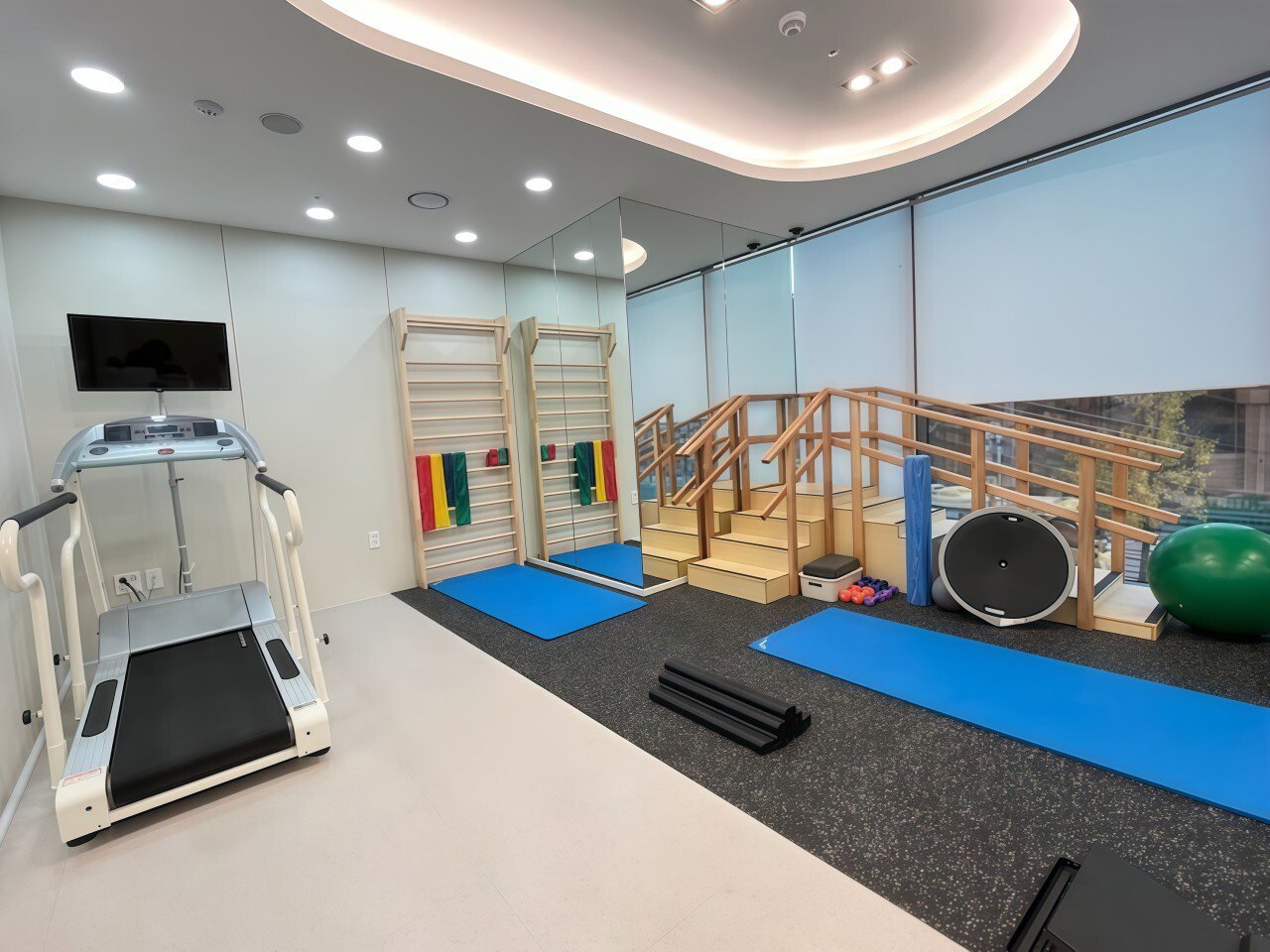
Seoul Gunwoo Orthopedic Surgery Clinic has operating rooms, inpatient rooms, CT, ultrasound, gait analysis, and rehabilitation in one building. This describes the facilities available at the clinic; it does not mean that every patient will need imaging, admission, surgery, or rehabilitation. The relevant services depend on the assessment and care plan. If a particular resource is mentioned during consultation, ask how it relates to your condition and what role it may have in the next step.
Having these facilities in one building can be a practical point to consider when you are learning about the clinic’s setup. Still, the most important question is whether a proposed service fits your clinical needs. For example, someone discussing heel pain may want to understand the available assessment and non-surgical options, while someone discussing a surgical procedure may want to ask about the process and associated care. Consider both the clinic’s available resources and the explanation of why a particular resource or service is relevant to you. This keeps the conversation centered on the individual case rather than the equipment alone.
For a more useful discussion, prepare a short list of questions before the appointment. You might ask what the assessment is intended to establish, which treatment options are relevant, and what follow-up involves. If surgery is discussed, ask for an explanation of the named technique and its purpose in your case. These questions support informed decision-making without presuming a particular outcome. Make sure you understand the proposed next step before proceeding.
Preparing to visit a foot and ankle clinic in Seoul
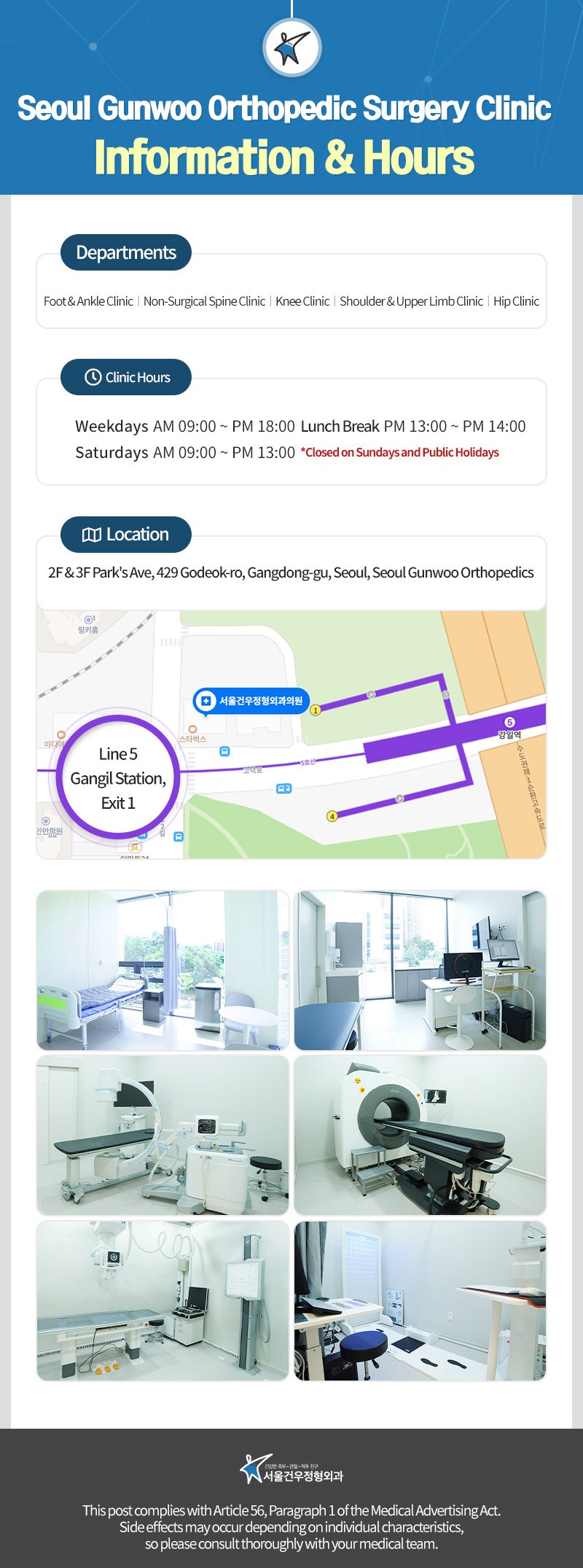
Preparation can make an orthopedic consultation more focused. Before visiting Seoul Gunwoo Orthopedic Surgery Clinic, think about the main concern you want addressed and how it affects movement or daily activities. Bring relevant records if available, and prepare questions about assessment and treatment options. The clinic is located at 2F-3F, 429, Godeok-ro, Gangdong-gu, Seoul, Republic of Korea. A clear description of your symptoms and a few practical questions can help guide the consultation.
Organize the details of your concern
It may be helpful to note the location of discomfort, when it occurs, and what activities affect it. If the concern has changed over time, describe that pattern as accurately as you can. For heel pain or plantar fasciitis concerns, the clinic lists assessment, stretching, shockwave therapy, and discussion of persistent symptoms. These details can help frame a conversation about which options may be relevant, but they do not replace an individual assessment. Bring any relevant records you already have and ask whether they can inform the discussion.
Try to distinguish what you have noticed from what you suspect may be causing it. For instance, describe how walking or standing feels rather than deciding in advance which structure is involved. If you are seeking care for a bunion, ankle ligament concern, or Achilles tendon condition, state that clearly and explain what prompted you to seek an assessment. The medical staff can then discuss the clinic’s relevant services and determine what further evaluation is appropriate. Accurate, concise details are more useful than trying to diagnose the problem yourself. You can also write down your priorities, such as understanding the available options or asking about persistent symptoms.
Preparation does not need to be complicated: bring relevant records, describe how the concern affects you, and ask what the assessment is meant to clarify. That creates a more focused starting point for discussing care.
Discuss procedures and next steps clearly
If a procedure is discussed, ask for its name, the condition it is intended to address, and how the medical staff reached that recommendation. Seoul Gunwoo Orthopedic Surgery Clinic lists techniques including MICA minimally invasive bunion surgery, Modified Broström ligament repair, ligament reconstruction, ultrasound-guided Achilles repair, and OATS. These names describe different approaches and should be discussed in relation to the individual findings. Request an explanation in plain language before making decisions about a proposed procedure.
The clinic’s published surgical work also covers bunions, ankle ligament repair and reconstruction, Achilles tendon repair, ankle cartilage, ankle arthritis, and fractures. A published procedure is not a recommendation for every person with a related symptom. The consultation is the place to understand whether a surgical or non-surgical approach is being considered and why. For heel pain and plantar fasciitis, the clinic lists assessment, stretching, shockwave therapy, and discussion of persistent symptoms. Ask how the proposed plan will be reviewed and what questions you should raise if symptoms continue. Clear communication about purpose and next steps helps you take part in decisions about your care.
Plan the practical details of your visit
Seoul Gunwoo Orthopedic Surgery Clinic is at 2F-3F, 429, Godeok-ro, Gangdong-gu, Seoul, Republic of Korea. The clinic’s phone number is 02-426-9876. If you are arranging a visit, you can call to ask about booking and what information to bring. Keep your notes and any relevant records together so they are easy to refer to during the consultation. These simple steps can help you use the appointment time to discuss your concern and the options being considered.
Before you go, decide which questions matter most to you. You may want to ask what the assessment involves, whether any available imaging or gait analysis is relevant, and what treatment options fit your case. If surgery is discussed, ask about the procedure’s purpose and the next steps in the care plan. Having your questions ready can help keep the visit centered on the information you need. The consultation is also an opportunity to explain any concerns about persistent symptoms and clarify how they will be addressed.
To arrange a visit or ask about booking, contact Seoul Gunwoo Orthopedic Surgery Clinic at 02-426-9876. The clinic’s address is 2F-3F, 429, Godeok-ro, Gangdong-gu, Seoul, Republic of Korea. When calling, briefly explain the foot or ankle concern you want assessed so the clinic can direct your inquiry appropriately.

Frequently Asked Questions
Q.What kind of care does Seoul Gunwoo Orthopedic Surgery Clinic provide?
A.Seoul Gunwoo Orthopedic Surgery Clinic is an orthopedics clinic offering care for bunions, ankle ligament concerns, Achilles tendon conditions, heel pain, and plantar fasciitis. Its published surgical work also covers ankle cartilage, ankle arthritis, and fractures.
Q.Who may consider visiting Seoul Gunwoo Orthopedic Surgery Clinic?
A.People seeking an orthopedic assessment for bunions, ankle ligament concerns, Achilles tendon conditions, heel pain, or plantar fasciitis may contact the clinic. The medical staff can assess individual symptoms and discuss relevant options.
Q.What treatments and procedures are listed by Seoul Gunwoo Orthopedic Surgery Clinic?
A.For heel pain and plantar fasciitis, the clinic lists assessment, stretching, shockwave therapy, and discussion of persistent symptoms. Published techniques include MICA minimally invasive bunion surgery, Modified Broström ligament repair, ligament reconstruction, ultrasound-guided Achilles repair, and OATS.
Q.What should I prepare before an appointment?
A.Note when your symptoms began, what affects them, and how they affect your activities. Bring relevant records if available and prepare questions about assessment and treatment options.
Q.Where is Seoul Gunwoo Orthopedic Surgery Clinic, and how can I contact it?
A.Seoul Gunwoo Orthopedic Surgery Clinic is at 2F-3F, 429, Godeok-ro, Gangdong-gu, Seoul, Republic of Korea. Call 02-426-9876 to ask about booking.
Clinic Information
| Clinic | Seoul Gunwoo Orthopedic Surgery Clinic |
|---|---|
| Specialty | Orthopedics |
| Address | 2F-3F, 429, Godeok-ro, Gangdong-gu, Seoul, Republic of Korea |
| Phone | 02-426-9876 |
| Website | https://seoulfoot.sillajewelry.com |
| Specialist | Specialist care |
 Seoul Gunwoo Orthopedic Surgery Clinic