

How to Read Bunion Surgery Reviews in Seoul
Online reviews can offer personal perspectives on communication, appointments, and recovery, but they are not a substitute for an individual medical assessment. When comparing bunion surgery reviews in Seoul, focus on the details a reviewer shares: what symptoms led them to seek care, what was discussed, and how follow-up was handled. A review is most useful when it describes a specific experience rather than making a broad promise about results. Keep in mind that bunions and treatment plans differ, so one person’s experience may not match yours.
Look for details, not just ratings
A star rating does not explain the circumstances behind a patient’s experience. Read the accompanying account for concrete information about the consultation, the assessment, and the patient’s understanding of the proposed care. A detailed review may explain what questions were answered or how the next steps were discussed. These details are more informative than a rating alone, while still reflecting one person’s point of view.
It is also useful to notice whether a review distinguishes between the consultation, surgery, and recovery. These are separate parts of care, and a brief comment about one stage should not be treated as a complete account of the others. Consider the timing and context of the review, too: an early recovery account may describe a different stage than a later reflection. Reviews do not establish what treatment is right for another person, and they cannot confirm a likely medical outcome. Use them to identify topics you want to discuss, such as the assessment process, rehabilitation, or how persistent symptoms are addressed. Approach positive and negative accounts with the same care, and avoid drawing conclusions from a single story.
Patient reviews can help you understand what questions to ask, but they are personal accounts, not a forecast of your own care. Give more weight to clear descriptions of the process than to ratings or claims about guaranteed outcomes.
Separate personal experience from medical guidance
A patient can describe what they experienced, but a review cannot determine whether your foot needs surgery. Symptoms, examination findings, and individual circumstances all matter when considering care. Treat comments about a particular treatment as an account of that person’s plan—not as instructions to follow. If a review raises a concern, bring it to the consultation and ask how it relates to your own situation.
Reviews are also limited in how much clinical context they can provide. A writer may not know the details of their diagnosis or may use a general term to describe a specific procedure. For that reason, do not assume that two people with a visible bunion have the same condition or require the same approach. Instead, use reviews to prepare questions about what an assessment involves, how options are explained, and what follow-up might include. At Seoul Gunwoo Orthopedic Surgery Clinic, bunion care is among the services offered, and the clinic’s published surgical work includes bunions. An appropriate plan should be discussed in relation to your assessment, not chosen from someone else’s review.
Check whether the account is relevant to your questions
Before relying on a review, ask what you are hoping to learn from it. If you want to understand how appointments are handled, look for comments specifically about communication and the visit. If your questions concern recovery, distinguish accounts that describe that stage from those discussing only the decision to have surgery. Relevance matters more than whether a review agrees with your expectations.
Reviews may help you build a practical list of questions, but they should not be used to compare medical outcomes as if every patient began from the same point. Look for balanced descriptions that acknowledge individual circumstances rather than broad statements that imply the same result for everyone. You can also note unanswered questions for the medical staff, including how the condition will be assessed and what factors shape the care plan. Keep the review in its proper role: a source of questions, not a clinical recommendation. This approach makes online reading more useful while preserving room for a personal medical discussion.

What Bunion Surgery Reviews in Seoul Can Tell You About Care
Reviews can help readers understand how a clinic communicates and what practical steps a patient may have experienced. They cannot verify whether surgery is suitable for you or replace a discussion of your symptoms and examination. When considering Seoul Gunwoo Orthopedic Surgery Clinic, use reviews alongside factual information about its orthopedic services and facilities. The clinic provides bunion care, and its published surgical work includes bunions. Use your consultation to clarify the medical questions that reviews cannot answer.
Understand what is part of an assessment
Care begins with understanding the person’s concern and assessing the foot. Questions about symptoms, daily activities, and how the problem affects movement can help frame a medical discussion. Reviews may describe parts of a visit, but an online account cannot show how your own condition will be evaluated. Ask what information the medical staff will consider and how findings relate to possible next steps.
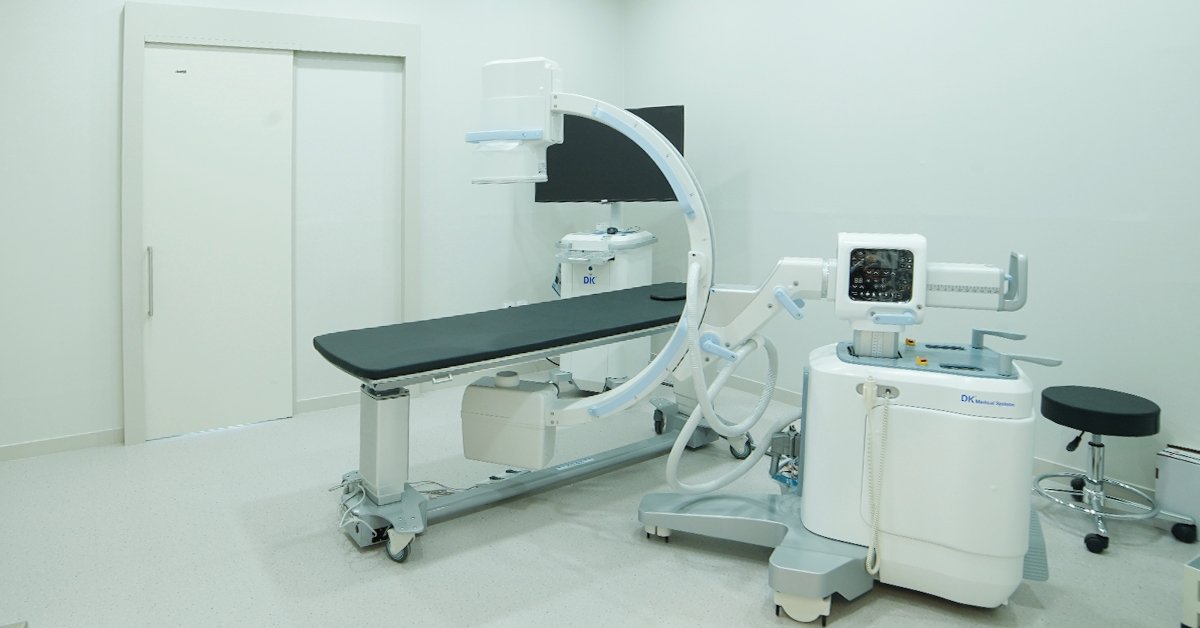
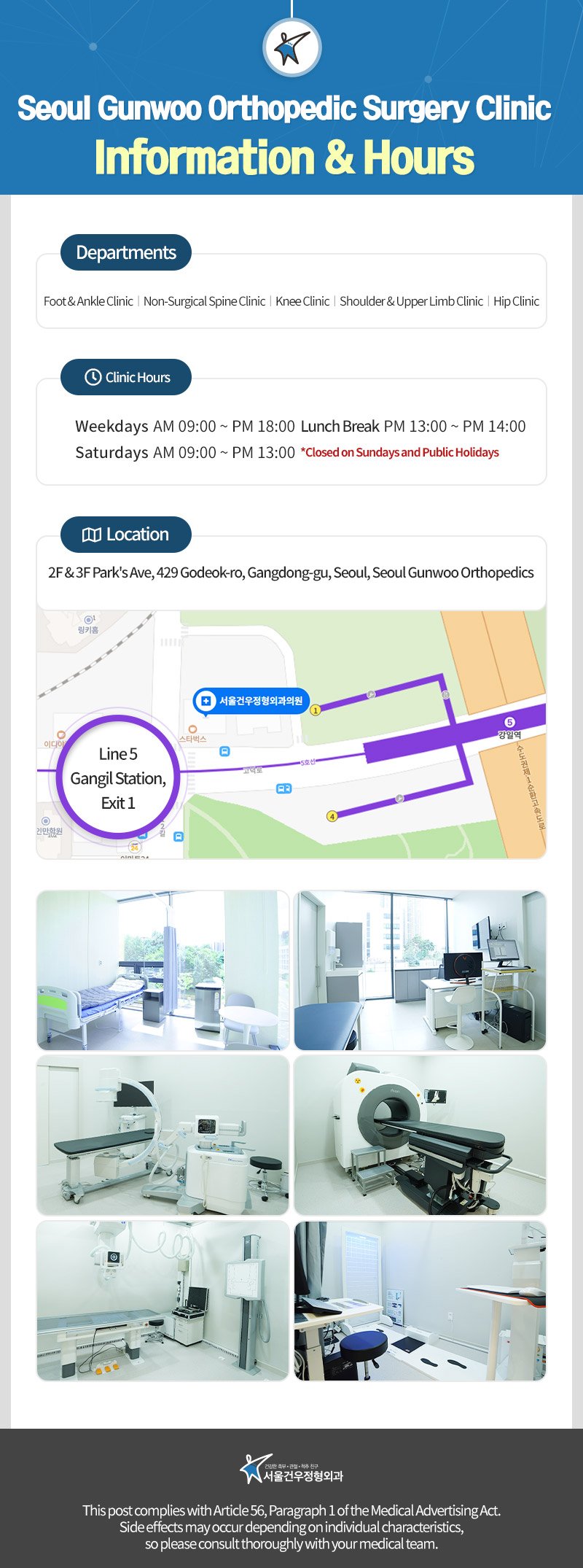
Seoul Gunwoo Orthopedic Surgery Clinic has CT, ultrasound, and gait analysis in the same building as its operating rooms, inpatient rooms, and rehabilitation services. The availability of these facilities is useful context when learning about the clinic, but it does not mean that every patient needs every test or service. The appropriate assessment depends on the individual case and the attending doctor’s clinical judgment. If a review mentions an examination or diagnostic test, treat that description as specific to the writer’s experience. Ask whether a similar step is relevant to you and how it would inform the discussion. Understanding why an assessment step is considered can be more helpful than simply knowing that it took place.
Review accounts may offer context about a patient’s visit, while the clinic’s stated services and facilities provide separate factual information. Your own assessment determines which examinations or care steps are relevant to your circumstances.
Ask how the treatment plan is determined
A useful consultation should allow you to discuss the condition and understand the options being considered. Ask what findings support the proposed plan and whether non-surgical care or surgery is being discussed. The clinic offers bunion care, and its published surgical work includes bunions. The specific approach should be explained in relation to your individual assessment rather than inferred from another patient’s account.
When reviews discuss surgery, note whether the writer identifies what was done and what follow-up they experienced. Even with those details, the account cannot establish that the same procedure is appropriate for you. The clinic’s published surgical work also covers ankle ligament repair and reconstruction, Achilles tendon repair, ankle cartilage, ankle arthritis, and fractures; these are distinct concerns and should not be confused with bunion care. Prepare questions about the purpose of any proposed procedure, the expected care pathway, and how rehabilitation fits into the plan. The medical staff can discuss the specifics of your case. Clear explanations help you make an informed decision without treating a review as a promise of results.
Consider the care setting and follow-up
Practical details can affect how a care plan fits into daily life. Seoul Gunwoo Orthopedic Surgery Clinic has operating rooms, inpatient rooms, CT, ultrasound, gait analysis, and rehabilitation in one building. Ask which facilities or services, if any, are relevant to the plan being discussed. A reviewer’s account of using a service does not mean that every patient will need the same service.
Recovery and follow-up are individual parts of care, so use reviews to identify questions rather than to set expectations for yourself. Ask what follow-up is planned, what rehabilitation may involve, and whom to contact with concerns after treatment. The clinic offers rehabilitation in the same building, but the role and timing of rehabilitation depend on the care plan. It is also reasonable to ask how activity guidance will be tailored to your condition. Make sure you understand the next steps before deciding how a review applies to you. Personal accounts can prompt a conversation; they cannot replace guidance from the medical staff who assess your case.
Preparing After Reading Bunion Surgery Reviews in Seoul
After comparing reviews, shift your attention from online opinions to the questions that matter for your own care. Write down your symptoms, what affects your daily activities, and anything you want clarified about assessment or treatment. Seoul Gunwoo Orthopedic Surgery Clinic is an orthopedic clinic providing bunion care, with published surgical work that includes bunions. A focused consultation is the place to discuss whether surgery is appropriate and what care may involve for your individual condition.
Organize your questions before a visit
Prepare a short, clear description of what you have noticed and how it affects you. Note the questions raised by your review reading, but separate general concerns from details specific to another patient. You may want to ask how the condition will be assessed, what options are being considered, and what follow-up or rehabilitation could involve. This preparation can help keep the conversation focused.
It can be helpful to bring a written list so that important concerns are not lost during the appointment. If reviews mention tests, procedures, or recovery experiences, ask whether those topics apply to your case rather than assuming they do. Questions about the purpose of an examination or the reasons behind a proposed treatment can clarify the discussion. You can also ask what information you should understand before making a decision. A consultation is an opportunity to discuss your own symptoms and the clinical findings, not to reproduce another person’s care pathway. Clear questions support a more informed conversation and help you distinguish general online information from guidance related to your circumstances.
Use reviews to identify questions, then bring those questions to a consultation about your own condition. A personal assessment—not an online account—guides discussion of whether surgery or another care approach is appropriate.
Keep expectations individual and evidence-minded
People can have different symptoms, clinical findings, and care plans, even when they use the same term for a foot concern. A review describes one person’s experience at a particular time; it cannot predict another person’s recovery or outcome. Look for information that helps you understand the process, and ask the medical staff about the points that remain unclear.
Be cautious with accounts that make universal promises or suggest that one result is certain for everyone. Medical care involves individual assessment, and changes may take time depending on individual condition. Reviews can still be useful when they describe practical matters, such as how a patient prepared questions or what they wanted explained. Keep a distinction between that personal perspective and the clinical discussion of your own case. Ask how the treatment plan is tailored and what follow-up is intended. Realistic expectations begin with understanding that an individual account is not a guarantee or a substitute for medical advice.
Confirm practical details for contacting the clinic
For a visit, use the clinic’s stated address and contact number to plan your inquiry. Seoul Gunwoo Orthopedic Surgery Clinic is at 2F-3F, 429, Godeok-ro, Gangdong-gu, Seoul, Republic of Korea, in front of Gangil Station Exit 1. Calling ahead can help you ask about arranging a consultation and what information to bring.
Before the appointment, consider noting your concerns and any questions about assessment, treatment options, and follow-up. You do not need to rely on a review to decide which procedure is right for you; the consultation is where your own circumstances can be discussed. Keep any practical questions concise, including what to expect at the visit and how to proceed afterward. Seoul Gunwoo Orthopedic Surgery Clinic can be contacted at 02-426-9876. Use the consultation to confirm the details relevant to your case. Doing so keeps the next step grounded in direct communication rather than assumptions drawn from online accounts.

Frequently Asked Questions
Q.What kind of clinic is Seoul Gunwoo Orthopedic Surgery Clinic?
A.Seoul Gunwoo Orthopedic Surgery Clinic is an orthopedic clinic that provides bunion care. Its published surgical work includes bunions and several other foot and ankle conditions.
Q.Who may want to discuss bunion care?
A.People concerned about a bunion or how it affects daily activities can discuss their situation with the medical staff. An individual assessment is needed to consider appropriate care.
Q.What treatment options can I ask about?
A.Ask how your condition will be assessed and whether surgery or another approach is appropriate. The clinic provides bunion care, and its published surgical work includes bunions.
Q.What should I prepare before a consultation?
A.Prepare a clear description of your concerns and a list of questions about assessment, treatment, and follow-up. Reviews can help you identify topics to raise, but they do not determine your care plan.
Q.Where is Seoul Gunwoo Orthopedic Surgery Clinic, and how can I contact it?
A.The clinic is at 2F-3F, 429, Godeok-ro, Gangdong-gu, Seoul, Republic of Korea, in front of Gangil Station Exit 1. Call 02-426-9876 to inquire.
Clinic Information
| Clinic | Seoul Gunwoo Orthopedic Surgery Clinic |
|---|---|
| Specialty | Orthopedics |
| Address | 2F-3F, 429, Godeok-ro, Gangdong-gu, Seoul, Republic of Korea |
| Phone | 02-426-9876 |
| Website | https://seoulfoot.sillajewelry.com |
| Specialist | Specialist care |
 Seoul Gunwoo Orthopedic Surgery Clinic