
How to assess the best hospital for bunion surgery in Seoul
A useful comparison starts with the quality of the decision-making process, not a promise about results. Ask how the medical team evaluates the bunion, what findings would make surgery worth considering, and how non-surgical care fits into the discussion. For anyone searching for the best hospital for bunion surgery in Seoul, the key is to look for clear explanations tailored to the individual foot and daily needs. Seoul Gunwoo Orthopedic Surgery Clinic is an orthopedic clinic with diagnostic and inpatient facilities in one building. Confirm directly whether the clinic offers the specific assessment or treatment you are seeking.
Start with a clear assessment of the foot
A bunion changes the alignment around the base of the big toe, but the visible prominence alone does not determine whether surgery is appropriate. A careful assessment considers symptoms, foot function, and how the condition affects walking or footwear. Ask what information the medical team uses to reach a recommendation and whether imaging or other measurements would help clarify the situation. A sound treatment discussion should connect the findings to your symptoms and priorities, rather than assume that every bunion requires an operation.
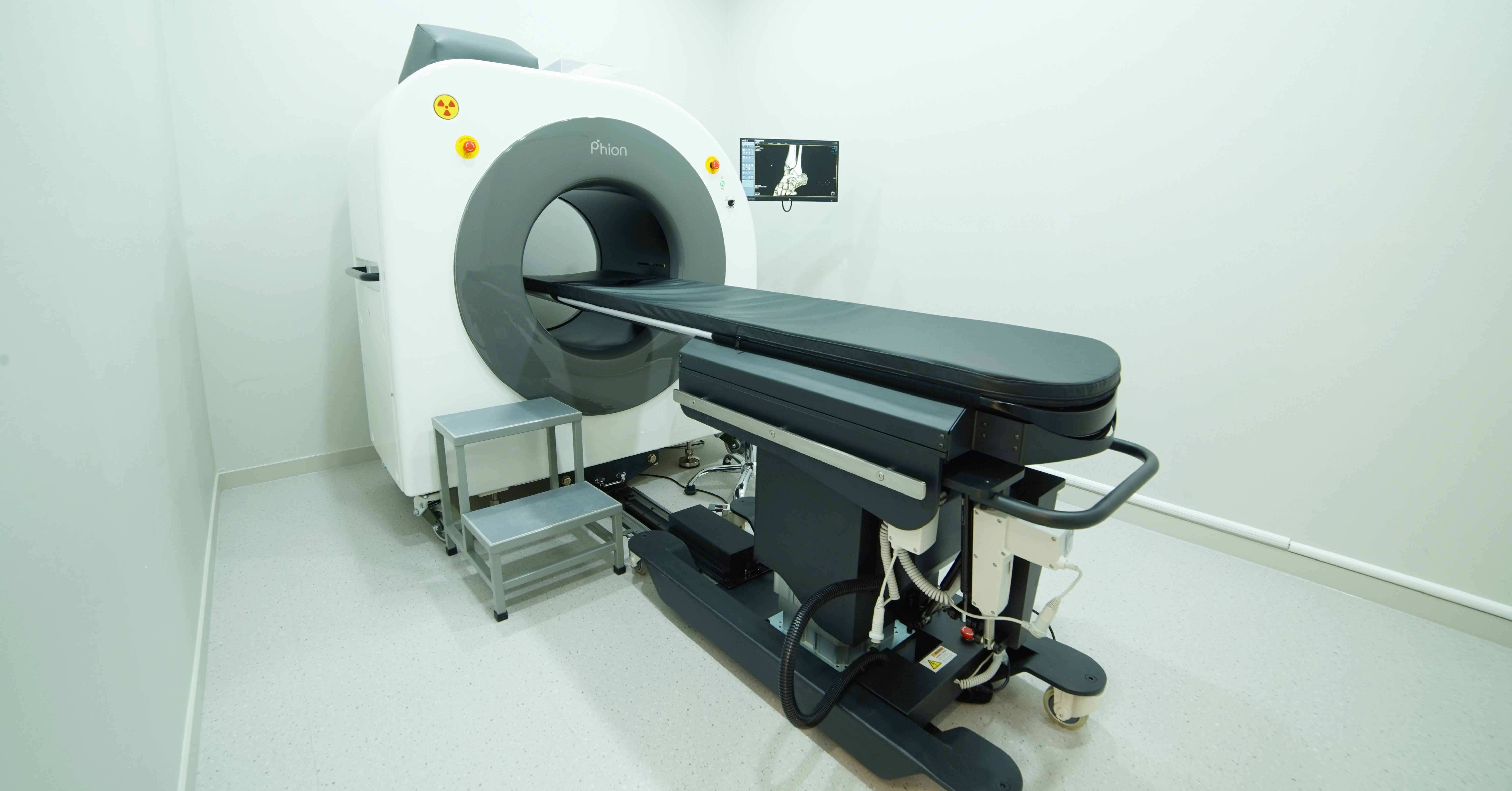
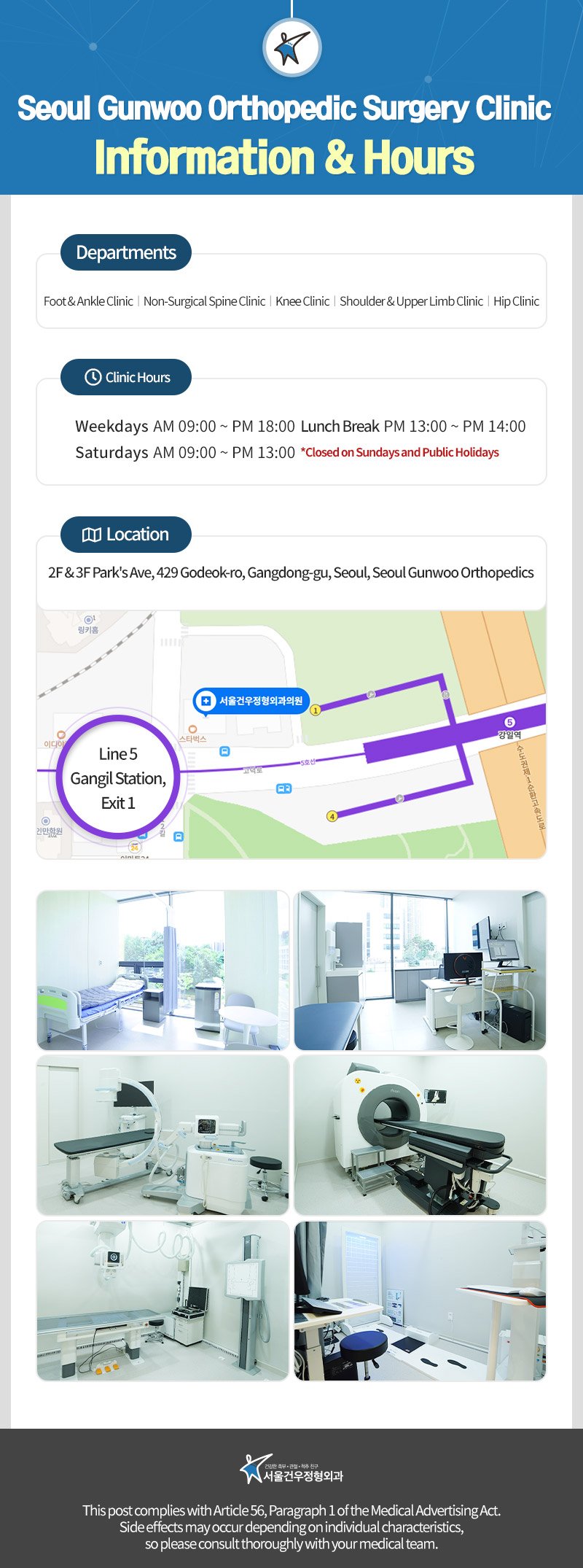
At Seoul Gunwoo Orthopedic Surgery Clinic, CT, ultrasound, gait analysis, and rehabilitation are available in the same building as operating and inpatient rooms. These facilities provide options for different parts of an orthopedic evaluation, although the appropriate tests depend on the individual case. Ask which assessments are relevant to your concern and what each one is intended to show. Bring a concise history of your symptoms, prior evaluations, and any treatments you have tried. Organized information can help make the consultation more focused, while the medical team determines what further assessment is needed.
A useful surgical evaluation begins by understanding symptoms and function, then relating them to examination findings. Facilities matter when they support that process, but the proposed plan should still be explained in terms of your individual needs.
Look for an explained treatment rationale
Before considering an operation, ask what the proposed treatment is intended to address and why it is being recommended in your case. The answer should be understandable and connected to your symptoms, examination, and goals. You should also be able to discuss whether observation or non-surgical management is reasonable. A recommendation is more useful when you understand both the expected purpose of treatment and the factors that could influence the decision. Avoid relying on a general promise or a procedure label without a clear explanation.
Use the consultation to ask about the nature of the proposed procedure, the planned care setting, and the follow-up process. If surgery is discussed, clarify what preparation is required, what recovery may involve, and which questions should be revisited before you decide. Individual circumstances affect clinical recommendations and recovery, so general descriptions cannot replace an assessment by the medical team. It is reasonable to request clarification when terminology is unfamiliar. A well-structured discussion should leave you with a clear understanding of the next step, whether that is further assessment, continued non-surgical care, or consideration of an operation.
Check the setting and practical support
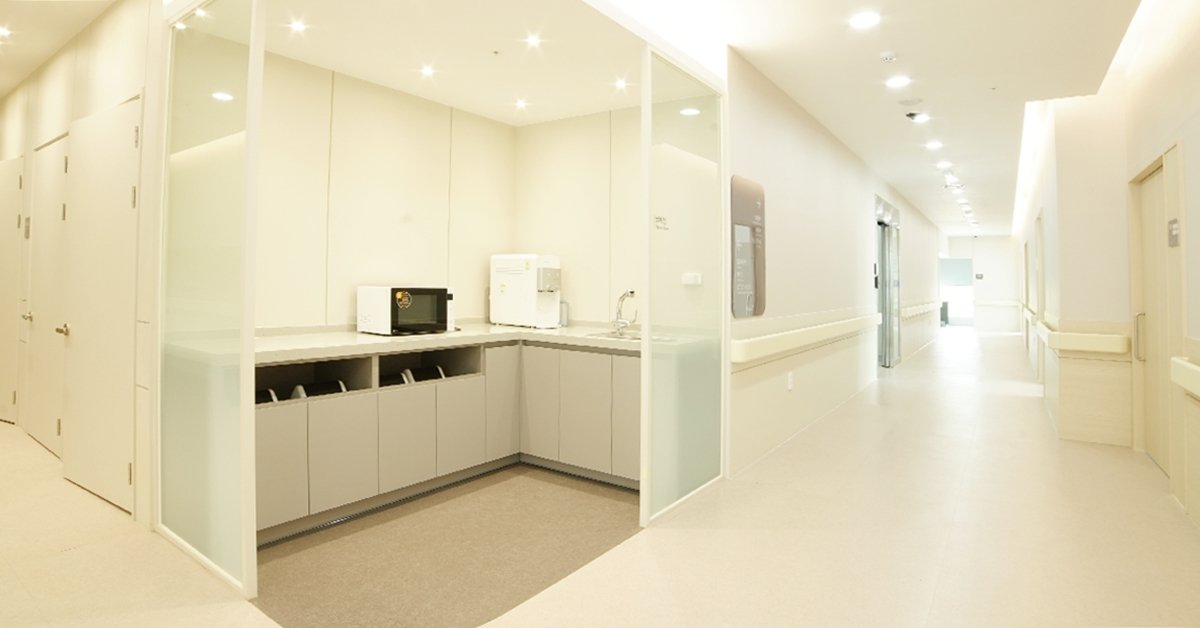
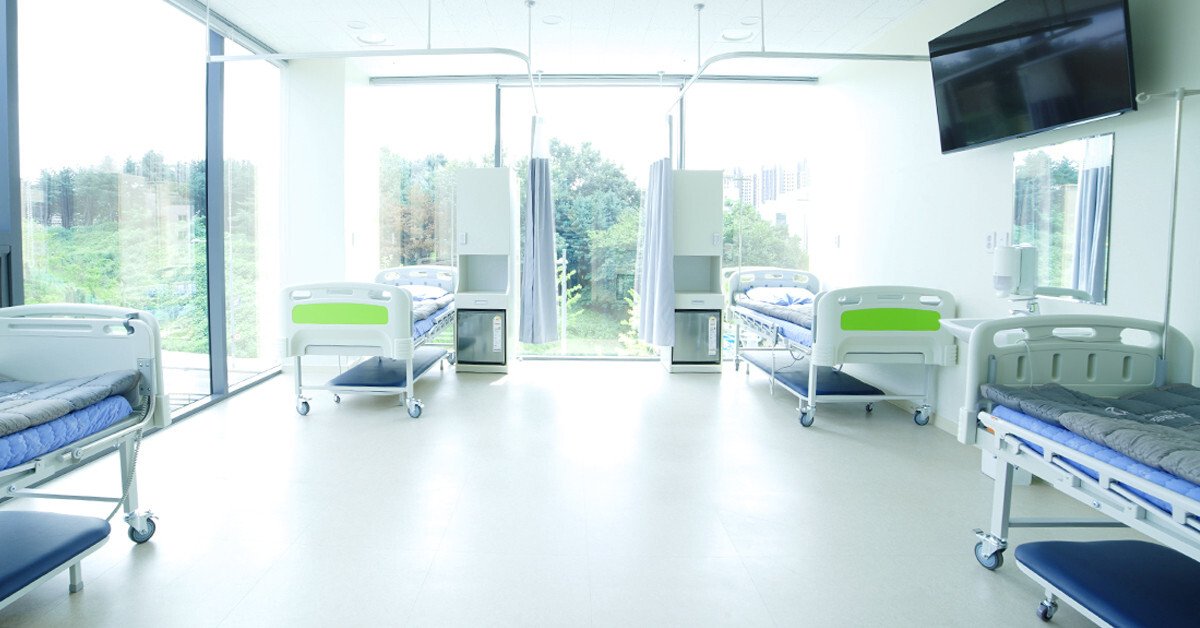
For a procedure that may involve an operation and inpatient care, it is practical to understand what facilities are available and how care is organized. Seoul Gunwoo Orthopedic Surgery Clinic has operating rooms and inpatient rooms in the same building, along with CT, ultrasound, gait analysis, and rehabilitation. This information helps you ask more specific questions about the care setting. It does not, by itself, establish which procedure is suitable or what an individual treatment plan will include.
Before booking, prepare questions about the assessment, any recommended imaging, and how the clinic handles communication with patients who prefer English. Contact the clinic in advance to confirm language support or interpretation; an English website does not confirm that an English-speaking clinician or interpreter will be available. You can also ask what records to bring and whether the consultation requires any preparation. Clear practical arrangements help you focus on the clinical discussion and reduce uncertainty about what to expect when you arrive.
| Listed item | Non-covered fee |
|---|---|
| Foot ultrasound | ₩80,000–140,000 |
| Ankle ultrasound | ₩80,000–140,000 |
| Gait analysis | ₩50,000 |
| Motion analysis | ₩70,000 |
| Dynamic plantar-pressure measurement | ₩100,000 |
| Motion analysis plus dynamic plantar-pressure measurement | ₩150,000 |
| Single-room surcharge | ₩200,000 |
| Twin-room surcharge | ₩100,000 |
| Special single-room surcharge | ₩250,000 |
| English medical certificate | ₩20,000 |
These listed fees are for the named non-covered items and room surcharges; they are not a bunion surgery package or a surgery quote. The fee for an assessment or treatment depends on the specific service involved. Ask which items apply to your visit and confirm the charges before proceeding. This distinction is important when comparing hospitals: a test fee, room surcharge, and surgical treatment fee refer to different things. Do not assume that a listed diagnostic charge covers an operation or other care.
Compare bunion surgery options in Seoul by care and facilities
Comparing options means looking at the full care pathway, not simply whether a facility has a particular piece of equipment. Consider how consultation, assessment, any proposed procedure, inpatient arrangements, and rehabilitation relate to one another. Seoul Gunwoo Orthopedic Surgery Clinic has operating rooms, inpatient rooms, CT, ultrasound, gait analysis, and rehabilitation in one building. These are relevant details to discuss when reviewing care arrangements. Ask how the available facilities relate to the evaluation and treatment recommended for your individual condition.
Ask how diagnostic tools fit the evaluation
Imaging and movement-related assessments serve different purposes, so it is useful to ask why a particular test is being considered. CT, ultrasound, gait analysis, and plantar-pressure measurement are available at Seoul Gunwoo Orthopedic Surgery Clinic. Their availability does not mean every patient needs each one. Ask what the recommended assessment is expected to clarify and how its findings could affect the treatment discussion. This helps keep testing connected to a clinical question rather than treating the presence of equipment as a measure of suitability.
During consultation, describe where you feel discomfort, when it occurs, and how it affects daily activities. Mention footwear concerns and any changes in walking that you have noticed. The medical team can decide whether examination alone is sufficient or whether imaging or movement analysis would be useful. If a test is recommended, ask what it involves and whether there are preparation steps. Understanding the purpose of each assessment makes it easier to discuss the results and to see how they inform a proposed plan. Bring prior imaging or records if available, and ask whether they can be reviewed as part of your visit.
Diagnostic tools are most useful when they answer a specific clinical question. Ask how each recommended test connects to your symptoms and how its findings may inform the treatment discussion.
Understand the relationship between surgery and recovery care
If an operation is being considered, ask how the care plan addresses the period after the procedure as well as the procedure itself. Seoul Gunwoo Orthopedic Surgery Clinic has inpatient rooms and rehabilitation in the same building as its operating rooms. Ask what follow-up and rehabilitation arrangements may apply to your case, and how the medical team will explain activity guidance. Recovery planning should be discussed as part of the treatment decision, with expectations based on your specific situation rather than a generic timetable.
Changes after treatment may take time depending on individual condition, and personal recovery experiences differ. Before deciding, ask what milestones the medical team will use to review progress and what symptoms should prompt contact with the clinic. Clarify how follow-up visits are arranged and whether rehabilitation is recommended. These questions help you understand what ongoing care may involve without assuming that one timeline or outcome applies to everyone. A clear discussion should cover both the proposed intervention and the practical steps that follow it. If anything remains unclear, ask for the explanation in plain language before making a decision.
Compare listed charges without confusing them with surgery fees
When reviewing costs, separate diagnostic fees and room surcharges from the cost of an operation. The clinic lists non-covered charges for foot and ankle ultrasound, gait analysis, motion analysis, and dynamic plantar-pressure measurement, as well as surcharges for certain room types. Those amounts relate only to the named items. They should not be interpreted as a price for bunion surgery. Ask which services are relevant to your care and what charges apply to the treatment being considered.
A written list of questions can make a cost discussion more precise. Ask whether a proposed test is necessary for your evaluation, whether it is covered, and what it costs if it is non-covered. If inpatient care is discussed, clarify whether a room surcharge applies and which room type is involved. A quoted amount for a particular test or room should not be treated as a total care estimate. Confirm the scope of each charge before comparing options, so you are assessing equivalent services rather than unrelated line items.
Published non-covered fees include foot or ankle ultrasound at ₩80,000–140,000, gait analysis at ₩50,000, motion analysis at ₩70,000, and dynamic plantar-pressure measurement at ₩100,000. A combined motion-analysis and dynamic plantar-pressure measurement is listed at ₩150,000. Room surcharges and the English medical certificate have separate listed fees. These figures apply to the specific services named and do not represent the cost of surgery. Ask the clinic which charges relate to your proposed care.
Plan a consultation about bunion surgery in Seoul
A productive consultation helps you understand the condition, the options under consideration, and what information is still needed to make a decision. Prepare a short description of your symptoms and the questions most important to you, including how the condition affects walking or footwear. Seoul Gunwoo Orthopedic Surgery Clinic is located in Gangdong-gu and has diagnostic, operating, inpatient, and rehabilitation facilities in one building. Contact the clinic before booking to confirm language support or interpretation and to ask what records to bring.
Prepare useful information before you visit
Before an appointment, note when your symptoms began, what activities affect them, and whether they have changed over time. Bring any relevant medical records or imaging that you already have, and make a list of treatments or footwear changes you have tried. These details help the medical team understand the context of your concern. If you have specific goals, such as improving comfort during walking, explain them directly. A focused history can make it easier to discuss which questions an assessment should answer.
You do not need to decide in advance that surgery is the right option. Instead, use the visit to understand the findings, ask what alternatives may be appropriate, and learn what factors would guide a recommendation. If an operation is proposed, ask for an explanation of its purpose, preparation, care setting, and follow-up. Confirm whether any diagnostic tests are recommended and what they cost. A consultation is also an opportunity to discuss communication needs, including interpretation. These steps can help you make an informed decision at a pace that allows you to understand the options.
Preparation is about making the consultation specific to your symptoms and priorities, not arriving with a decision already made. Bring relevant records, ask direct questions, and clarify communication and cost details before proceeding.
Confirm communication and appointment arrangements
Contact Seoul Gunwoo Orthopedic Surgery Clinic before booking if you need English-language support or interpretation. An English website does not confirm that an English-speaking clinician or interpreter will be available. Ask how to arrange communication for the consultation and what information the clinic needs when you make an inquiry. It is also helpful to ask which records to bring and whether any preparation is recommended. Confirming these details in advance can help you plan the visit more effectively.
If you are comparing treatment options, take notes during the consultation or bring someone who can help you remember the discussion, if appropriate. Ask the medical team to explain unfamiliar terms and to distinguish findings from recommendations. If you are given a plan, make sure you understand the next steps, any proposed tests, and how follow-up will be handled. Clear communication is especially important when discussing a possible operation, since a decision should reflect your circumstances and preferences. Do not rely on assumptions about language support; confirm the arrangements directly with the clinic.
Use location and contact details to plan your visit
Seoul Gunwoo Orthopedic Surgery Clinic is at 2F-3F, 429, Godeok-ro, Gangdong-gu, Seoul, Republic of Korea, in front of Gangil Station Exit 1. Keep the full address available when planning your route. If you have accessibility or arrival questions, contact the clinic in advance rather than assuming that a particular arrangement is available. Confirming the appointment details directly can help ensure that you know where to go and what information to bring.
For booking or consultation inquiries, call Seoul Gunwoo Orthopedic Surgery Clinic at 02-426-9876. If you need language support, raise that request before arranging the appointment. You can also ask which diagnostic services are relevant to your concern and whether there are fees for any recommended non-covered tests. Use the consultation to clarify the clinical plan, practical arrangements, and applicable charges before making a decision about treatment.
When you contact the clinic, have your main questions ready: whether an assessment is appropriate for your concern, what records to bring, and how language support can be arranged. If a test is suggested, ask its purpose and applicable fee. If surgery is discussed, request a clear explanation of the proposed plan and follow-up. This preparation keeps the conversation focused on your needs without treating general information as a personal recommendation. The clinic’s address and phone number can help you plan the visit and make direct inquiries.
Frequently Asked Questions
Q.What kind of place is Seoul Gunwoo Orthopedic Surgery Clinic?
A.Seoul Gunwoo Orthopedic Surgery Clinic is an orthopedic clinic in Gangdong-gu, Seoul. Its building includes operating rooms, inpatient rooms, CT, ultrasound, gait analysis, and rehabilitation.
Q.Who should consider a consultation about a bunion?
A.People concerned about a bunion, foot discomfort, or changes that affect walking can ask the clinic about an orthopedic assessment. The medical team can discuss whether further evaluation or treatment is appropriate for the individual case.
Q.What should I ask about bunion treatment?
A.Ask how the medical team evaluates your foot, what any recommended tests are intended to clarify, and why a particular treatment is being considered. If surgery is discussed, ask about the proposed care setting and follow-up.
Q.How much does bunion surgery cost at Seoul Gunwoo Orthopedic Surgery Clinic?
A.Listed non-covered fees include foot or ankle ultrasound at ₩80,000–140,000 and gait analysis at ₩50,000; these are not surgery prices. Ask the clinic which charges apply to your proposed care.
Q.Where is Seoul Gunwoo Orthopedic Surgery Clinic, and how can I contact it?
A.The clinic is at 2F-3F, 429, Godeok-ro, Gangdong-gu, Seoul, Republic of Korea, in front of Gangil Station Exit 1. Call 02-426-9876, and contact the clinic before booking to confirm language support or interpretation.
Clinic Information
| Clinic | Seoul Gunwoo Orthopedic Surgery Clinic |
|---|---|
| Specialty | Orthopedics |
| Address | 2F-3F, 429, Godeok-ro, Gangdong-gu, Seoul, Republic of Korea |
| Phone | 02-426-9876 |
| Website | https://seoulfoot.sillajewelry.com |
| Specialist | Specialist care |
 Seoul Gunwoo Orthopedic Surgery Clinic